
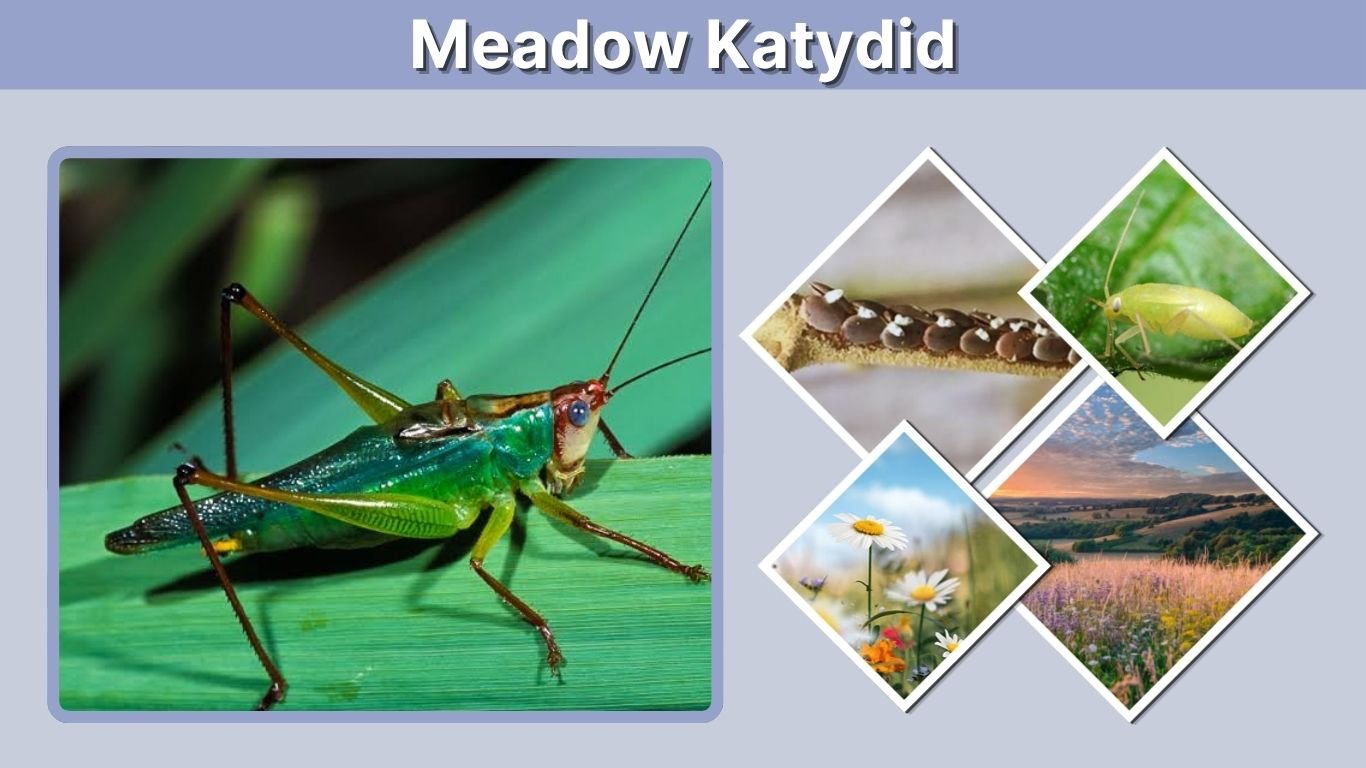
Meadow Katydid: Identification, Sound, Diet & Facts
The meadow katydid is a slender, long-antennaed insect commonly found among grasses, sedges, shrubs, and other low vegetation. These katydids are best known for their … Read More
The meadow katydid is a slender, long-antennaed insect commonly found among grasses, sedges, shrubs, and other low vegetation. These katydids are best known for their … Read More
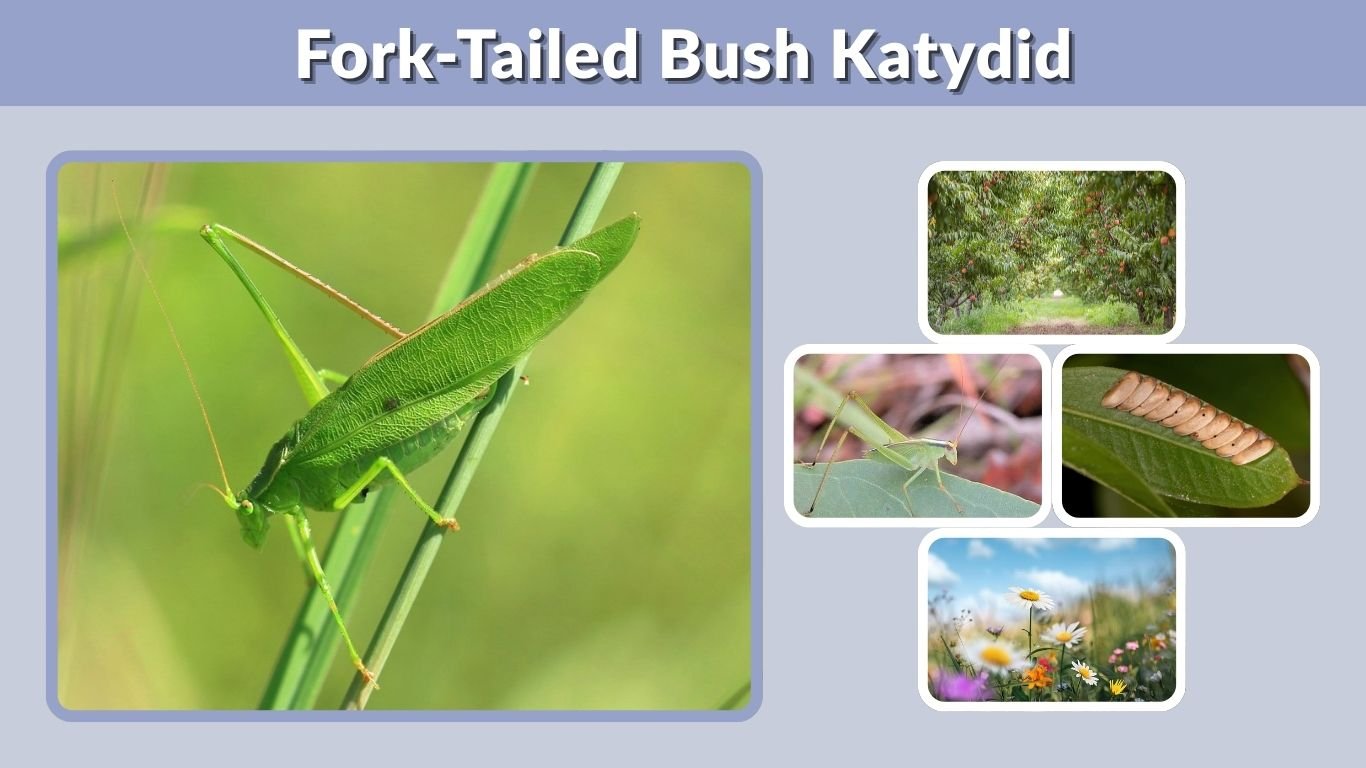
The fork-tailed bush katydid is a slender green insect commonly found among shrubs, trees, gardens, and woodland vegetation across much of North America. Scientifically known … Read More
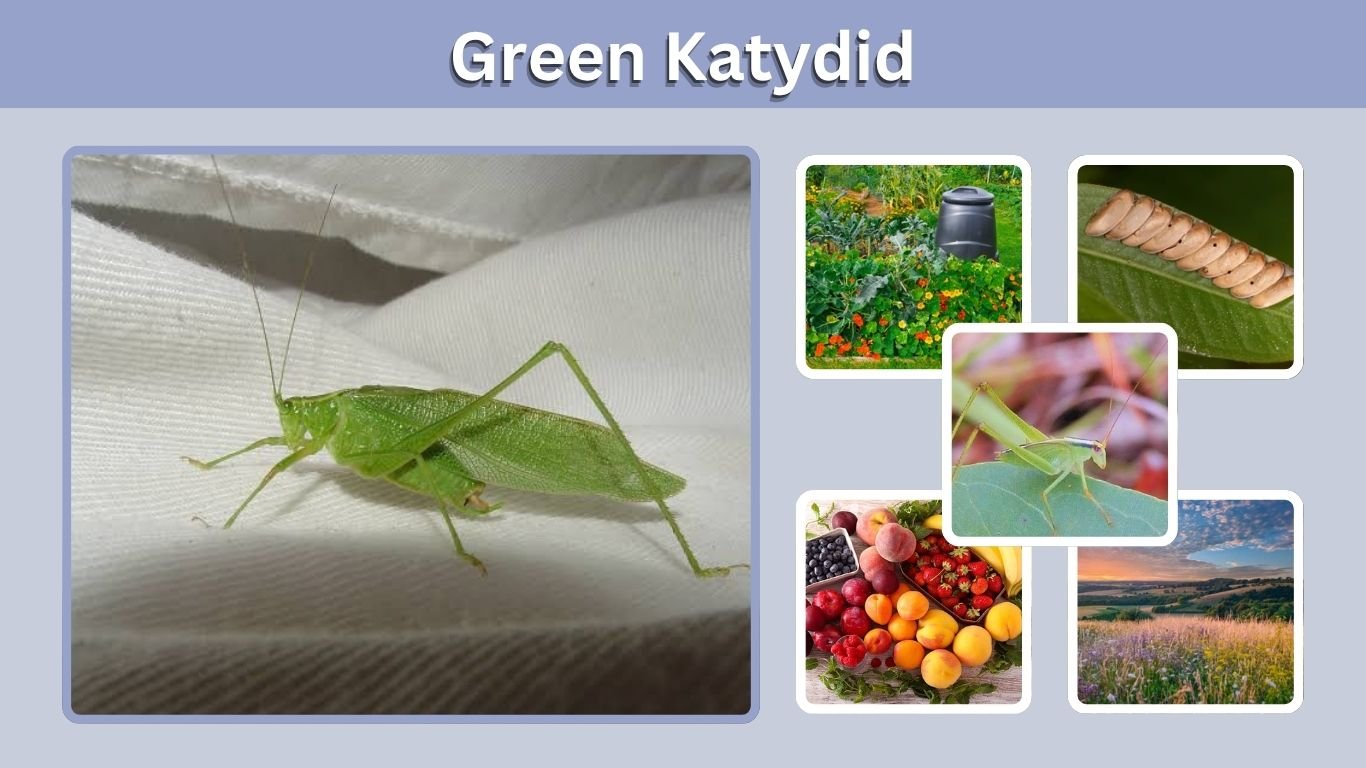
The green katydid is a leaf-like insect known for its bright green body, extremely long antennae, powerful hind legs, and distinctive nighttime calls. Katydids belong … Read More
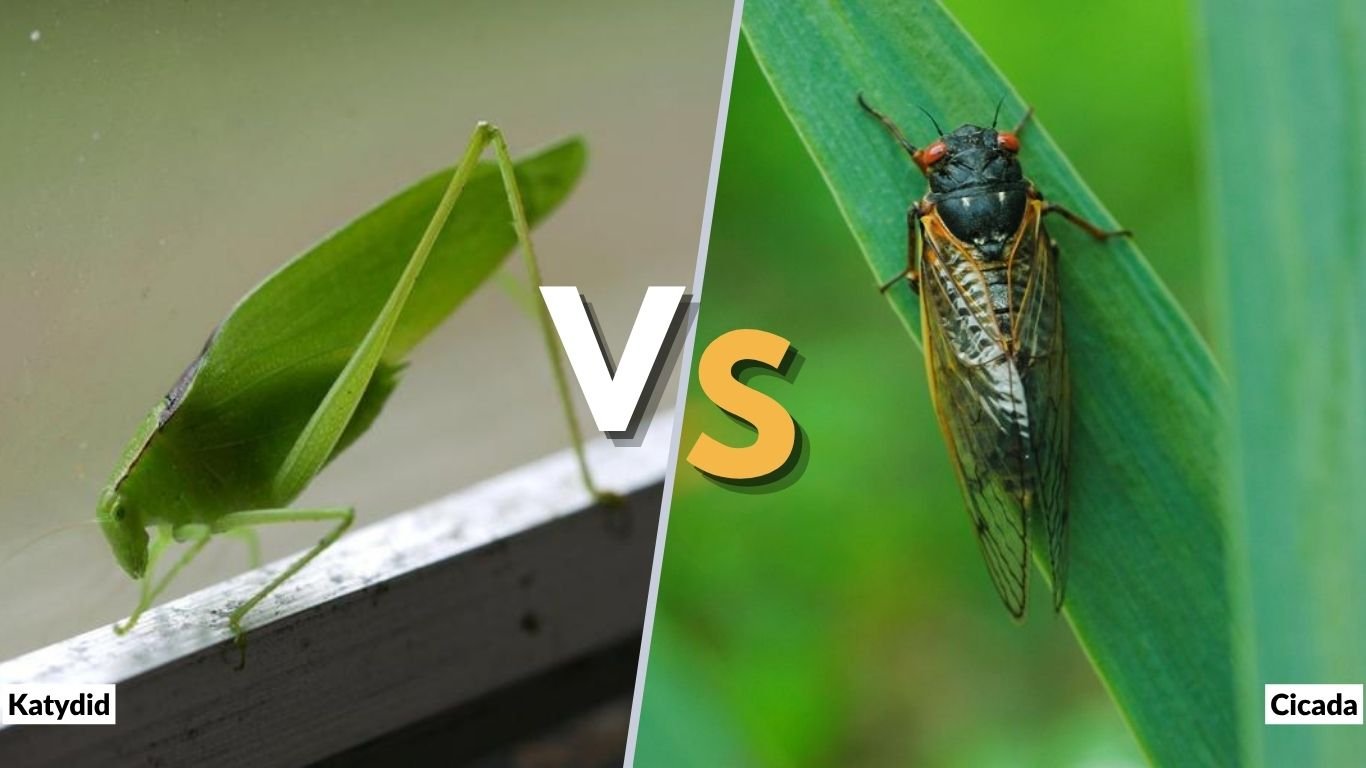
Katydids and cicadas are both famous for their loud summer sounds, but they are very different insects. Katydids belong to the family Tettigoniidae and are … Read More
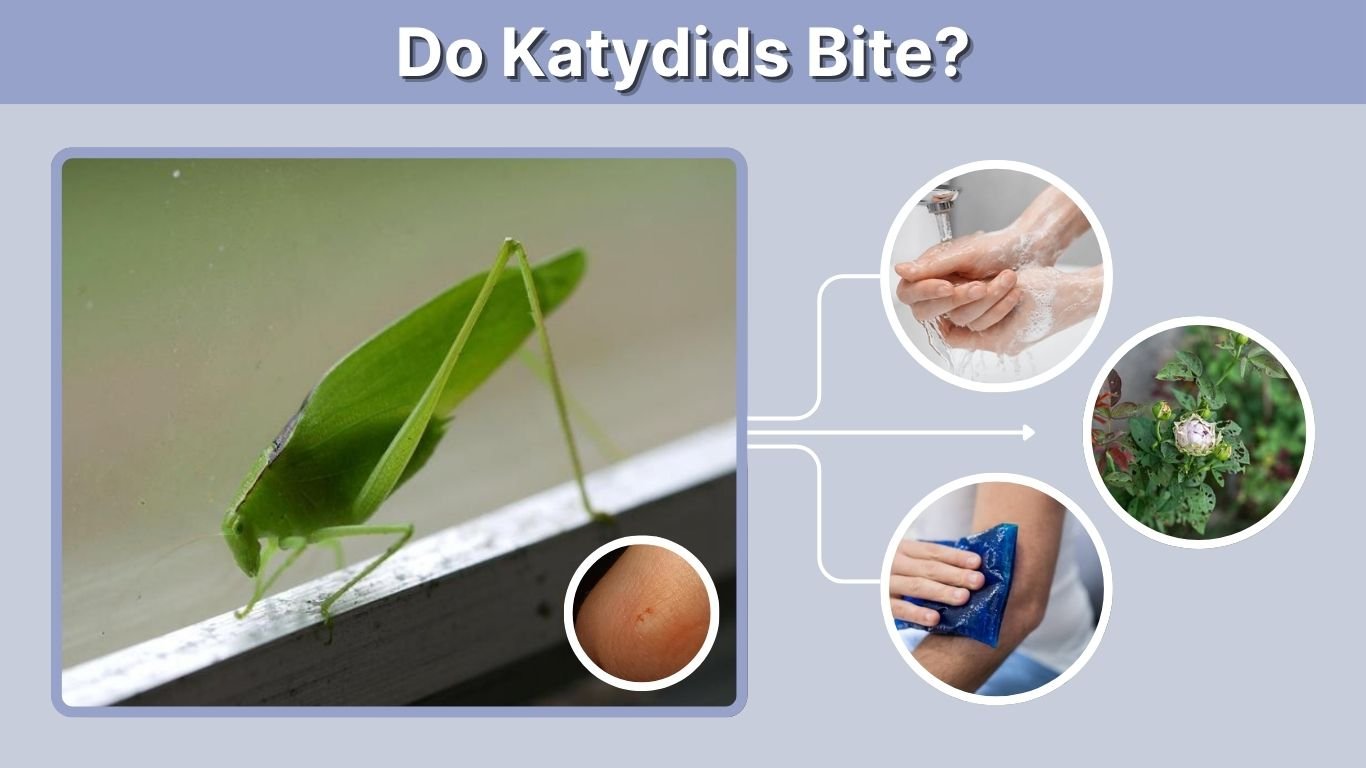
Katydids can bite humans, but bites are uncommon and usually happen only when the insect is handled, trapped, or feels threatened. These long-legged insects have … Read More
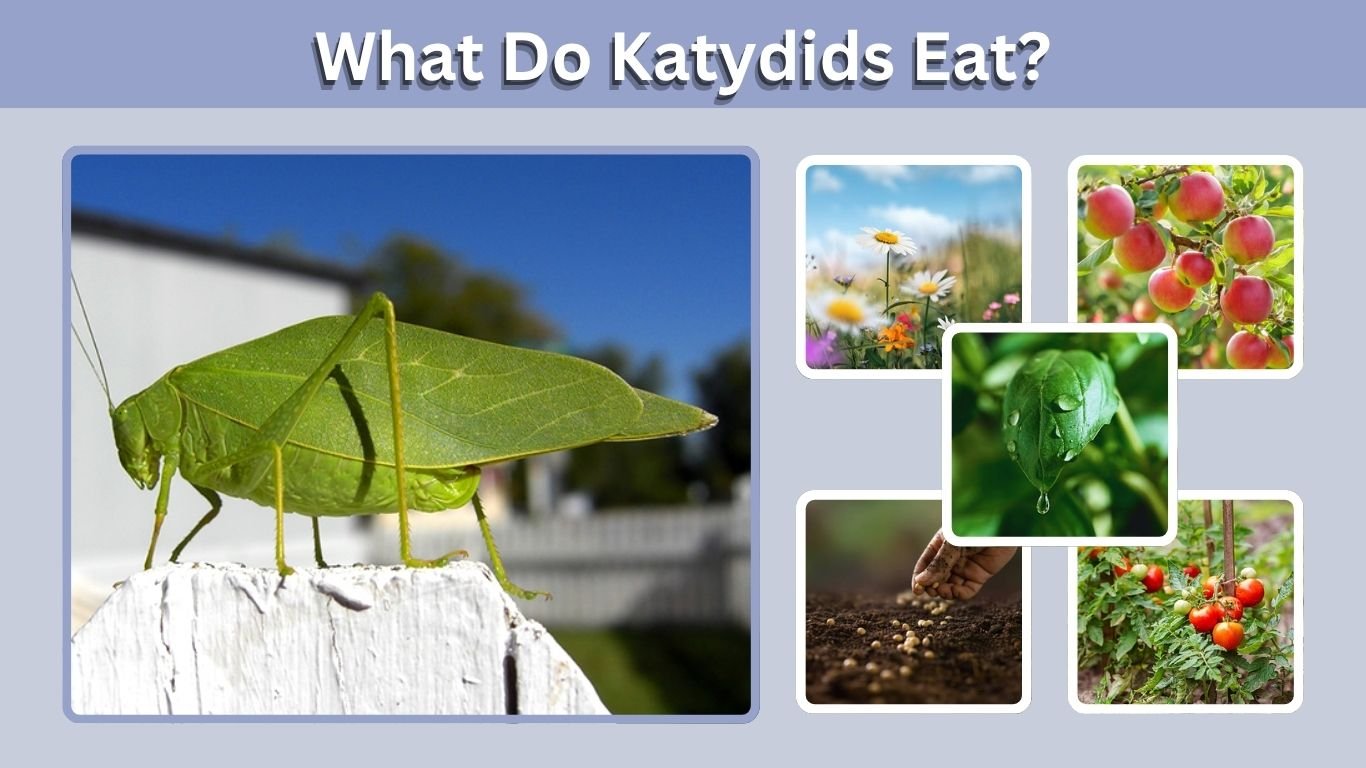
Katydids eat a surprisingly varied diet that can include leaves, grasses, flowers, fruits, seeds, and even other insects. Most species are primarily herbivorous, but some … Read More
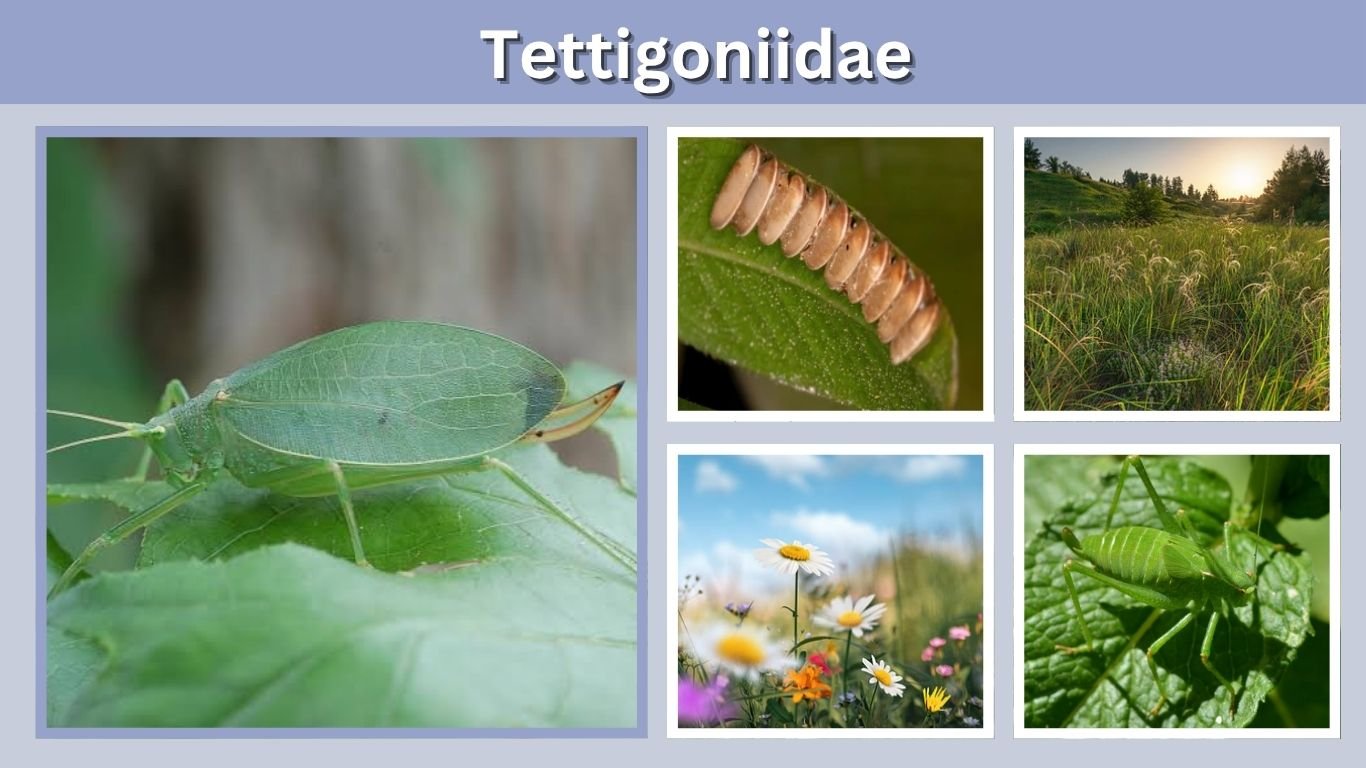
Tettigoniidae is the insect family that includes katydids, bush crickets, and many closely related long-horned orthopterans. These insects are famous for their extremely long antennae, … Read More
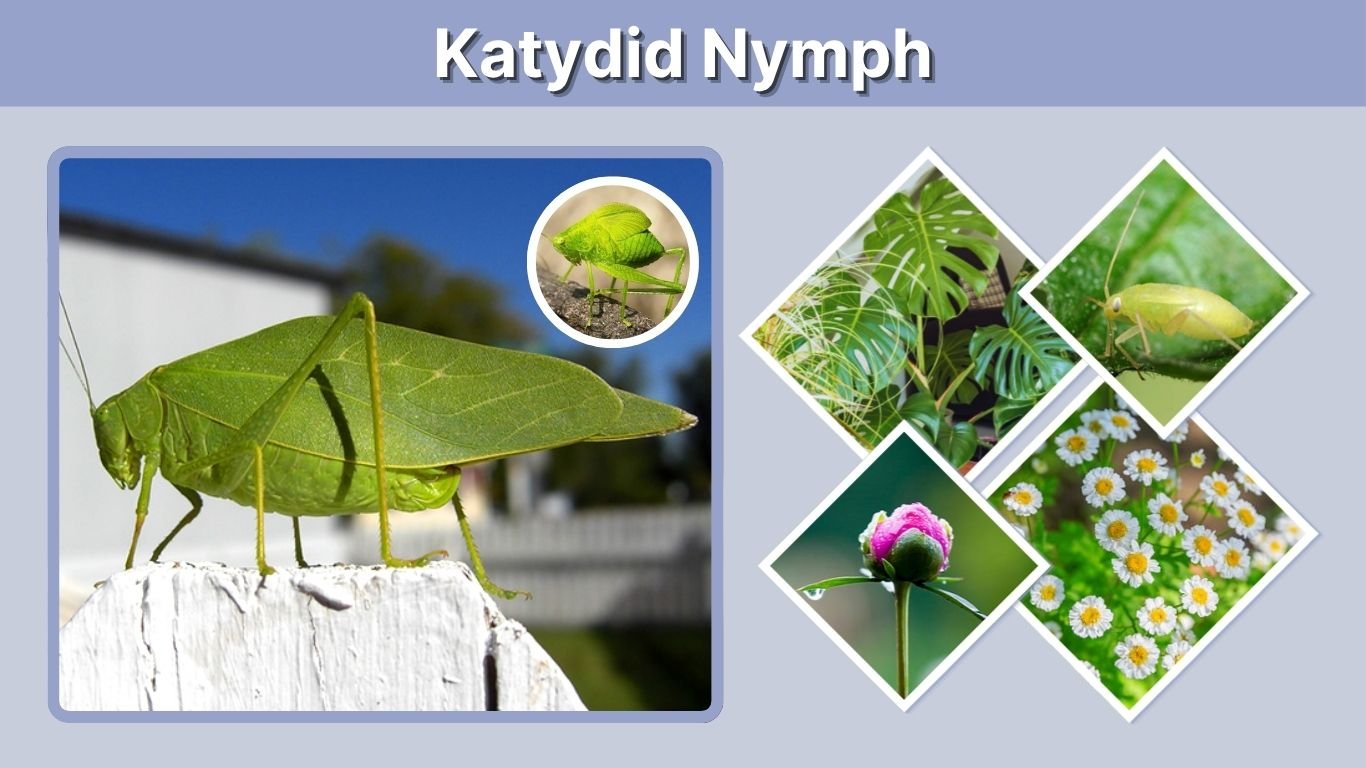
A katydid nymph is the immature stage of a katydid before it develops into a fully winged adult. Nymphs often resemble miniature adults but have … Read More
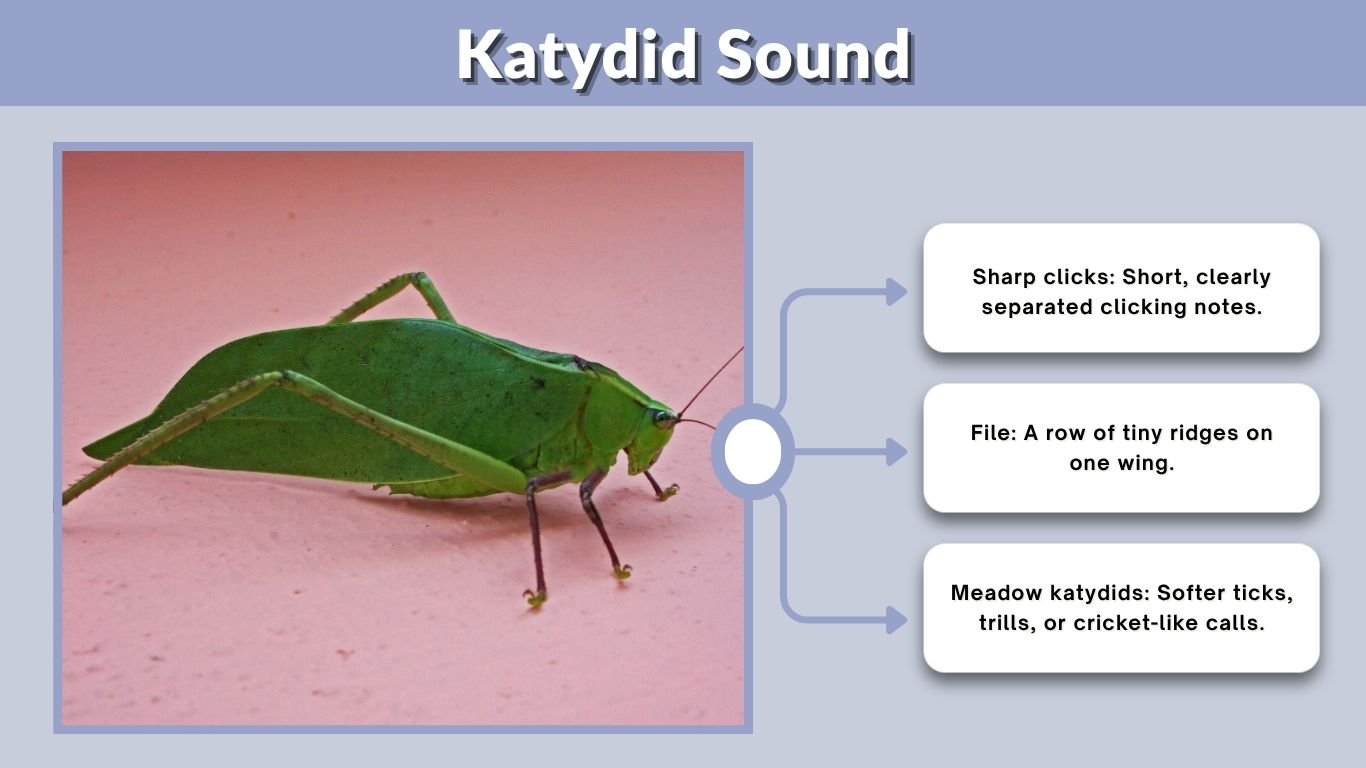
Katydid sounds are among the most recognizable noises of warm summer evenings. Depending on the species, a katydid may produce sharp clicks, rhythmic chirps, buzzing … Read More
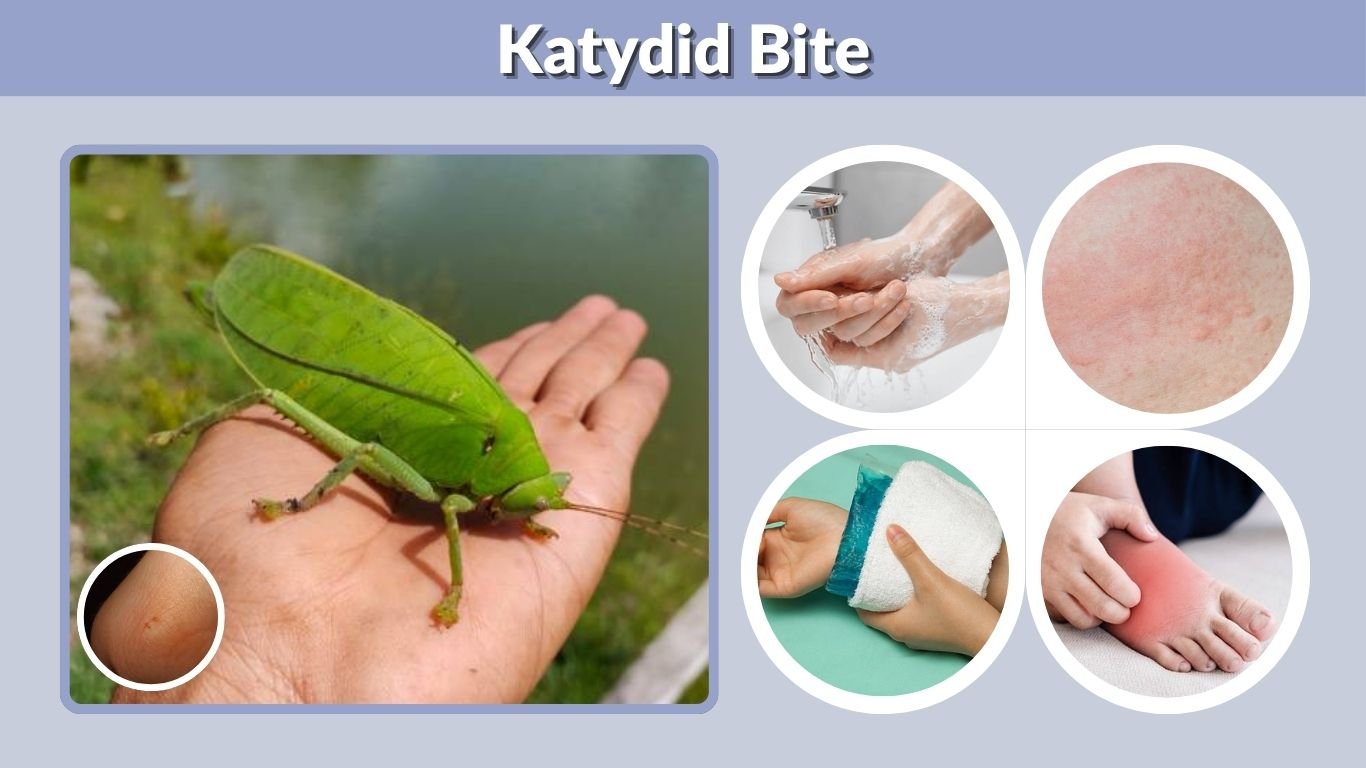
A katydid bite is usually harmless, but these insects can occasionally nip humans when handled, trapped, or threatened. Katydids have strong chewing mouthparts designed mainly … Read More