
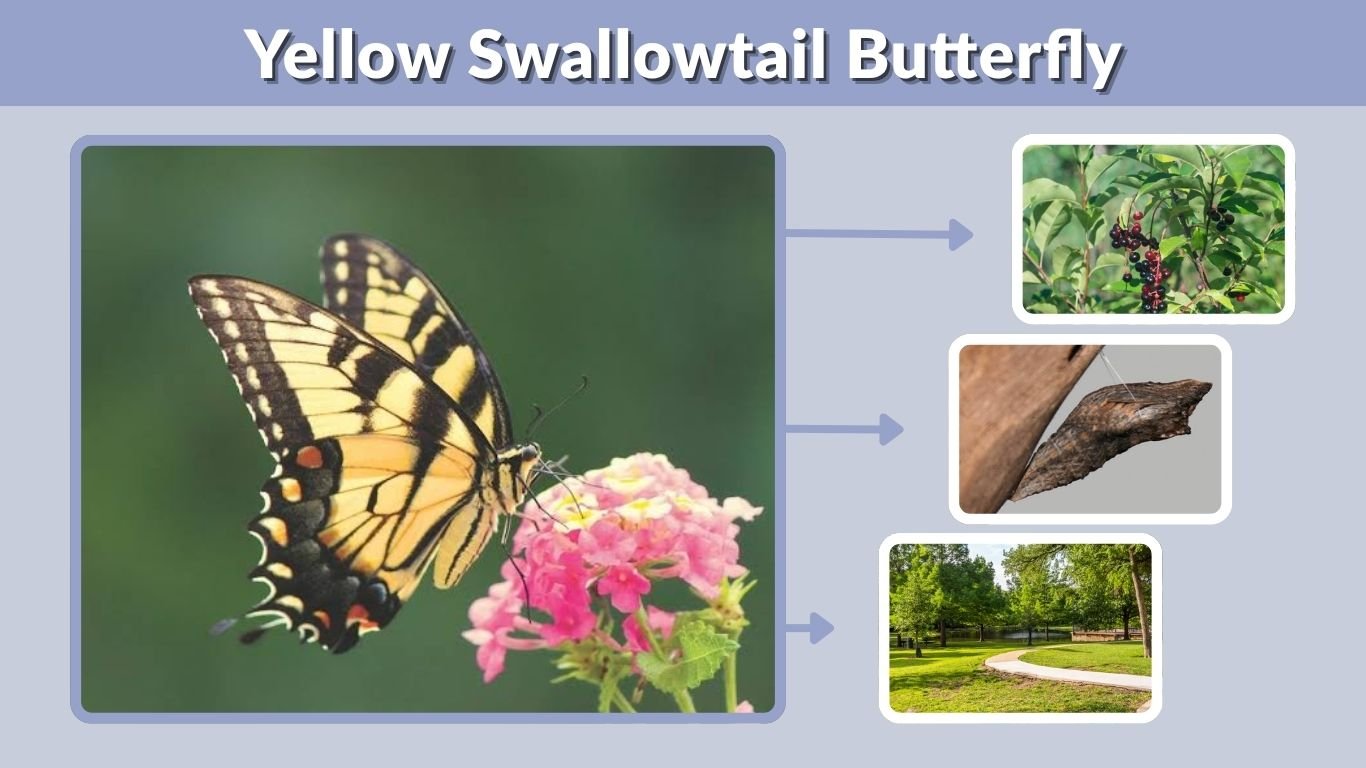
Yellow Swallowtail Butterfly: ID, Caterpillar & Host Plants
The yellow swallowtail butterfly is recognized by its bright yellow wings, bold black markings, and distinctive tail-like extensions on the hindwings. The name is commonly … Read More
The yellow swallowtail butterfly is recognized by its bright yellow wings, bold black markings, and distinctive tail-like extensions on the hindwings. The name is commonly … Read More
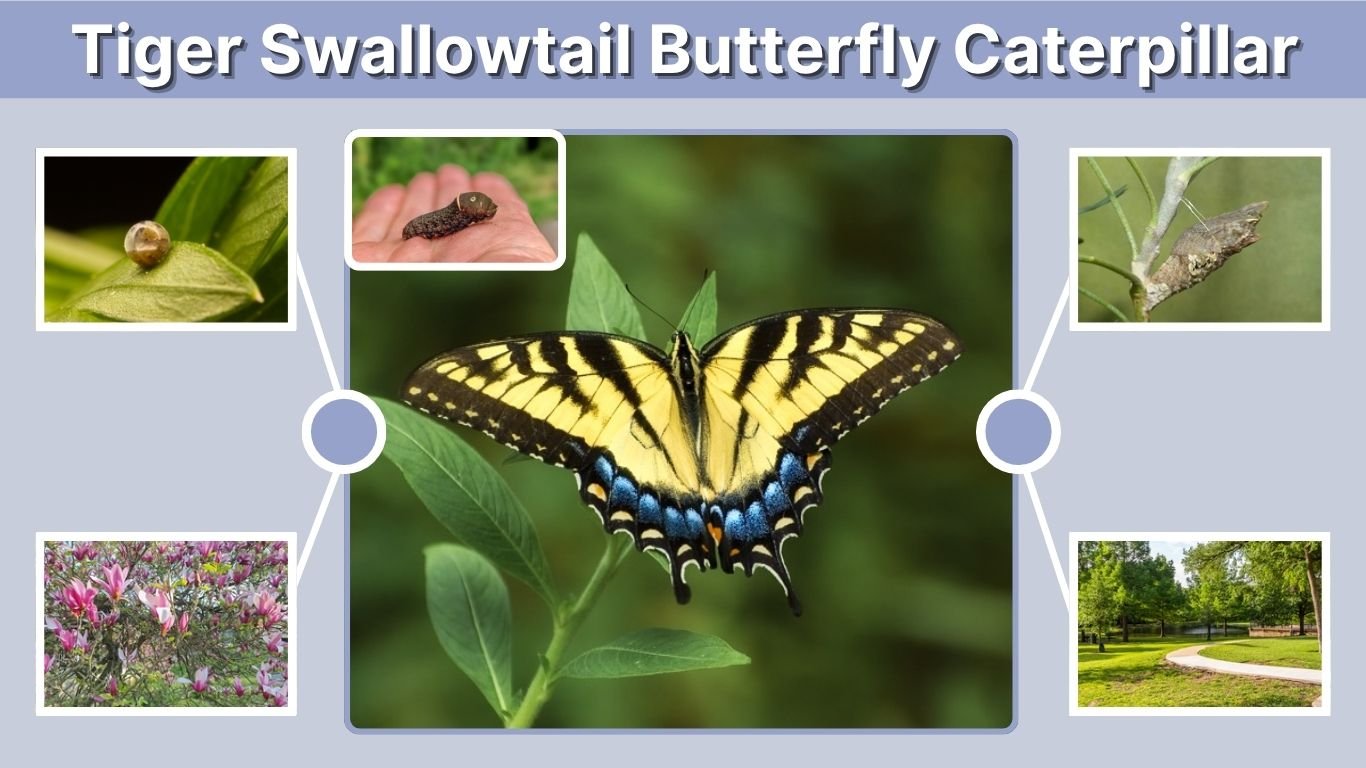
The tiger swallowtail butterfly caterpillar is a fascinating larval stage known for its green body, large false eyespots, and remarkable camouflage. Depending on the species, … Read More
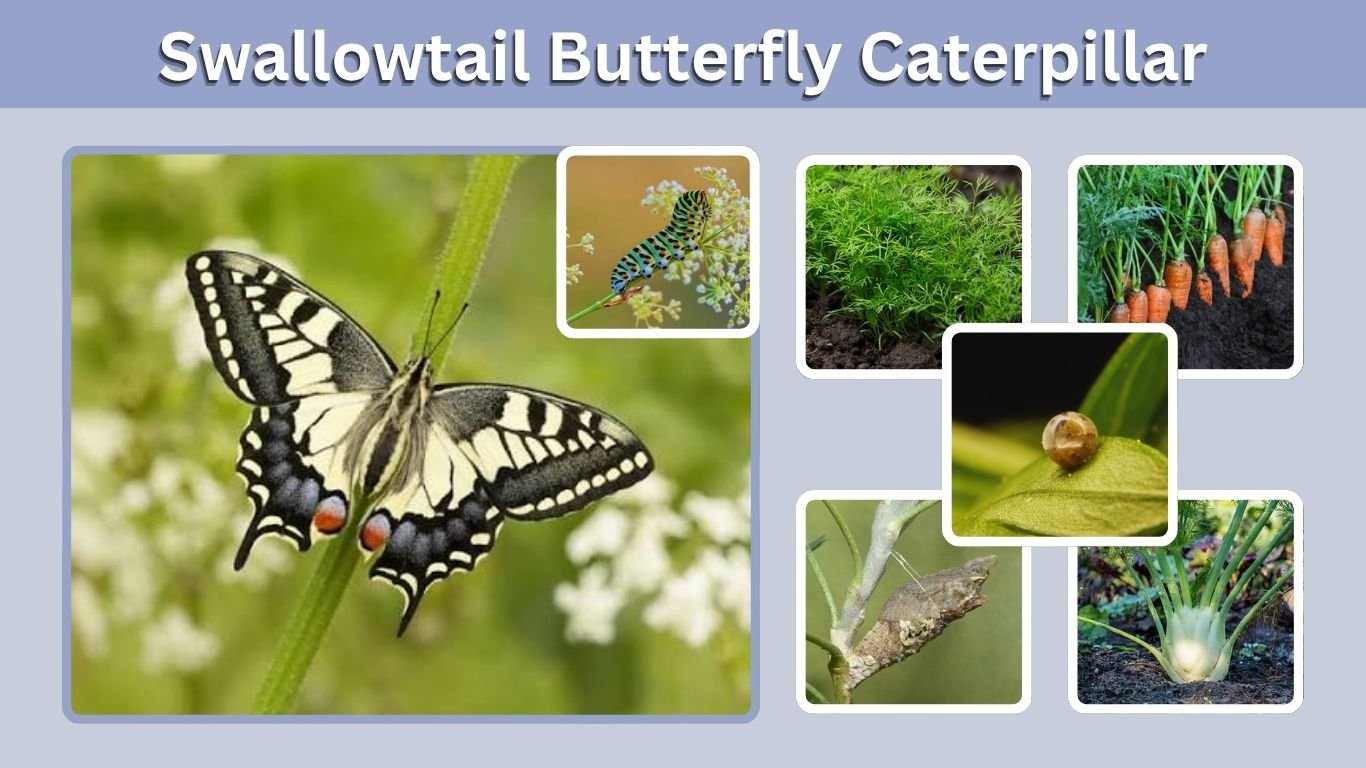
A swallowtail butterfly caterpillar can look surprisingly different depending on its species and stage of development. Some are bright green with colorful spots, while others … Read More
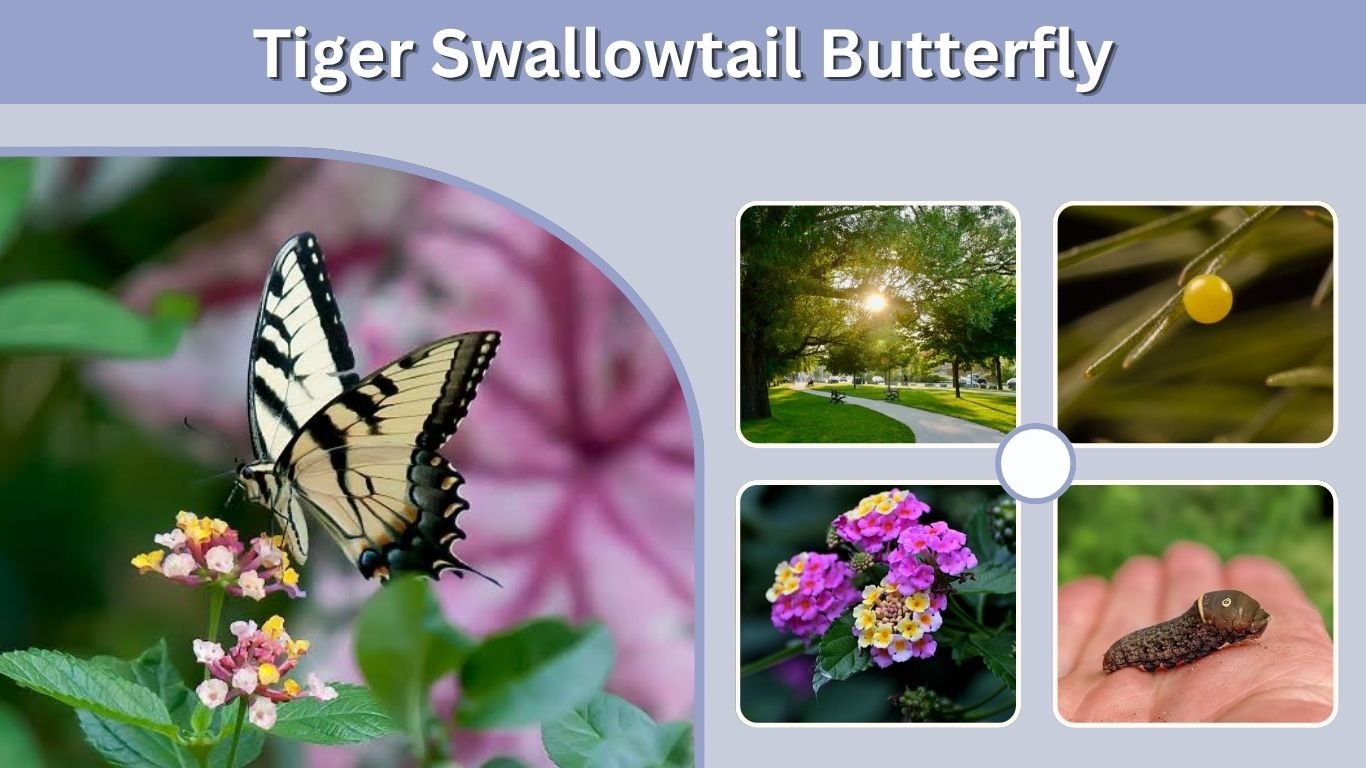
The Tiger Swallowtail butterfly is one of North America’s most recognizable butterflies, famous for its large yellow wings crossed by bold black tiger-like stripes. Several … Read More
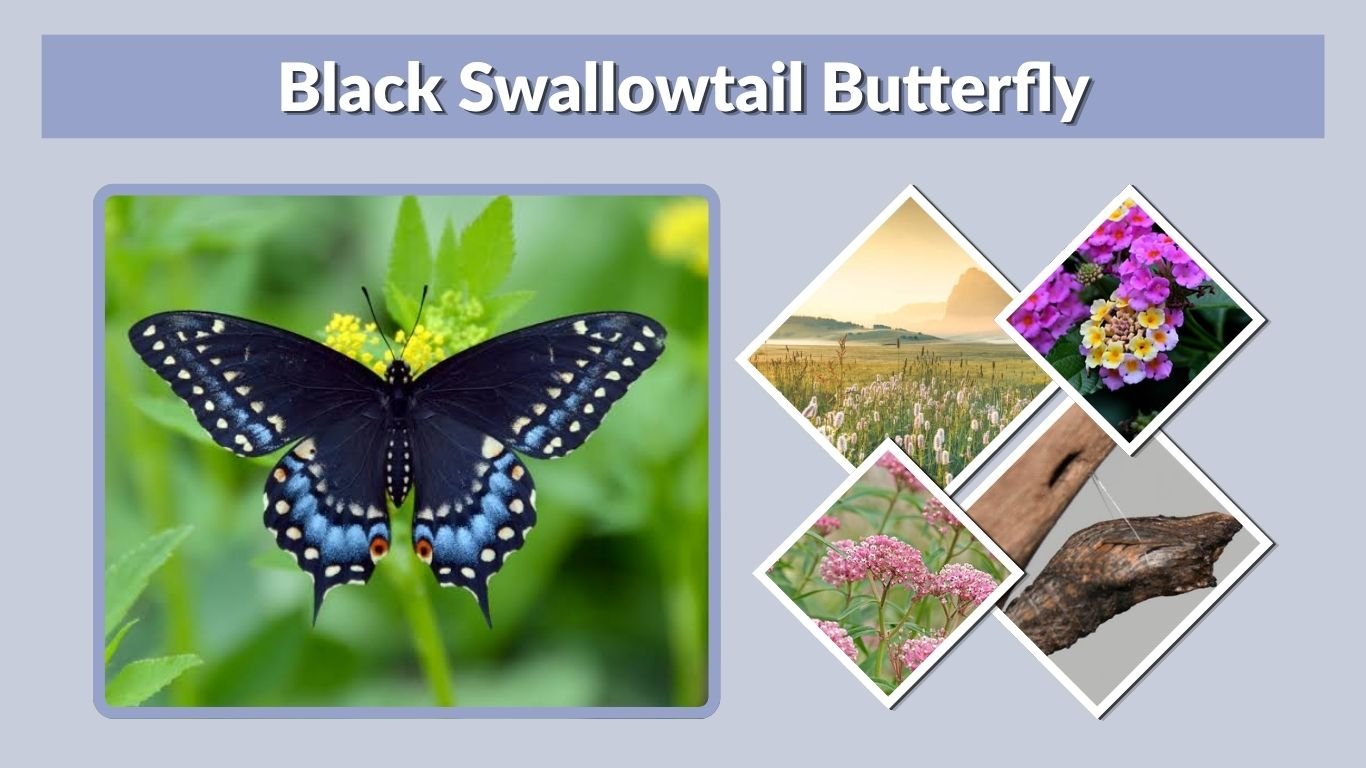
The Black Swallowtail butterfly is a striking North American species known for its dark wings, colorful spots, and distinctive tail-like hindwings. Often seen in gardens, … Read More
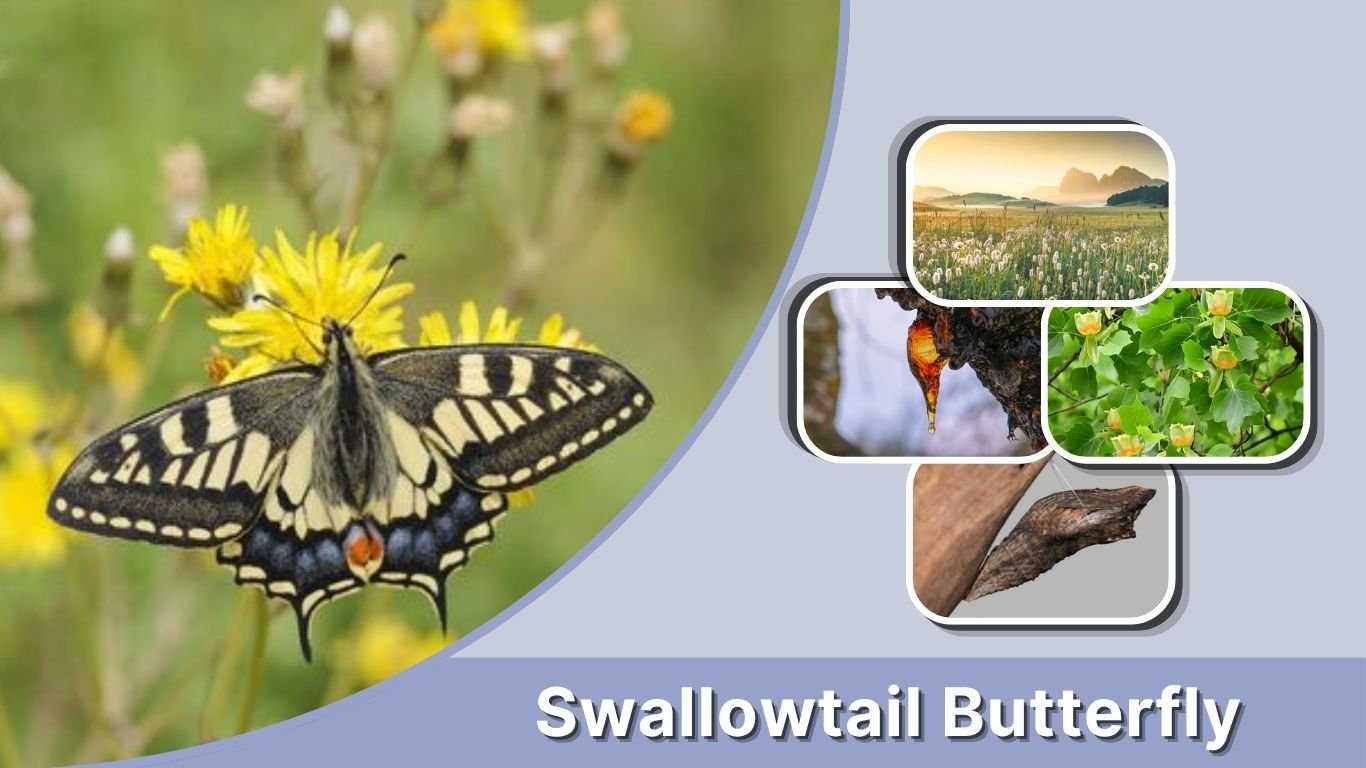
Swallowtail butterflies are among the most recognizable butterflies in the world, known for their large wings, striking colors, and tail-like extensions on the hindwings of … Read More

Bees can become a serious problem when they build nests around patios, decks, sheds, rooflines, wooden structures, or other frequently used areas. The best bee … Read More
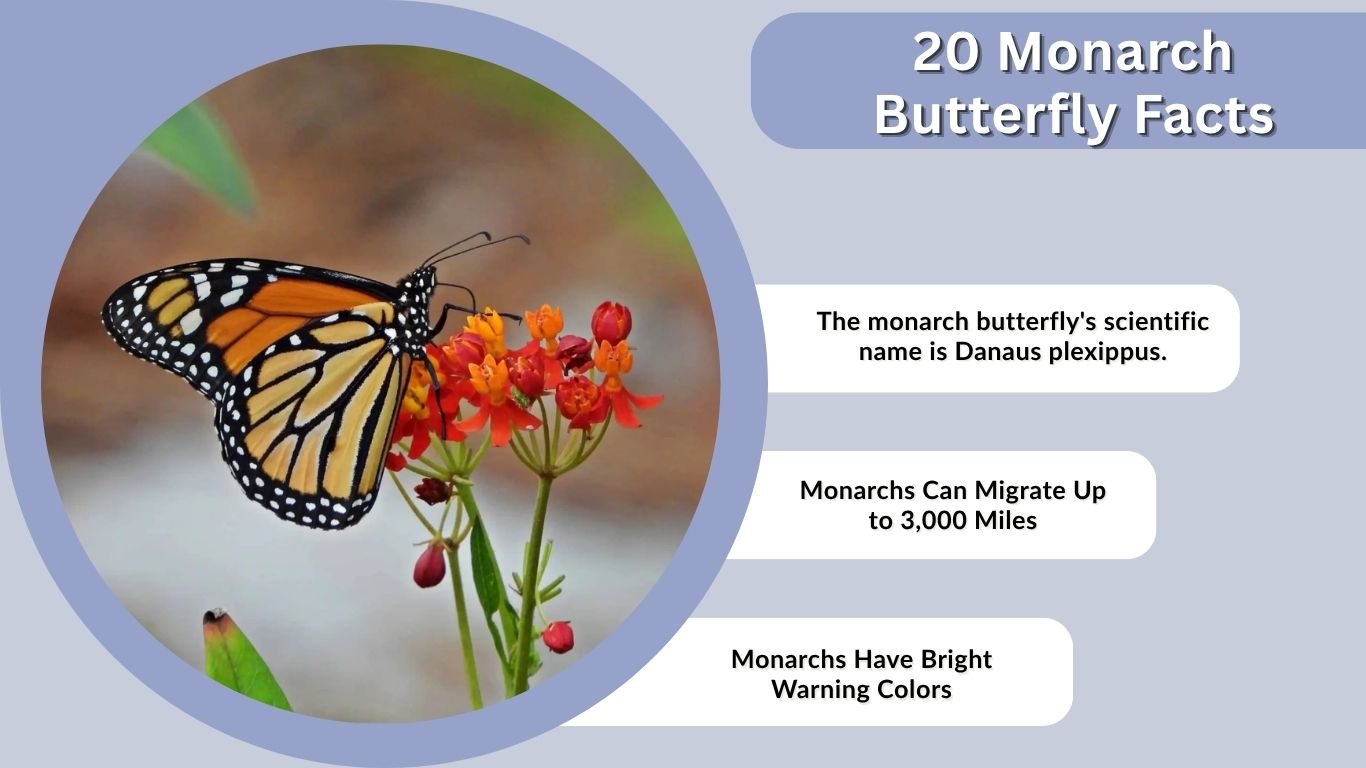
Monarch butterflies are famous for their brilliant orange wings, remarkable migration, and close relationship with milkweed. But there is much more to these insects than … Read More
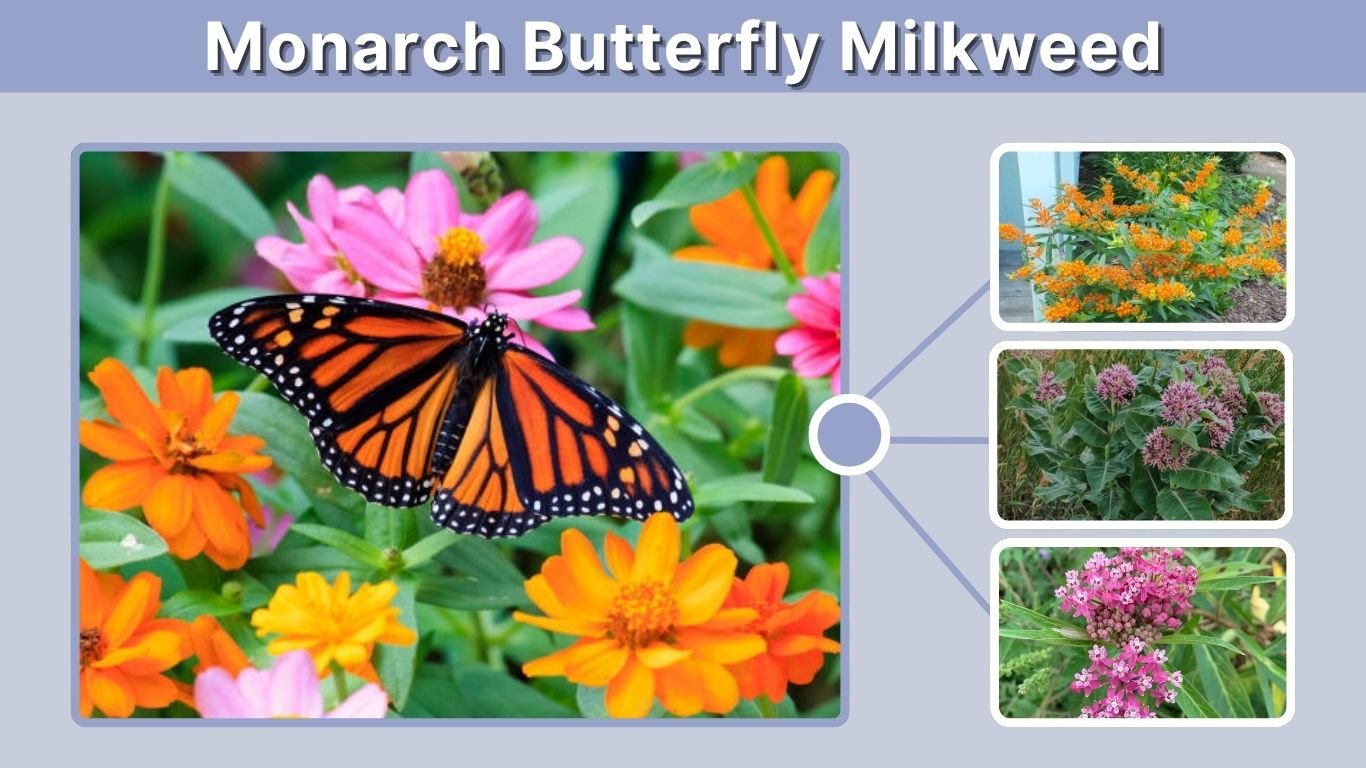
Monarch butterfly milkweed has one of the most important plant–insect relationships in North America. Female monarchs seek milkweed when laying eggs because their caterpillars depend … Read More
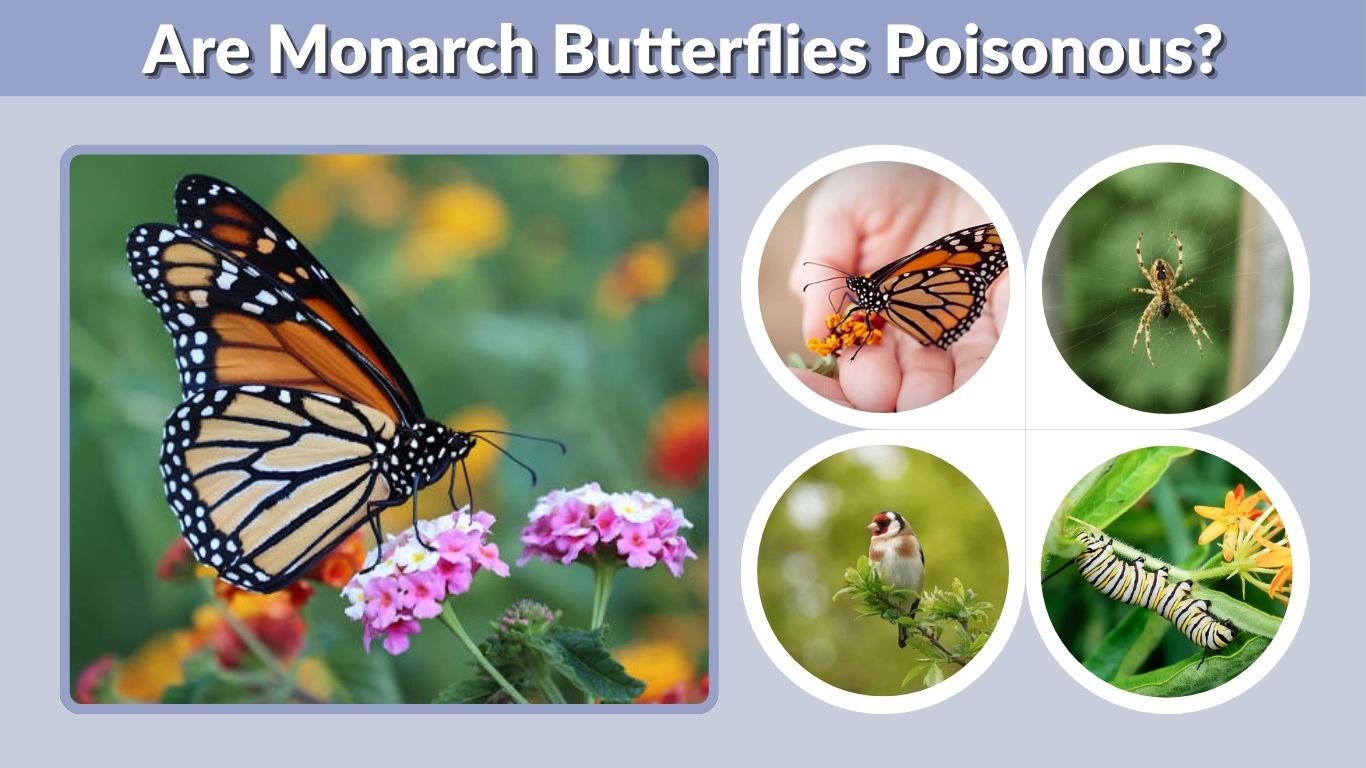
Are monarch butterflies poisonous? Yes, monarch butterflies contain toxic chemicals called cardenolides, which they acquire as caterpillars by eating milkweed. These compounds make monarchs unpleasant … Read More