
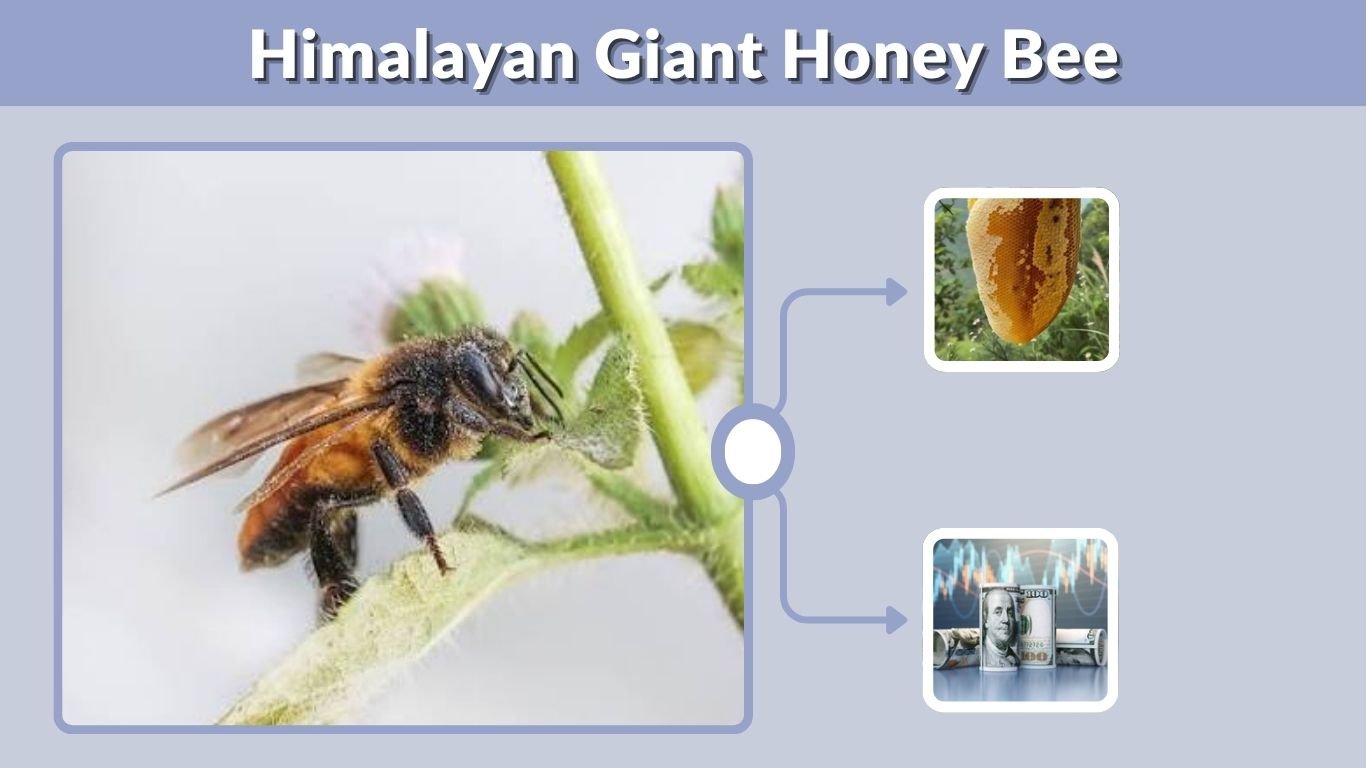
Himalayan Giant Honey Bee: Size, Nest and Mad Honey
The Himalayan giant honey bee (Apis laboriosa) is the world’s largest living honey bee. This remarkable wild species survives on steep mountain cliffs throughout the … Read More
The Himalayan giant honey bee (Apis laboriosa) is the world’s largest living honey bee. This remarkable wild species survives on steep mountain cliffs throughout the … Read More
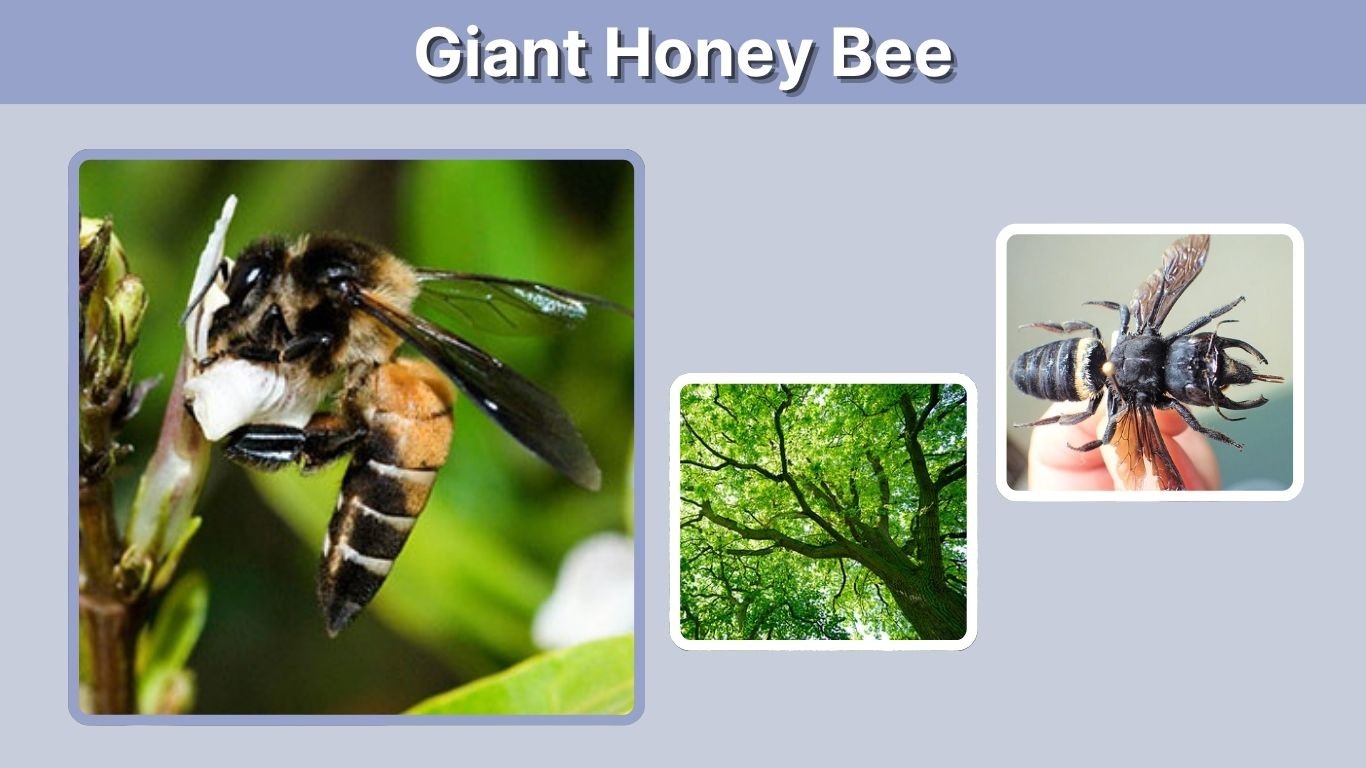
The giant honey bee (Apis dorsata) is one of the world’s largest and most impressive honey-producing bees. Native to South and Southeast Asia, it constructs … Read More
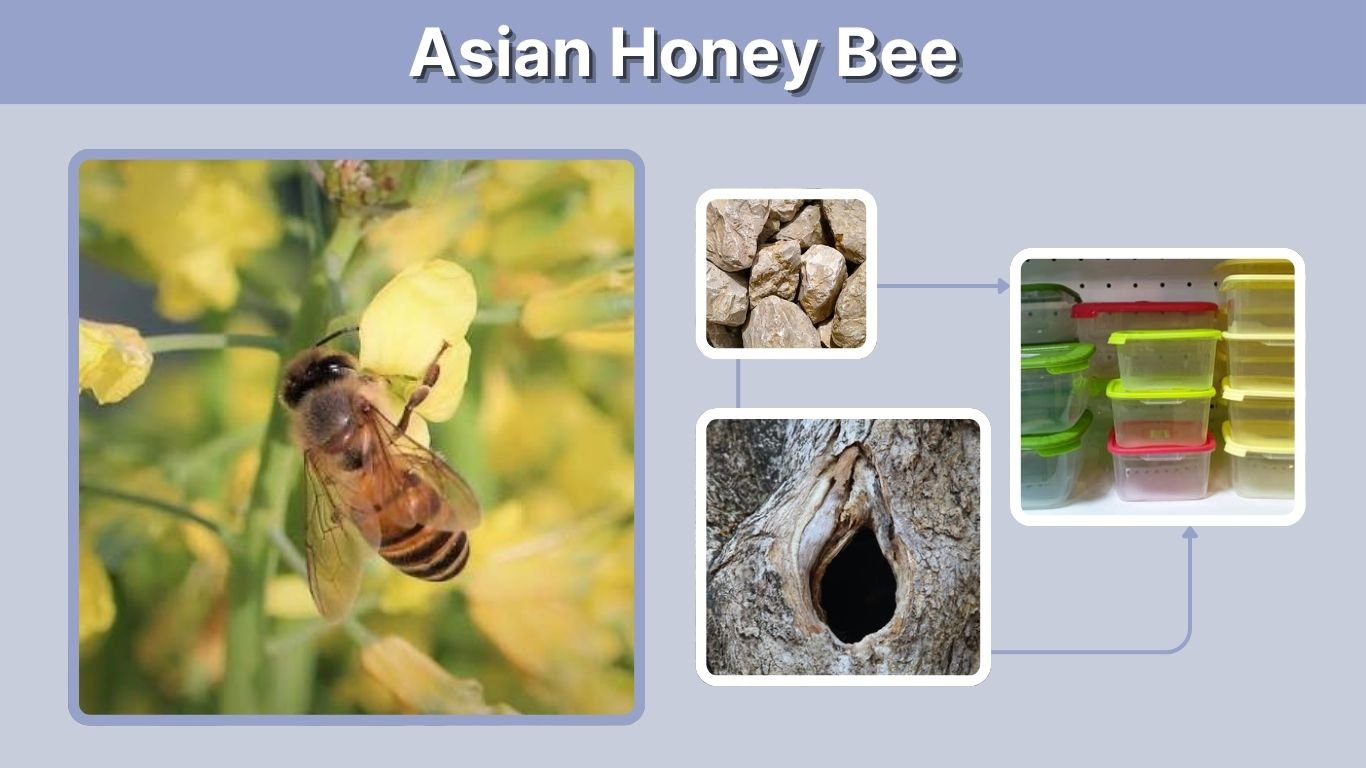
The Asian honey bee (Apis cerana), also called the Eastern honey bee, is a social bee native to much of Asia. It resembles the European … Read More
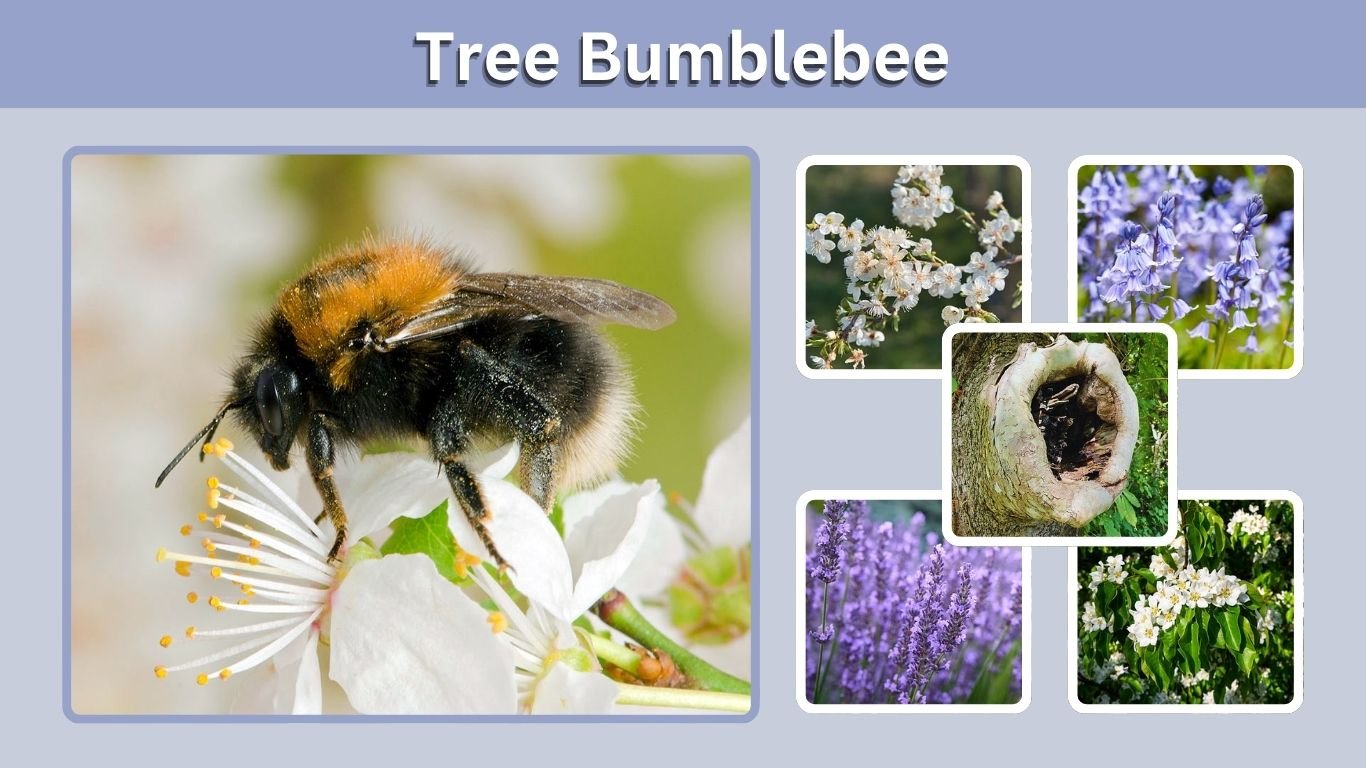
The tree bumblebee (Bombus hypnorum) is an easily recognized species with a ginger-brown thorax, black abdomen, and bright white tail. Originally associated with continental Europe … Read More
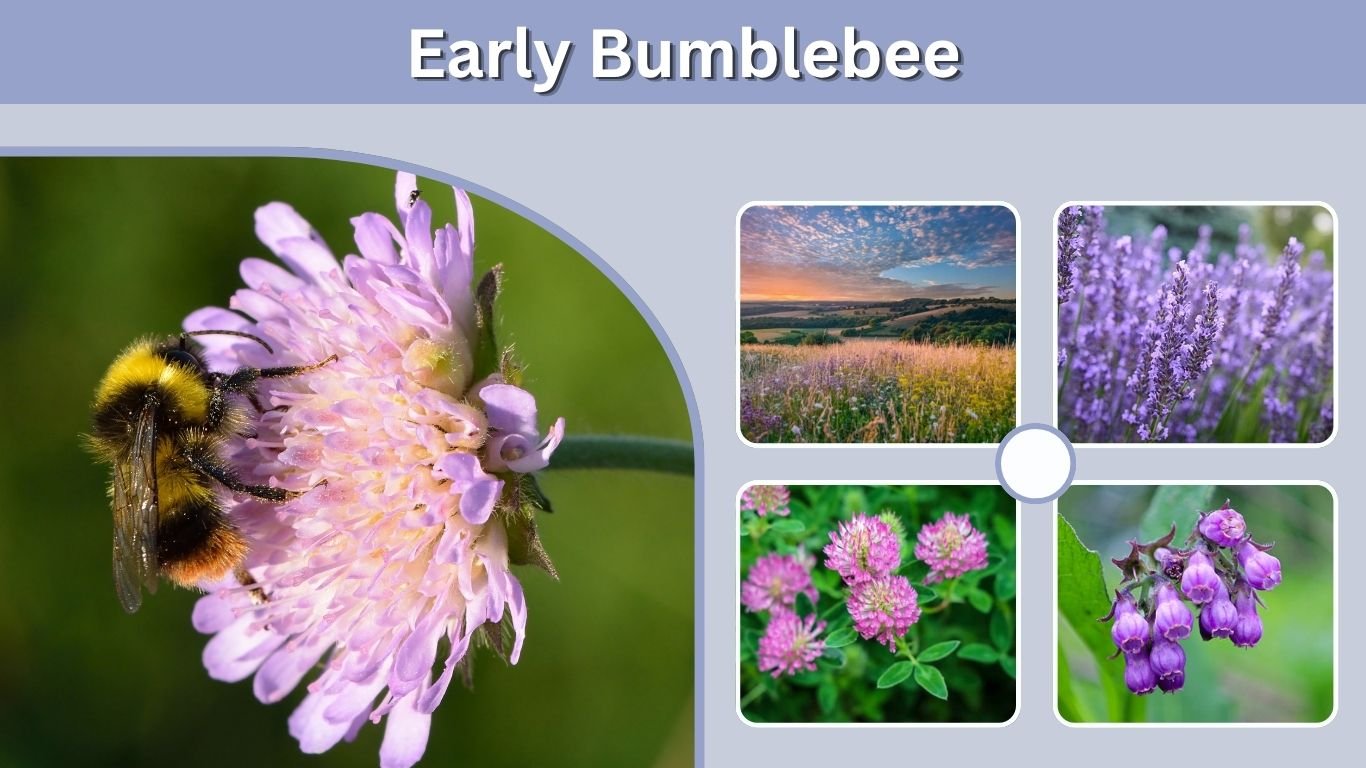
The early bumblebee (Bombus pratorum) is a small, colorful bee commonly found across the United Kingdom and much of Europe. As its name suggests, it … Read More
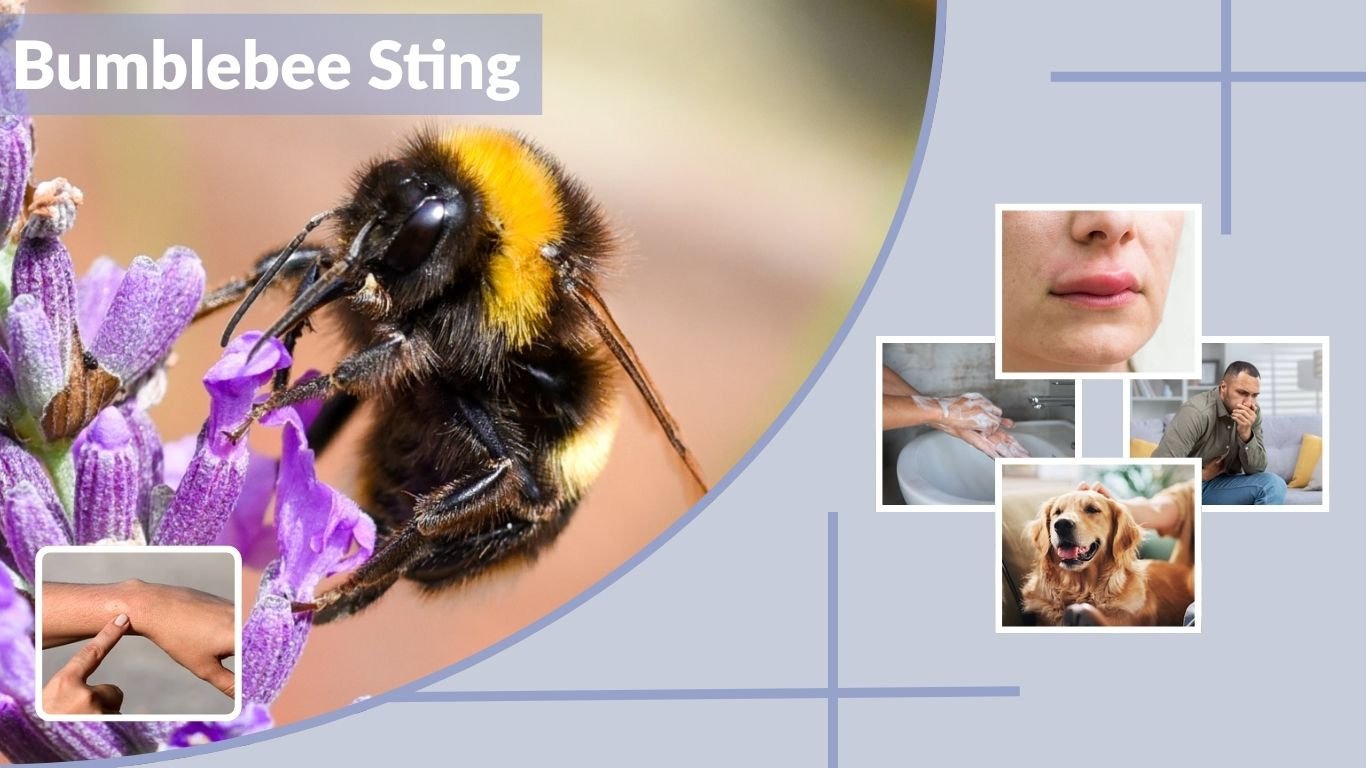
A bumblebee sting usually causes immediate pain, redness, itching, and localized swelling. Only female bumblebees—queens and workers—can sting, and they normally do so when trapped … Read More
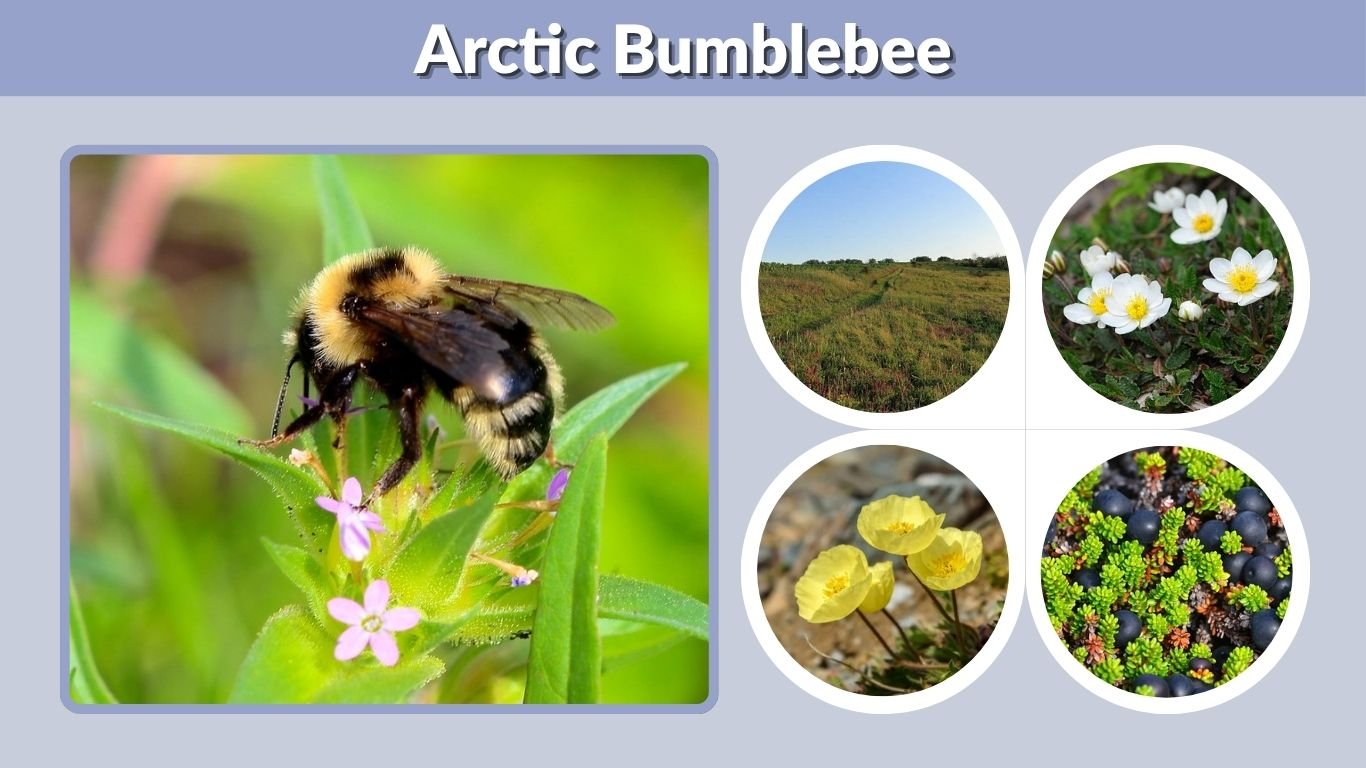
The Arctic bumblebee (Bombus polaris) is a cold-adapted pollinator found across northern tundra regions. Its dense hair, powerful flight muscles, and ability to generate body … Read More
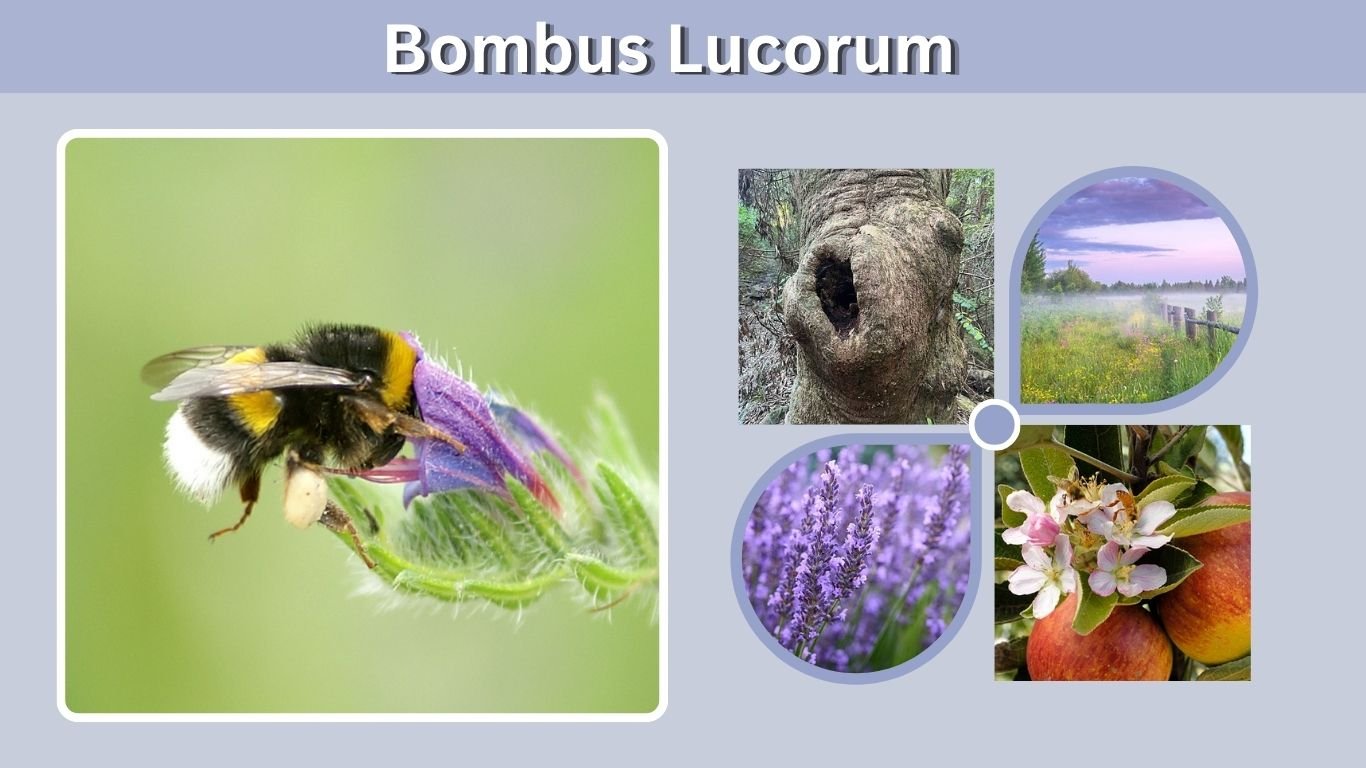
Bombus lucorum, commonly known as the white-tailed bumblebee, is a widespread bumblebee found across the UK, Europe, and parts of northern Asia. It has a … Read More

The garden bumblebee (Bombus hortorum) is a distinctive long-tongued bumblebee found across much of the UK and Europe. It is recognized by its black body, … Read More
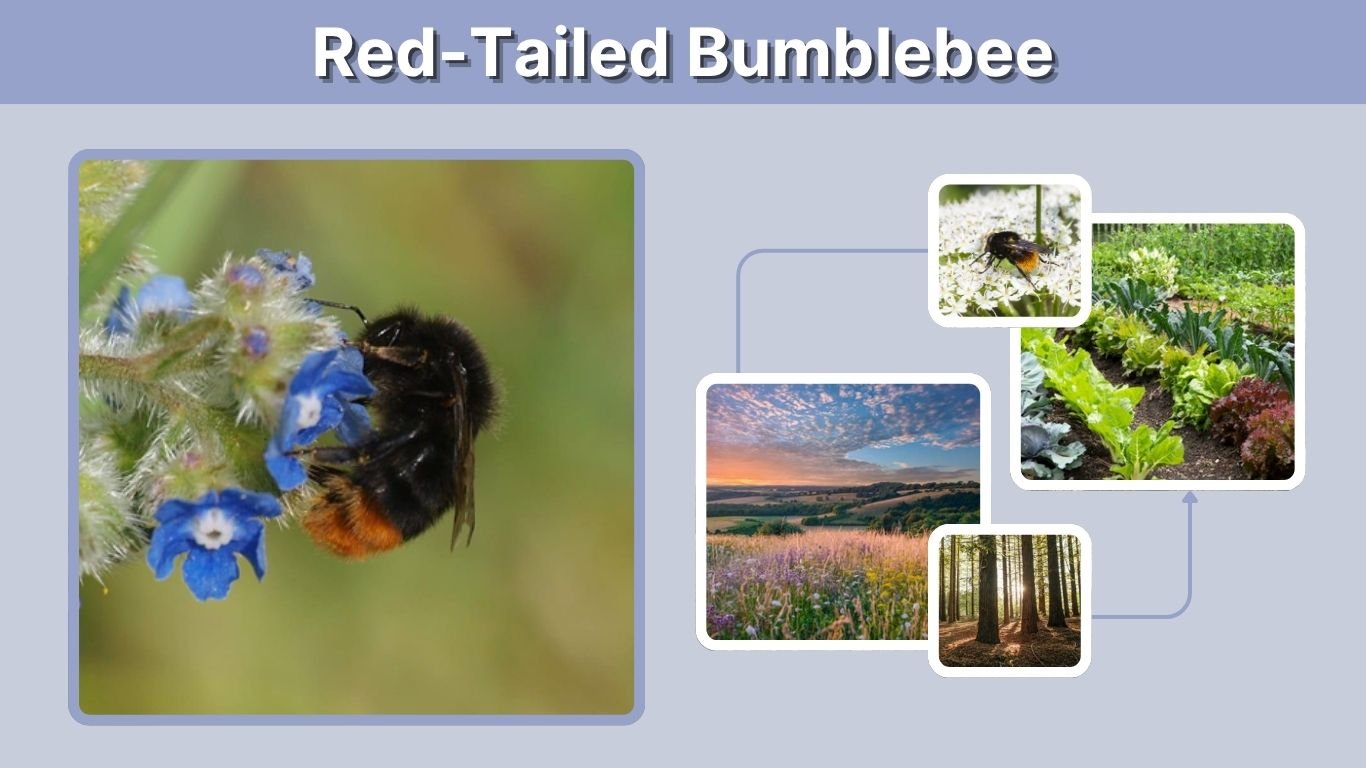
The red-tailed bumblebee (Bombus lapidarius) is a striking black bumblebee with a bright orange-red tail, widely seen across Britain in gardens, parks, farmland, and open … Read More