

Bee stings are one of nature’s most uncomfortable surprises. The sharp pain, redness, and swelling that follow can be alarming, especially if you’re far from home or first-aid supplies. For generations, people have relied on natural remedies like applying mud to a bee sting. But does mud actually help, or is it simply an old wives’ tale passed down through time?
Understanding Mud Bees and Mud Daubers
Before diving into the remedy itself, it helps to understand the insects often associated with mud. The term “mud bees” generally refers to mud dauber wasps, solitary insects that build their nests from mud. Unlike honeybees or yellowjackets, mud daubers are calm and rarely aggressive. They prefer hunting spiders and caterpillars rather than attacking humans.
When people mention “mud bee stings”, they often confuse them with regular bee or wasp stings. Mud daubers can sting, but it’s rare and usually happens only when someone disturbs their nest or traps them accidentally. Their venom is mild, and the pain from their sting is far less severe than that of a honeybee.
Do Mud Bees Sting Humans?
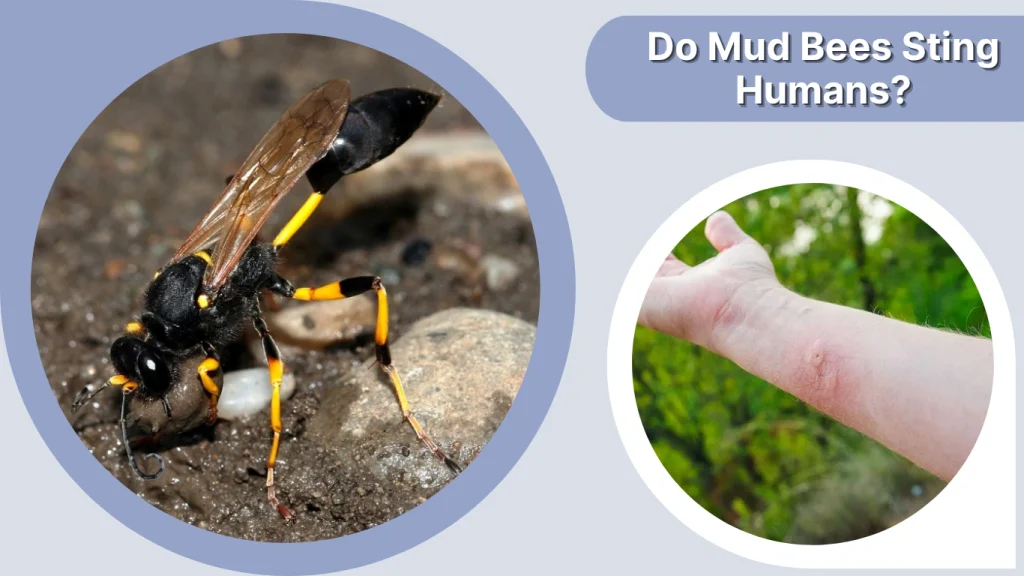
a. Sting Behavior
Mud dauber bees are not naturally defensive. In most cases, they ignore human presence and focus on building their signature mud tubes. However, like any stinging insect, they can sting if threatened or handled roughly. Their sting delivers venom, but it’s weaker compared to social wasps or bees that defend colonies.
b. Comparing to Other Bees
Honeybees and hornets are far more aggressive and inject stronger venom. The swelling and pain from a mud dauber sting are typically mild and fade within a few hours. Still, people with allergies can experience stronger reactions even to mild stings, making proper care important.
Immediate Steps After a Bee Sting

If you’ve been stung by any bee, the first few minutes matter most. Here’s what to do before considering natural remedies like mud:
- Remove the stinger quickly. Use a flat object like a credit card to scrape it out gently. Avoid using tweezers as they may squeeze more venom into the skin.
- Clean the area. Wash the sting site with soap and water to remove dirt and venom residue.
- Reduce swelling. Apply a cold compress for about 10 minutes to ease pain and redness.
Only after following these basic first-aid steps should you think about home remedies like mud or other soothing treatments.
Why Do People Put Mud on Bee Stings?
The idea of putting mud on a bee sting comes from traditional and outdoor practices. Before modern medicine was widely available, people working on farms, in forests, or remote areas had to rely on nature for relief. Mud was easily accessible, cool, and moist — all qualities that seemed to calm the burning sensation of a sting.
This folk remedy became a habit, passed through generations as a quick fix for insect bites and stings. Many people still believe mud draws out the venom or neutralizes it, but there’s little scientific evidence supporting that claim. In truth, the comfort mostly comes from the mud’s temperature and texture rather than any chemical property.
How Does Mud Help a Bee Sting?

Mud can help soothe a bee sting in several practical ways:
- Cooling effect: Wet mud naturally feels cold against the skin, reducing pain and inflammation.
- Moisture retention: The dampness helps keep the area hydrated, preventing dryness and tightness.
- Mild pressure: As the mud dries, it creates gentle compression that may limit swelling.
However, while mud can temporarily ease discomfort, it doesn’t actually pull out venom or stop allergic reactions. In fact, using unclean mud can introduce bacteria into the sting site, leading to infection. Experts recommend using safer, sterile alternatives that provide the same soothing effect without the risk.
How to Use Mud for a Bee Sting
If you find yourself outdoors with no other remedy available, and you decide to try mud for temporary relief, follow these steps carefully:
- Clean the area first. Make sure there’s no dirt or debris on your skin before applying anything.
- Use clean mud. Choose moist soil that looks fresh, preferably from a shaded area. Avoid mud from puddles or near animal waste.
- Apply a thin layer. Cover the sting area gently with a small amount of mud.
- Leave it on for 15–20 minutes. Once it begins to dry, rinse it off with clean water.
While mud for bee stings can bring short-term comfort, you should still monitor your symptoms. If swelling spreads or pain increases, move to a medically safe treatment immediately.
How Long Should You Leave Mud on a Bee Sting?
Leaving mud on a bee sting too long can trap dirt and bacteria under the skin. It’s best to keep it on for no longer than 20 minutes, just enough for the cooling effect to take place. Prolonged contact might irritate the skin or cause infection. After washing off the mud, applying a mild antiseptic or hydrocortisone cream is a safer follow-up step.
Does Mud Really Work for Bee Stings?
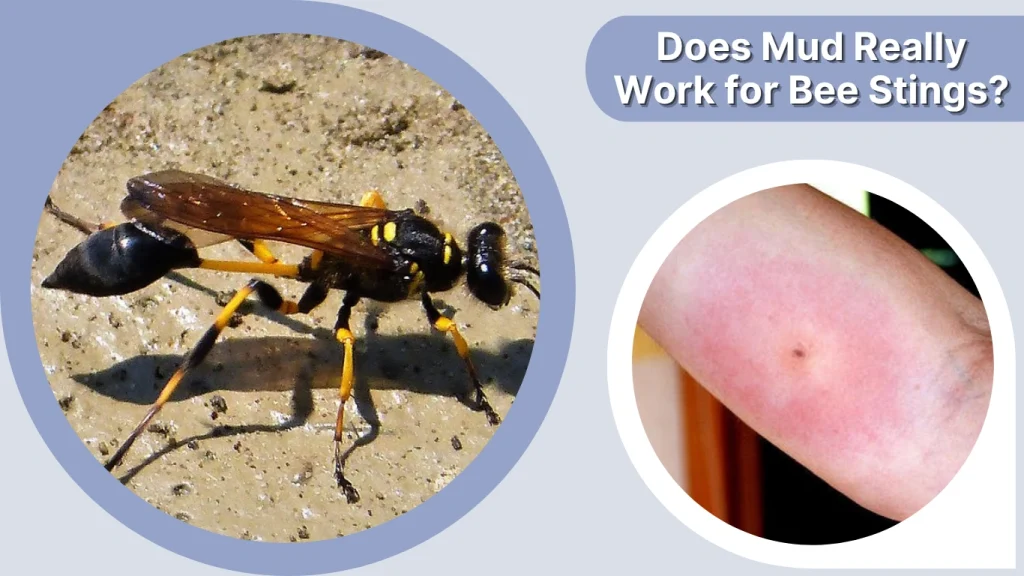
The short answer is not scientifically proven. Mud doesn’t neutralize bee venom or stop allergic reactions. Its soothing effect comes only from its cool, moist nature, which temporarily numbs the sting area. Modern research shows that the pain relief from mud is similar to applying a cold compress—it reduces discomfort but doesn’t treat the cause.
Medical professionals warn that mud carries bacteria, fungi, and even parasites that can infect open skin. While some people swear that mud “pulls out” the sting, this is mostly psychological comfort. The safest approach is to clean the area thoroughly and use sterile, proven remedies instead of soil-based substances.
Safer Alternatives to Mud for Bee Stings
Though mud has historical roots in folk medicine, today there are cleaner, more effective alternatives that provide similar relief without health risks. Here are a few trusted remedies:
- Cold compress or ice pack: Reduces swelling and numbs pain quickly.
- Baking soda paste: Mixing baking soda with water creates a mild alkaline solution that neutralizes bee venom.
- Honey: Surprisingly, honey’s antibacterial and anti-inflammatory properties can soothe pain and help healing.
- Aloe vera gel: Provides a cooling sensation and reduces inflammation naturally.
- Hydrocortisone cream: Available over the counter, it minimizes itching and swelling effectively.
These treatments are safe, sterile, and scientifically supported—making them better choices than mud for treating bee stings.
When to Seek Medical Attention
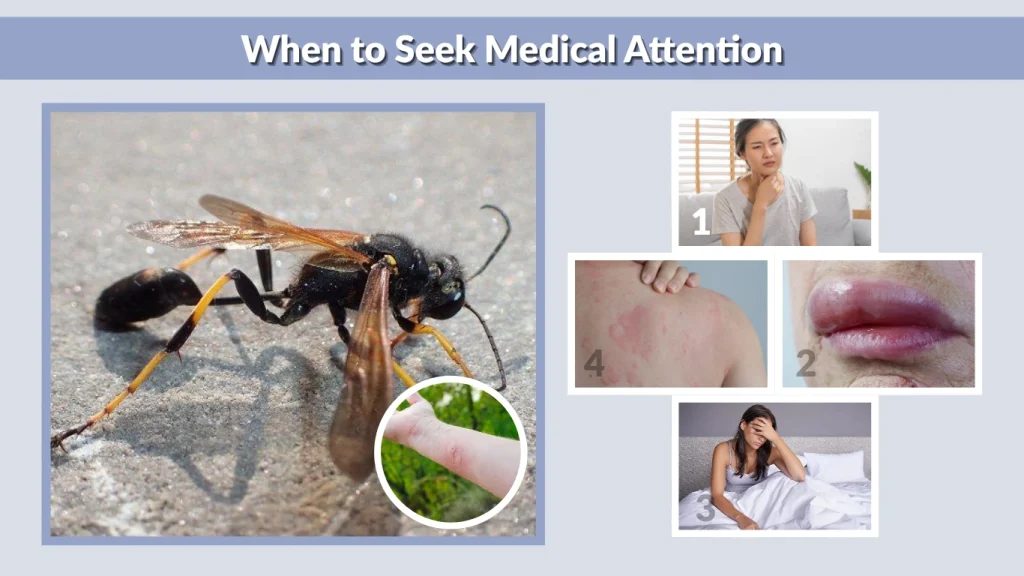
While most bee stings are mild, some can trigger serious allergic reactions. It’s important to recognize when simple home care isn’t enough. You should seek medical help immediately if you experience:
- Difficulty breathing or swallowing
- Swelling of the face, lips, or throat
- Dizziness, nausea, or rapid heartbeat
- Hives spreading beyond the sting area
These are signs of anaphylaxis, a potentially life-threatening condition that requires emergency treatment. Even if symptoms seem mild at first, allergic reactions can worsen quickly. Always keep an eye on how your body responds during the first hour after a sting.
What Does Mud Do for a Bee Sting?
The primary function of mud on a bee sting is temporary pain relief. Its cooling temperature constricts blood vessels, which slows down swelling and numbs the nerve endings around the sting. The moisture in the mud also keeps the skin soft, reducing irritation caused by dryness.
However, mud doesn’t “draw out” venom or the stinger. Only mechanical removal (like scraping the stinger out) can accomplish that. At best, mud serves as a natural cold compress, but at worst, it can cause infection if not applied cleanly or if left on too long.
For quick outdoor relief, it can help—but for proper healing, follow up with antiseptics or medically approved remedies once available.
Why Do People Still Use Mud on Bee Stings?
Despite the risks, many people still put mud on bee stings because it’s instinctive, easy, and often effective in the short term. Folk remedies have survived through generations because they provide visible comfort. In areas without access to first aid, mud acts as an emergency solution until better care is possible.
This natural instinct has been reinforced by rural tradition, where mud, clay, or even tobacco were used as poultices. However, as awareness about infection grows, more people are moving away from these practices in favor of cleaner, safer methods.
Is Mud Good for Bee Stings?

While mud might seem good because of its soothing properties, it’s not considered safe or hygienic. Soil contains microorganisms that can easily enter the punctured skin and cause infections. Doctors recommend avoiding direct contact with unsterilized substances on open wounds.
If you’re outdoors and mud is your only option, make sure to wash it off thoroughly once possible and disinfect the area. The cooling relief it provides is temporary and doesn’t replace medical care or tested home treatments.
Mud or Modern Medicine: Which Is Better?
When comparing mud with modern first-aid treatments, the difference lies in safety and effectiveness. Mud offers quick, temporary comfort, but medical options deliver lasting relief and prevent complications. Baking soda paste, honey, and hydrocortisone are all proven to soothe and heal faster without risk of infection.
Choosing cleaner methods doesn’t just treat the sting—it also ensures the skin remains healthy afterward. Modern remedies address both the symptom (pain and swelling) and the cause (venom irritation), making them more reliable in every situation.
FAQs
Do mud dauber bees sting?
Mud dauber bees rarely sting because they are solitary and calm. They attack only when handled or threatened directly. Their sting is mild and causes minimal pain compared to aggressive honeybees or wasps.
Does mud help a bee sting?
Mud provides cooling comfort and may temporarily reduce pain and swelling. However, it doesn’t neutralize venom or stop allergic reactions. Clean remedies like aloe vera or baking soda paste are safer and more effective.
How long should you leave mud on a bee sting?
You should leave mud on the sting for about 15–20 minutes, then rinse thoroughly with clean water. Prolonged use increases the risk of skin irritation or infection, especially if the mud isn’t clean.
Is mud good for bee stings?
Mud gives short-term relief because it’s cool and soothing, but it isn’t medically recommended. It can carry germs and cause infection. Safer alternatives like cold compresses or hydrocortisone cream are better choices.
Why do people put mud on bee stings?
People traditionally used mud as a quick remedy in outdoor settings. It helped cool the sting and relieve pain when no medical aid was available. Today, it’s recognized as a temporary solution rather than a proper treatment.
