
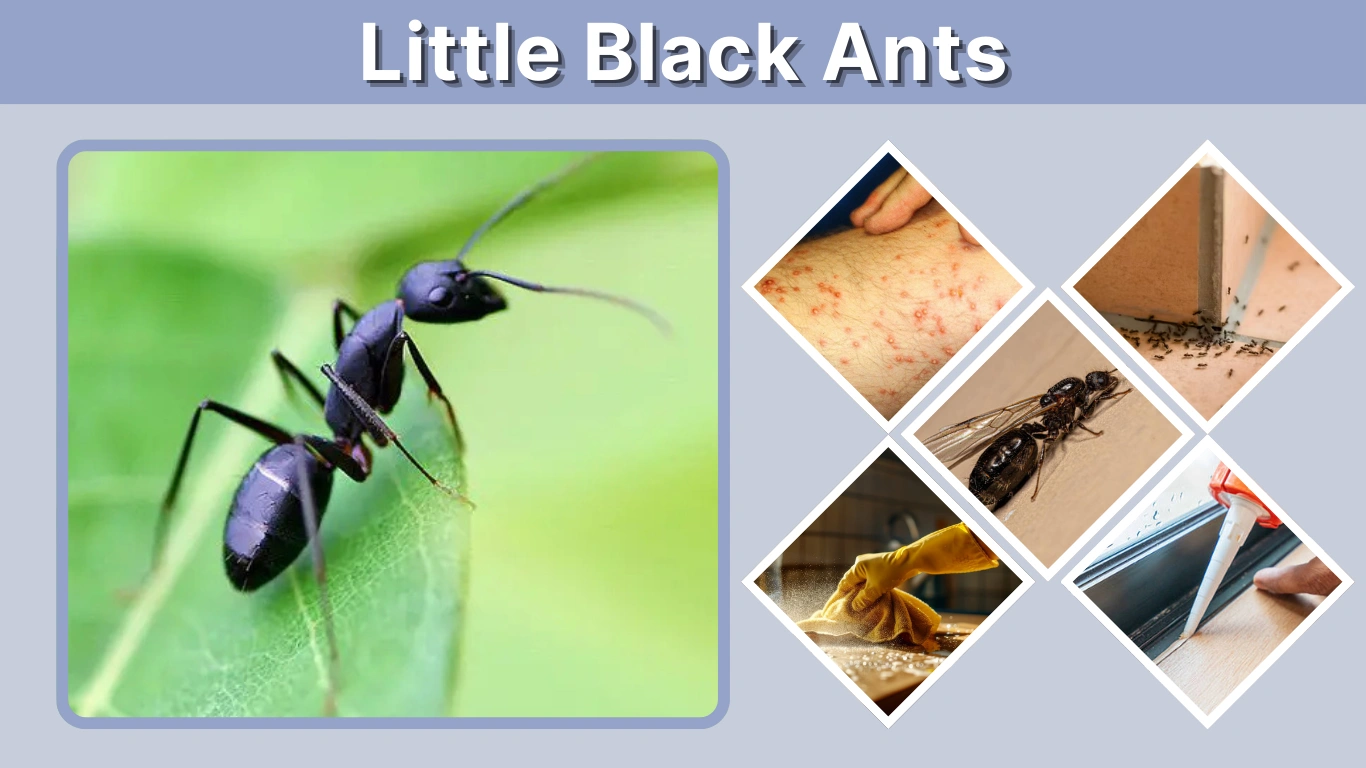
Little black ants are among the most common household ants found in kitchens, bathrooms, and wall cracks. Although they are tiny, they often appear in large numbers, creating frustrating infestations. Many people confuse them with sugar ants or other small black ant species. Understanding what little black ants are, how to identify them, and why they invade homes is the first step toward effective control and long-term prevention.
What Are Little Black Ants?
Little black ants are small household ants most commonly identified as Monomorium minimum. They are native to North America and are well known for invading homes in search of sweets, grease, and moisture. Because of their tiny size, they easily enter through microscopic cracks in walls, windows, and foundations.
These ants live in large colonies that can contain thousands of workers. Outdoors, they nest under rocks, wood, soil, and bricks. Indoors, they often build satellite nests inside walls, under floors, or behind appliances, which is why infestations can be difficult to eliminate completely.
Scientific Classification and Common Names
Little black ants belong to the family Formicidae and the genus Monomorium. In everyday language, they are often called tiny black ants, small black ants, or black sugar ants. While “sugar ant” is not a scientific term, it is commonly used because these ants are strongly attracted to sweet foods, syrups, fruits, and crumbs left on kitchen counters.
Why They Enter Homes
Little black ants usually invade houses for three main reasons: food, water, and shelter. Kitchens provide sugar, grease, and protein scraps. Bathrooms and laundry areas provide moisture. Wall voids offer warmth and protection. Once scouts find a food source, they release scent trails that guide hundreds of other workers into the home.
Identification Guide for Little Black Ants

Correct identification is important because not all black ants behave the same way.
- Size: Workers are extremely small, usually about 1.5–2 mm long.
- Color: Shiny black or very dark brown.
- Body shape: Oval abdomen, narrow waist, and small head.
- Movement: Fast-moving and often seen in thin lines or trails.
- Wings: Reproductive ants may develop wings during certain seasons.
Little black ants are often confused with other ants, especially when people notice small black ants with wings, large black ants with wings, or ants showing red, orange, or pale markings. Color variation does not always mean a different species, but it can also indicate other household ants.
Types of Black Ants Found in Homes

Many species are casually called “black ants,” even though they differ greatly in size, behavior, and risk level.
Little Black Ants (Monomorium minimum)
These are the classic tiny black ants commonly found in kitchens and bathrooms. They prefer sweets, nest in hidden spaces, and form large colonies with multiple queens. Their small size allows them to enter nearly any structure.
Black Carpenter Ants
Carpenter ants are much larger than little black ants and may appear solid black or black with red tones. They nest in wood and can cause structural damage over time. Large black ants with wings inside a home are often carpenter ant swarmers.
Black Garden Ants
Common outdoors, black garden ants may wander indoors for food. They usually nest in soil, lawns, and under stones. While mostly harmless, they can still contaminate food sources.
Black Ants With Color Variations
Some ants appear black and red, black and orange, or even black and white due to body patterns or reflective hairs. These variations can belong to fire ants, pavement ants, or field ants. Because behavior and treatment methods vary, identifying whether you are dealing with little black ants or another species is essential.
Little Black Ants With Wings — What Does It Mean?
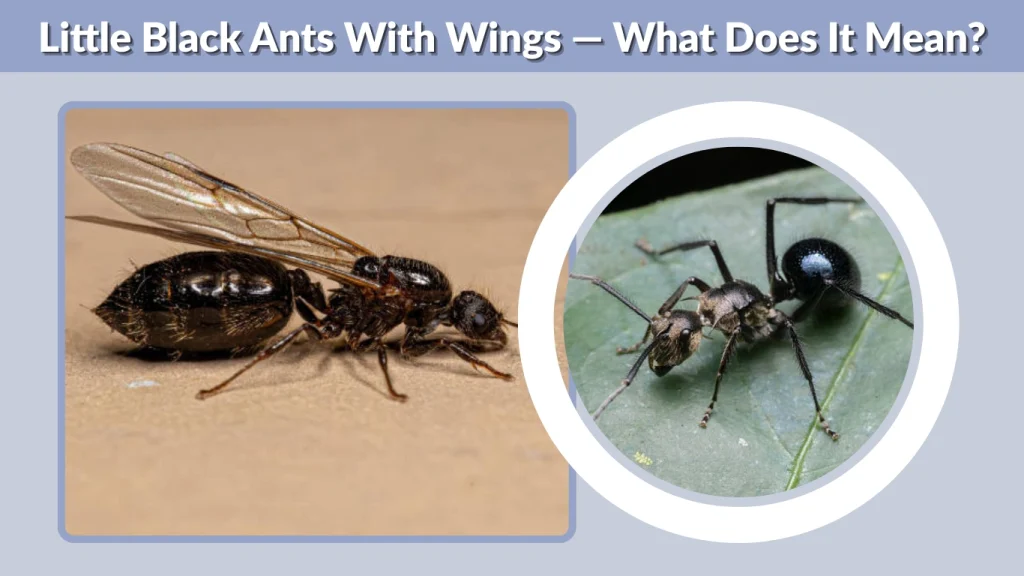
Seeing little black ants with wings can be alarming, but it is often a normal part of the ant life cycle. Winged ants, called swarmers or alates, are reproductive males and females. Their job is to leave the nest, mate, and start new colonies.
These ants usually appear seasonally, especially in warm, humid weather. Indoors, winged ants often gather near windows, lights, and doors.
Small Black Ants With Wings vs Termites
People frequently mistake winged ants for termites. Ants have bent antennae, uneven wing sizes, and narrow waists. Termites have straight antennae, equal-sized wings, and thick waists. Correct identification matters because termite infestations are far more destructive and require different control methods.
Large Black Ants With Wings in the House
Large winged ants indoors are often carpenter ant reproductives. Their presence may indicate a nearby nest in walls, wood beams, or outdoor structures close to the home. While a few winged ants do not always mean a serious problem, repeated sightings usually suggest an established colony.
Do Little Black Ants Bite?
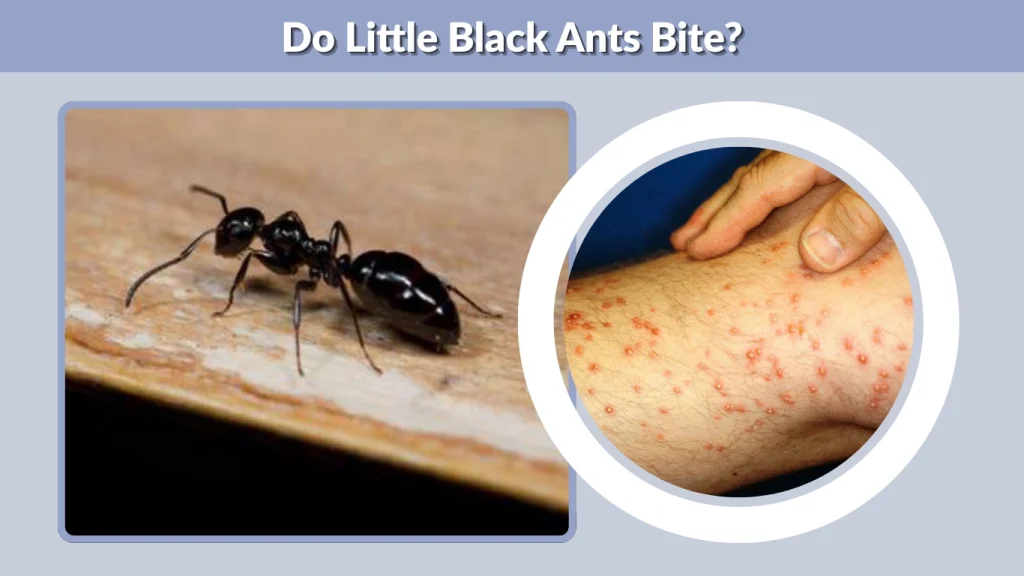
Little black ants can bite, but they are not aggressive and rarely cause noticeable pain. Their mandibles are very small, so bites usually feel like mild pinches. They do not have strong stingers like fire ants, and they are not considered dangerous to humans.
Are Little Black Ants Dangerous?
Little black ants do not transmit serious diseases, but they can contaminate food and surfaces as they crawl through trash, drains, and decaying matter. In sensitive individuals, minor skin irritation may occur after repeated contact.
Little Black Ants That Bite — What People Experience
When little black ants bite, the reaction is usually limited to tiny red marks, slight itching, or mild burning. Bites typically happen when ants are trapped against skin, such as in clothing, bedding, or towels. Severe reactions are extremely rare.
Signs of a Small Black Ant Infestation
A few wandering ants may not indicate a serious issue, but repeated sightings usually mean a colony is established nearby. Little black ants often operate in organized trails that lead from wall cracks, baseboards, or cabinets directly to food sources.
Common signs of a small black ant infestation include:
- Long, thin trails along countertops, floors, or walls
- Ants gathering around sugar, crumbs, pet food, or spills
- Clusters near sinks, drains, or leaking pipes
- Winged ants appearing near windows or lights
- Ants returning daily even after cleaning
Because colonies can create multiple satellite nests, killing visible ants rarely solves the problem without addressing the source.
Where Little Black Ants Commonly Appear Indoors

Little black ants prefer areas that provide food, moisture, and darkness. This is why infestations are often room-specific.
Little Black Ants in the Kitchen
The kitchen is the most common hotspot. Even tiny food residues attract these ants. They are frequently found inside cabinets, around trash cans, under refrigerators, and near pet feeding areas. Sweet items such as honey, juice, fruit, and syrup are especially attractive.
Getting rid of little black ants in the kitchen requires more than spraying. All food sources must be sealed, surfaces thoroughly cleaned, and ant trails disrupted so workers cannot guide others back.
Little Black Ants in the Bathroom
Bathrooms provide moisture, which ants need to survive. Leaky pipes, condensation, drains, soap residue, and damp towels make ideal environments. Little black ants in the bathroom often emerge around sinks, bathtubs, toilets, and wall gaps.
Because water sources are the main attraction, reducing humidity and repairing leaks is critical for long-term control.
Little Black Ants in Bedrooms and Walls
Although less common, little black ants may appear in bedrooms, especially when nests are located inside wall voids. They can travel through electrical lines, insulation, and baseboards. Ants in these areas usually indicate a hidden indoor nest rather than a simple food trail.
Little Black Ants in Florida and Warm Regions
In warm, humid regions such as Florida, little black ants can be active almost year-round. Moist soil, heavy rainfall, and abundant vegetation create ideal nesting conditions. Colonies often move indoors during periods of extreme heat, drought, or storms.
Homes in warm climates are more likely to experience recurring invasions, especially when outdoor nests are close to foundations, patios, and garden beds. Regular exterior inspections and moisture control play a major role in reducing infestations.
How to Get Rid of Little Black Ants
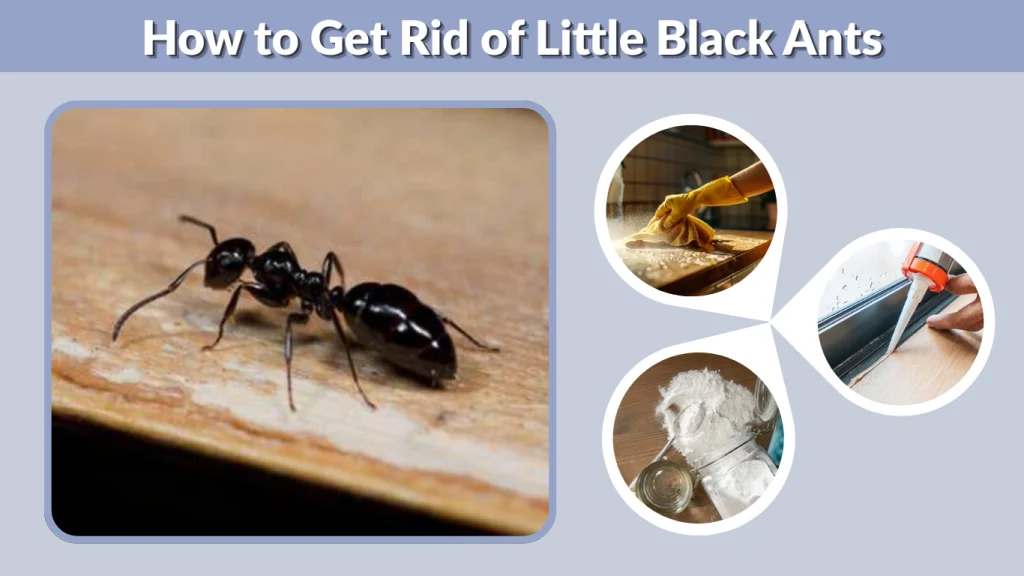
Eliminating little black ants requires a combination of sanitation, exclusion, and colony-targeted treatment. Killing surface ants alone rarely works because it does not affect the queens.
Immediate Control Methods
Start by removing what attracts them. Clean countertops, floors, and shelves with soap and water or vinegar to remove scent trails. Store all food in airtight containers. Take out trash regularly. Wipe up spills immediately.
Seal cracks around windows, doors, baseboards, and pipes. Even tiny gaps can serve as entry points. Caulking these areas reduces new ants from entering.
Natural Home Remedies
Many homeowners use natural methods for mild infestations. Vinegar disrupts scent trails. Lemon juice, cinnamon, peppermint oil, and diatomaceous earth may repel ants and reduce movement. Baking soda mixed with sugar can sometimes kill workers that carry it back to the nest.
Natural remedies work best for small problems but may not fully eliminate established colonies.
Ant Baits and Commercial Solutions
Baits are usually the most effective solution. Worker ants carry bait back to the colony, feeding the queens and larvae. Over time, this disrupts the entire nest.
Avoid spraying over bait trails, as sprays kill workers before they can deliver poison to the colony. Place baits near trails, entry points, and suspected nesting areas. Consistent use for several days or weeks is often required.
For large or persistent infestations, professional pest control may be necessary, especially if nests are located inside walls or structural wood.
Why Little Black Ants Keep Coming Back
Little black ants form colonies with multiple queens. Even if part of the nest is destroyed, remaining queens can rebuild populations quickly. They also create satellite nests, allowing colonies to spread through walls, floors, and outdoor soil.
If attractants remain available or entry points stay open, new workers will continue to appear. This is why long-term success depends on removing food, moisture, and access routes.
Long-Term Prevention Tips
Preventing future infestations is just as important as removing current ones. Keeping homes unattractive to ants greatly reduces the risk of reinvasion.
Effective prevention includes storing food securely, cleaning daily, repairing leaks, sealing gaps, trimming vegetation away from structures, and keeping outdoor areas free of debris. Regularly inspecting kitchens, bathrooms, and foundations helps catch problems early.
Lifecycle of Little Black Ants
Little black ants develop through four stages: egg, larva, pupa, and adult. Queens can live for several years and lay hundreds of eggs. Workers live for several months and are responsible for foraging, feeding larvae, and protecting the nest.
Because colonies grow quickly and may contain thousands of ants, infestations can escalate fast once a nest becomes established inside a building.
Little Black Ants vs Other Tiny Ants
Little black ants are often confused with pharaoh ants, pavement ants, and ghost ants. While all are small, their nesting habits and food preferences differ. Pharaoh ants prefer warm indoor environments, pavement ants nest under concrete, and ghost ants have pale legs and abdomens.
Correct identification ensures the right treatment method is used, as some ants respond poorly to general sprays and require specialized baiting strategies.
FAQs About Little Black Ants
Do little black ants mean your house is dirty?
Little black ants do not necessarily mean a house is dirty. Even clean homes can attract ants because of tiny food particles, moisture, or hidden leaks. Ants are excellent foragers and can detect very small amounts of sugar, grease, and water that humans often overlook.
Why do little black ants suddenly appear in large numbers?
Little black ants suddenly appear when scout ants find food or water and lay down scent trails. This quickly guides hundreds of workers to the source. Weather changes, nearby nest disturbances, or new food availability can also trigger sudden indoor invasions.
How long does it take to get rid of little black ants?
Getting rid of little black ants usually takes several days to a few weeks. Baits must be carried back to the colony to affect queens and larvae. Visible ants may increase at first, but numbers gradually decline as the nest becomes weakened.
Are little black ants harmful to humans or pets?
Little black ants are not dangerous to humans or pets. They rarely bite and do not spread serious diseases. However, they can contaminate food and surfaces, which makes infestations unsanitary and unpleasant, especially in kitchens and food storage areas.
Why do little black ants keep coming back after cleaning?
Little black ants return because cleaning only removes visible workers, not the colony. Hidden nests may exist inside walls or outdoors. If food sources, moisture, and entry points remain available, new workers will continue following established scent trails into the home.
