
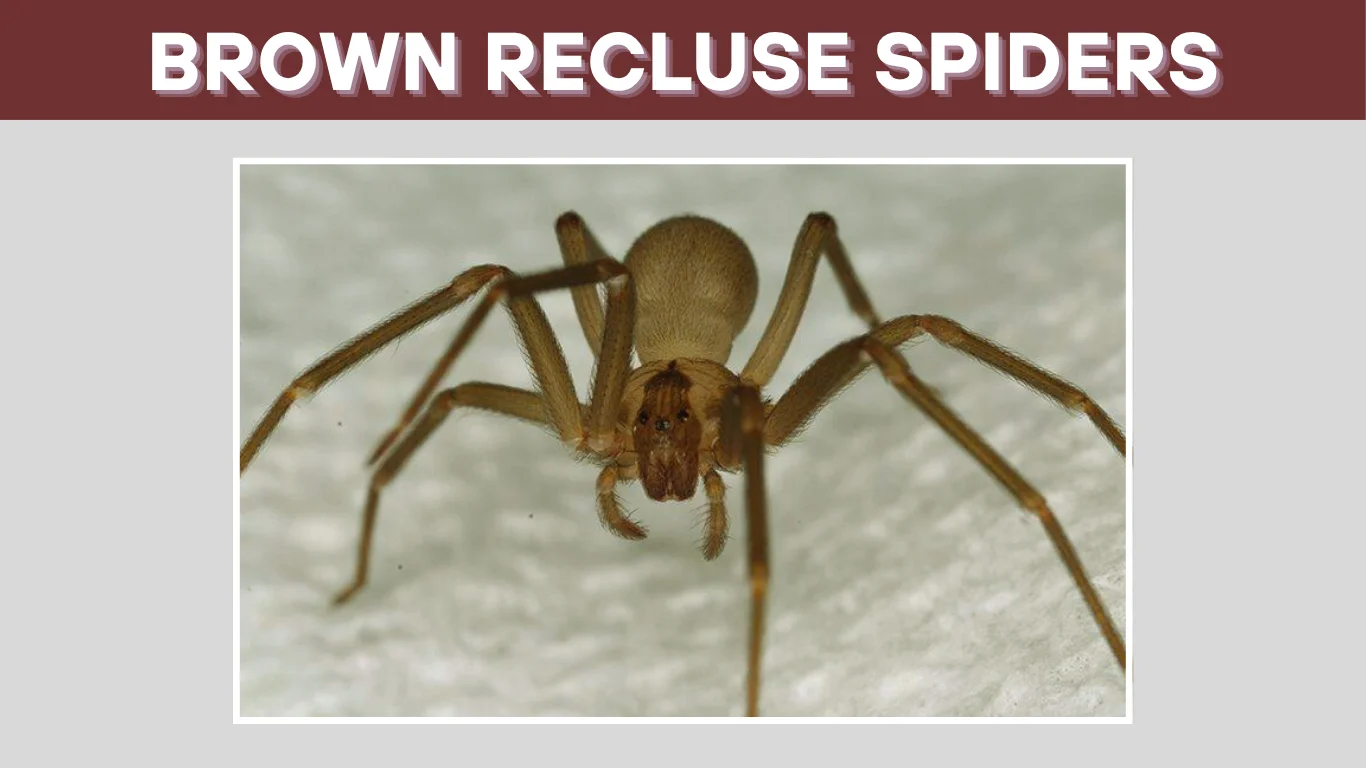
Brown recluse spiders have gained a reputation for being one of the more feared house spiders in the United States—and not without reason. Their venom can cause serious wounds in rare cases, and their shy nature means they’re often discovered by accident. But just how likely are you to encounter one? That depends on where you live and how you maintain your space. In this article, we’ll explore exactly where brown recluse spiders live—both geographically and within homes or outdoor environments—so you know what to watch for.
Geographic Range of Brown Recluse Spiders

The brown recluse (Loxosceles reclusa) is not found everywhere in the United States. In fact, its range is surprisingly limited when compared to how often people claim to encounter them.
Native Regions
Brown recluse spiders are native to the central and southern parts of the U.S. These spiders are most commonly found in the following states:
- Texas
- Oklahoma
- Kansas
- Arkansas
- Missouri
- Louisiana
- Mississippi
- Alabama
- Tennessee
- Kentucky
- Georgia (northern areas)
- Illinois (especially southern regions)
- Indiana
These regions offer the dry, warm conditions that brown recluses prefer. Their population density tends to be highest in homes and structures that have been around for a while and are not frequently disturbed.
Expansion and Isolated Sightings
Although brown recluse spiders are occasionally reported in states outside their native range, such sightings are rare and often misidentifications. In some cases, they are transported via boxes, luggage, or moving trucks.
States like California, Florida, Ohio, or New York may occasionally report a brown recluse, but in almost all cases, they don’t establish sustainable breeding populations in these areas. The environmental conditions are generally too different from their preferred habitat for them to thrive.
Indoor Habitat Preferences

One reason brown recluse spiders are so feared is because of where they like to hide—inside homes and buildings. They are known as “recluse” for a reason: they avoid light, noise, and activity, preferring dark, quiet places.
Common Indoor Hiding Spots
- Closets: Especially those filled with boxes or rarely worn clothes.
- Basements and attics: These areas provide dark, undisturbed spaces that are rarely cleaned or accessed.
- Behind furniture: They often hide behind couches, cabinets, and bookshelves.
- Inside shoes or boots: If left on the floor, shoes can become perfect hiding spots.
- Clothes or towels: Items left on the floor or in storage bins may shelter recluses.
- Cardboard boxes: Brown recluses are attracted to cardboard, which they may use for both shelter and egg-laying.
- Inside walls or floorboards: Cracks, crevices, and hidden voids in older homes offer protection.
Because they’re nocturnal, brown recluses usually come out to hunt at night and hide during the day. This can make them especially difficult to notice until they’re accidentally disturbed.
Outdoor Habitat Preferences

Although they’re often associated with indoor infestations, brown recluses do live outdoors, especially in warmer months. They thrive in dry, warm areas that provide shelter and access to small prey.
Typical Outdoor Locations
- Under rocks or logs: They often build shelters under heavy objects where light and disturbance are minimal.
- Woodpiles and brush heaps: Ideal for hiding and hunting.
- Sheds and garages: These outbuildings mimic their preferred indoor conditions but with less human activity.
- Under decks or porches: These shaded, protected areas are commonly used as daytime hiding spots.
- Inside unused equipment or garden tools: Recluses may hide in items that aren’t frequently handled.
Just like indoors, these spiders outdoors remain in areas where they can stay out of sight and avoid predators.
Why Brown Recluses Choose These Spots

Brown recluse spiders are not aggressive by nature, and their behavior directly influences their choice of habitat. Their core survival instincts are built around three main needs:
- Darkness and Seclusion: Brown recluses dislike bright light and vibrations. They settle in places with little to no daily disturbance.
- Steady Temperatures: They prefer warm, dry environments, which is why they’re more active indoors during cooler seasons.
- Reliable Food Source: Recluses feed on small insects like ants, silverfish, and other soft-bodied bugs that can also be found in homes.
Their small size, flat bodies, and shy behavior allow them to squeeze into incredibly tight spaces, from wall voids to drawer corners.
Seasonal Activity and Movement Indoors

Brown recluse spiders are present year-round in most areas of their range, but their behavior changes slightly with the seasons.
Increased Sightings in Summer
During the warmer months, especially late spring through summer, brown recluses become more active for a few reasons:
Mating season increases movement as spiders search for mates.
Higher temperatures drive them into cooler indoor environments like basements and bathrooms.
Prey availability may shift outdoors, encouraging more exploration indoors.
This is why people often report more brown recluse activity during summer, even though the spider has likely been living in their home unnoticed for months.
Signs You May Have Brown Recluse Spiders at Home

Even in high-risk areas, not every home has a brown recluse infestation. But if you suspect one, here are a few signs to watch for:
Warning Signs
- Frequent spider sightings in dark corners or behind objects.
- Sudden appearance in shoes or clothing, especially stored items.
- Small webs in corners, though brown recluses don’t make large, visible webs like orb-weavers.
- Unexplained spider bites, especially with mild pain that worsens over 12–24 hours.
Remember, the presence of spiders doesn’t always mean they’re brown recluses—many harmless house spiders can look similar at a glance.
Final Thoughts
Brown recluse spiders are more common in some regions than others, and their preferred hiding spots—dark, undisturbed areas—make them hard to notice. If you live in one of their native states, understanding their habitat helps reduce the chances of a surprise encounter.