Cellar spiders, often called “daddy long legs,” are a familiar sight in basements and corners of quiet rooms. While they may look fragile, these spiders often raise curiosity—and concern. Are they dangerous? Do they bite? This guide answers the most common questions about cellar spiders, from their behavior and habitat to their role in controlling pests inside your home.
What Is a Cellar Spider?

A Cellar Spider is a long-legged spider commonly found in dark, damp spaces like basements, crawl spaces, and cellars—hence the name. They belong to the family Pholcidae and are often mistaken for other spiders due to their delicate bodies and extremely thin legs.
Are Cellar Spiders Daddy Long Legs
Yes, Cellar Spiders are often referred to as “Daddy Long Legs.” However, this name is also used for other unrelated creatures like harvestmen (which are not spiders). In North America, the term usually refers to Cellar Spiders.
Are Cellar Spiders Male
Cellar Spiders can be either male or female. Both sexes are similar in appearance, though females are typically larger. Males are identifiable during mating seasons due to their active behavior and smaller abdomens.
Do Cellar Spiders Have Eyes
Yes, Cellar Spiders have eyes. Most species have eight eyes arranged in two clusters, but their vision is quite poor. They rely more on vibrations and touch to detect movement and threats.
Do Cellar Spiders Make Webs
Yes, Cellar Spiders spin irregular, messy webs. These webs are often found in corners of ceilings or basements. They use their webs to trap prey and will sometimes shake their webs vigorously when disturbed.
Are Cellar Spiders Dangerous or Harmful?

No, Cellar Spiders are not dangerous to humans. While they do have venom like most spiders, their venom is weak and not harmful to people.
Are Cellar Spiders Poisonous
Technically, Cellar Spiders are venomous, not poisonous. They use venom to subdue their prey, but it poses no risk to humans.
Are Cellar Spiders Venomous
Yes, Cellar Spiders are venomous. They inject venom into their prey to immobilize it, but their venom is not strong enough to affect humans.
Are Cellar Spiders Harmful
No, Cellar Spiders are not harmful. They are harmless to humans and often help control pests by eating other insects and spiders.
Is Cellar Spider Poisonous
No, the Cellar Spider is not considered poisonous to humans. The term “poisonous” refers to something harmful when eaten or touched, which doesn’t apply to Cellar Spiders.
Are Cellar Spiders Poisonous in Connecticut
No, Cellar Spiders in Connecticut are not poisonous to humans. They are the same harmless species found throughout much of North America.
Can Cellar Spiders Hurt You
No, Cellar Spiders cannot hurt you. Their fangs are small and not strong enough to penetrate human skin effectively, and their venom has no harmful effects on people.
Are Cellar Spiders Friendly or Good?
Are Cellar Spiders Friendly
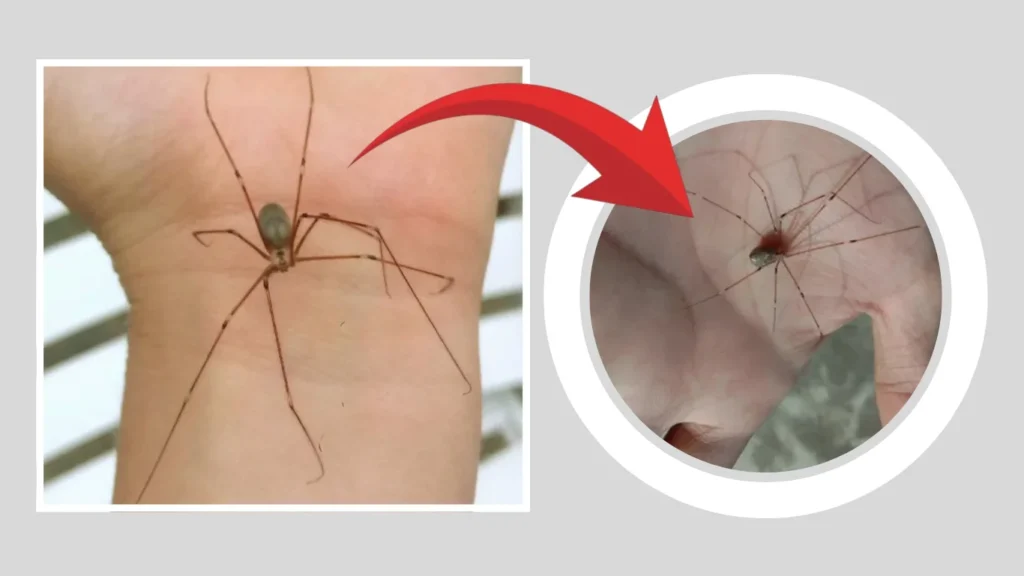
While spiders don’t show emotions or social behavior in the way humans do, Cellar Spiders are considered “friendly” in the sense that they are non-aggressive and non-threatening to humans. They don’t chase, bite, or cause harm, and usually retreat when disturbed. Their presence in homes is typically harmless, and they quietly go about their lives in corners or undisturbed areas.
Are Cellar Spiders Good
Yes, Cellar Spiders are actually considered beneficial. They help reduce populations of other insects and spiders inside your home, including pests like mosquitoes, flies, and even more dangerous spiders such as the Black Widow and Brown Recluse. Because of this, many people choose to leave them alone rather than remove them. Their natural pest control abilities make them a helpful presence in homes, garages, and basements.
Cellar Spiders and Humans
Do Cellar Spiders Bite
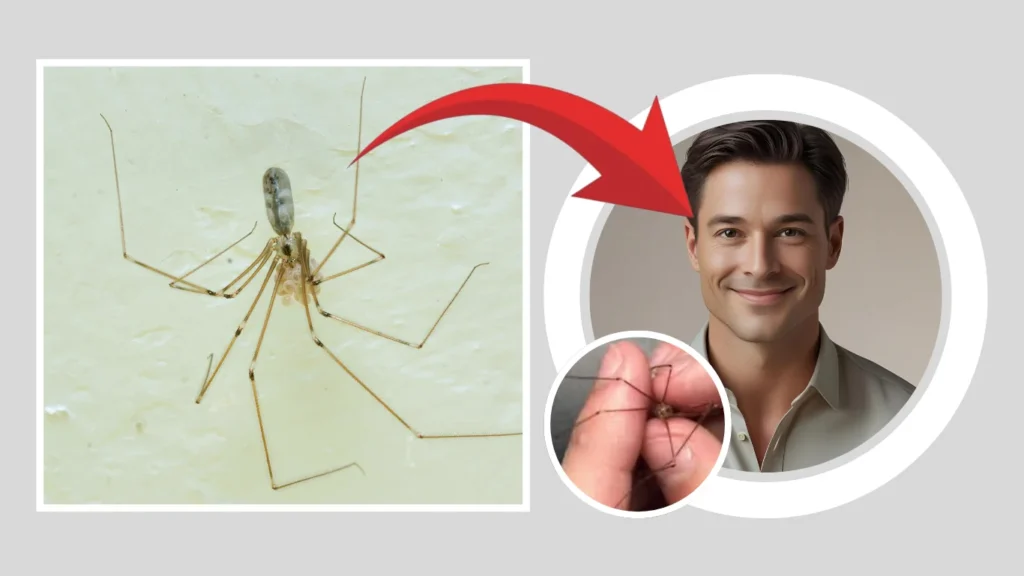
Yes, Cellar Spiders can bite, but it’s extremely rare. They are not aggressive and only bite in self-defense, such as when they are pressed against the skin. Even if they do bite, it usually causes no pain or only a very mild irritation.
Can Cellar Spiders Bite
Technically, yes—Cellar Spiders can bite, as they have small fangs. However, their fangs are not strong enough to pierce human skin easily. In most cases, their bite would go unnoticed, and there are no reports of serious medical issues resulting from a Cellar Spider bite.
Can Cellar Spiders Bite Humans
Yes, they can bite humans, but it’s very uncommon. If a bite does occur, it’s typically harmless, and most people don’t experience any symptoms at all. In rare cases, there may be mild redness or itching
Where Do Cellar Spiders Live?
Can Cellar Spiders Live Outside
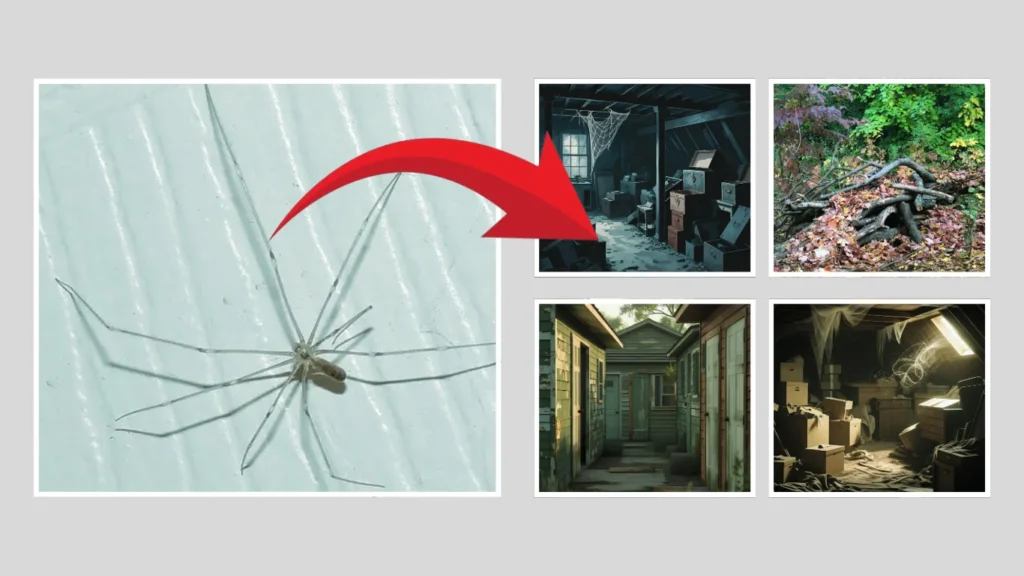
Yes, Cellar Spiders can live outside, but they prefer dark, damp, and sheltered environments. Outdoors, they may be found under decks, in woodpiles, crawl spaces, or in shaded corners of buildings. However, they are more commonly seen indoors, where conditions are stable and food sources are reliable.
Do Cellar Spiders Live in Ohio
Yes, Cellar Spiders are common in Ohio and throughout much of the United States. They adapt well to indoor environments, especially in basements, garages, and sheds. Ohio’s climate provides many of the cool and humid conditions that Cellar Spiders favor.
What Do Cellar Spiders Eat?
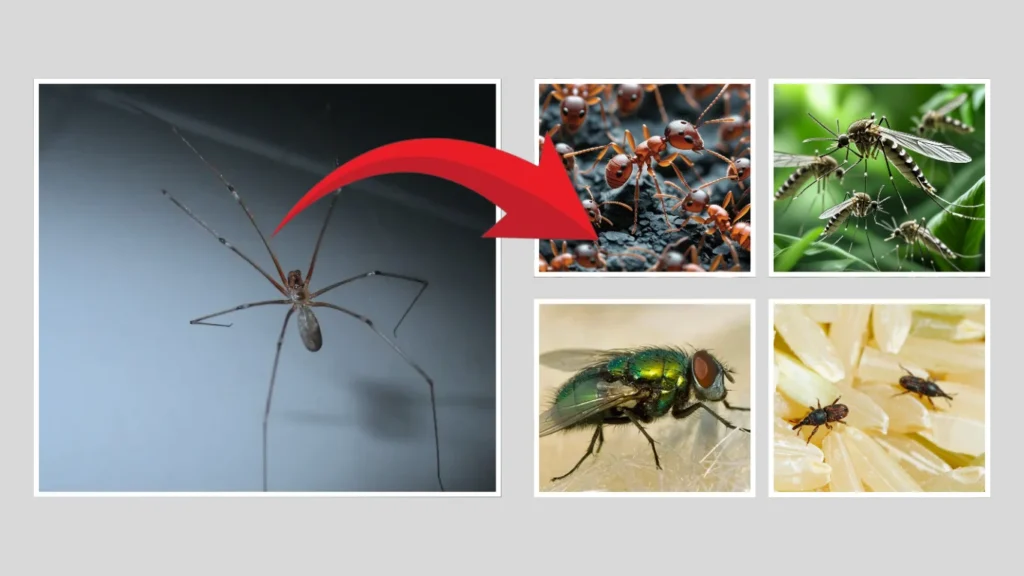
Cellar Spiders primarily eat small insects and other spiders. Their diet includes ants, mosquitoes, flies, and various household pests. They are opportunistic hunters and will eat almost anything that gets caught in their web.
Do Cellar Spiders Eat Other Spiders
Yes, Cellar Spiders are known to eat other spiders, including species larger than themselves. They are skilled predators and often invade the webs of other spiders to capture them as prey.
Do Cellar Spiders Eat Black Widows
Surprisingly, yes. Cellar Spiders have been observed attacking and eating Black Widows. They use their long legs to keep a safe distance while delivering venom, making them effective predators of even dangerous spiders.
Do Cellar Spiders Eat House Spiders
Yes, Cellar Spiders may eat house spiders if they share the same space. They will often take over the webs of house spiders and feed on them if given the opportunity.
Do Cellar Spiders Eat Brown Recluse Spiders
There are reports and observations suggesting that Cellar Spiders may eat Brown Recluse Spiders. However, this behavior is less commonly documented than with Black Widows. Still, their predatory behavior makes it possible.
Do Cellar Spiders Have Venom
Yes, Cellar Spiders do have venom, which they use to immobilize their prey. However, their venom is weak and not harmful to humans. It’s strong enough to subdue insects and smaller spiders but poses no danger to people.
How to Get Rid of Cellar Spiders

To get rid of Cellar Spiders, start by reducing their hiding places. Clean and declutter dark corners, basements, garages, and storage areas. Use a vacuum to remove spiders, webs, and egg sacs. Sealing cracks and gaps in windows, doors, and foundations can prevent them from entering your home. A dehumidifier can also help, as they prefer moist environments. For long-term control, regular cleaning and occasional use of spider-repellent sprays can be effective.
How to Get Rid of Cellar Spiders in the House
Inside the house, focus on maintaining cleanliness and minimizing humidity. Vacuum corners, ceilings, behind furniture, and storage rooms regularly. Use natural deterrents like vinegar sprays or essential oils (peppermint, tea tree, or citrus). Installing door sweeps and weather stripping can help block entry points. If the infestation is significant, consider using insecticide sprays labeled for indoor spiders or consult a pest control professional.