Think you’ve seen the biggest spider in your house? Chances are, it was a Giant House Spider. These fast-moving, long-legged arachnids often stir up fear—but how dangerous are they really? Can they bite? Do they help with pests? Whether you’re curious, cautious, or downright creeped out, this guide answers 45 of the most common questions people ask about giant house spiders—so you can stop guessing and start understanding.
Basic FAQs

What Is a Giant House Spider
The Giant House Spider (Eratigena atrica) is a large, fast-moving spider commonly found in homes, especially in Europe and parts of North America. Despite their size and intimidating speed, they are harmless to humans and play a beneficial role by hunting smaller insects indoors.
Where Do Giant House Spiders Live
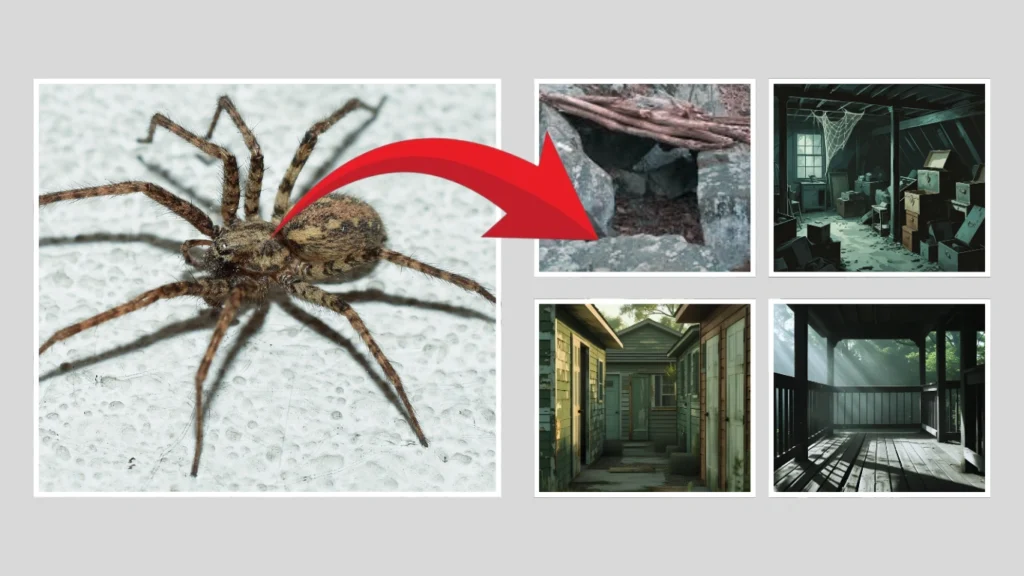
Giant House Spiders prefer dark, quiet, and undisturbed areas like basements, attics, crawl spaces, sheds, and behind furniture. They’re often found in human structures because indoor environments provide warmth, shelter, and access to food.
Where Are Giant House Spiders Found
They are primarily found across Europe and parts of North America. In the UK, they are among the most common indoor spiders. They tend to thrive in homes and buildings, especially during cooler months when they seek warmth.
Where Does the Giant House Spider Live

This spider species typically lives indoors but can also be found in garden sheds, garages, under logs, or beneath stones. Inside homes, they build flat, sheet-like webs in hidden corners or low-traffic areas.
Are Giant House Spiders Territorial
Giant House Spiders are not aggressively territorial, but they may defend their webs if another spider intrudes. Males often wander during mating season and are less concerned with territory than finding a mate.
When Do Giant House Spiders Come Out
These spiders are most commonly seen from late summer to early autumn (August to October), which is their mating season. During this time, males leave their webs and roam in search of females, making them more visible indoors.
How Do Giant House Spiders Get In
They enter homes through small gaps, vents, windows, doors, or cracks in the foundation. Attracted by warmth and shelter, they often sneak inside when outdoor temperatures drop, especially in the fall.
FAQs About Dangers to Humans and Pets
Are Giant House Spiders Dangerous
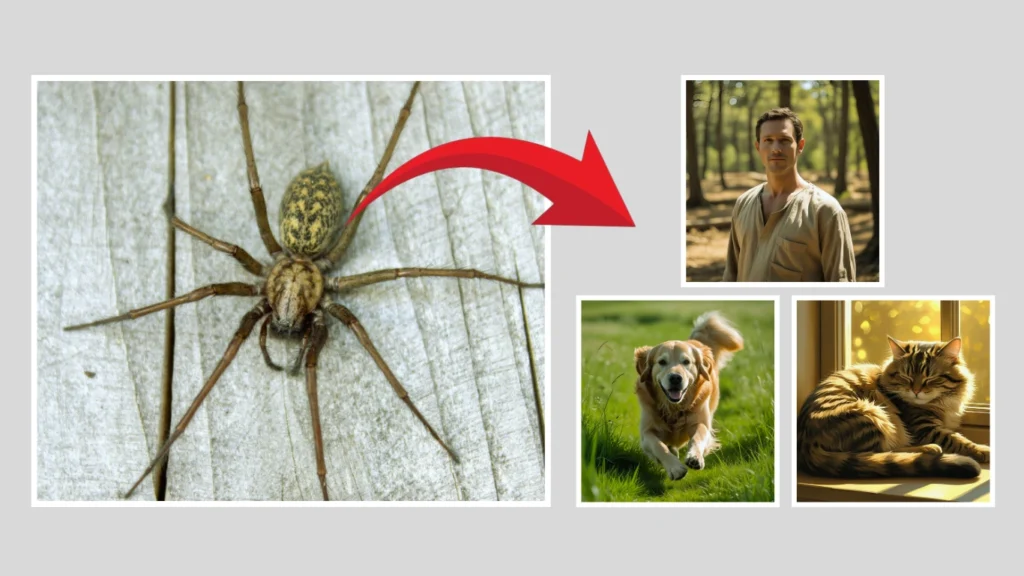
No, Giant House Spiders are not considered dangerous to humans. While their size and speed can be intimidating, they are shy creatures that prefer to avoid confrontation. They rarely bite and are generally harmless.
Are Giant House Spiders Dangerous to Humans

Giant House Spiders pose no real threat to humans. They do not attack or behave aggressively toward people, and their venom is not medically significant. Most encounters result in the spider fleeing, not biting.
Are Giant House Spiders Dangerous to Dogs
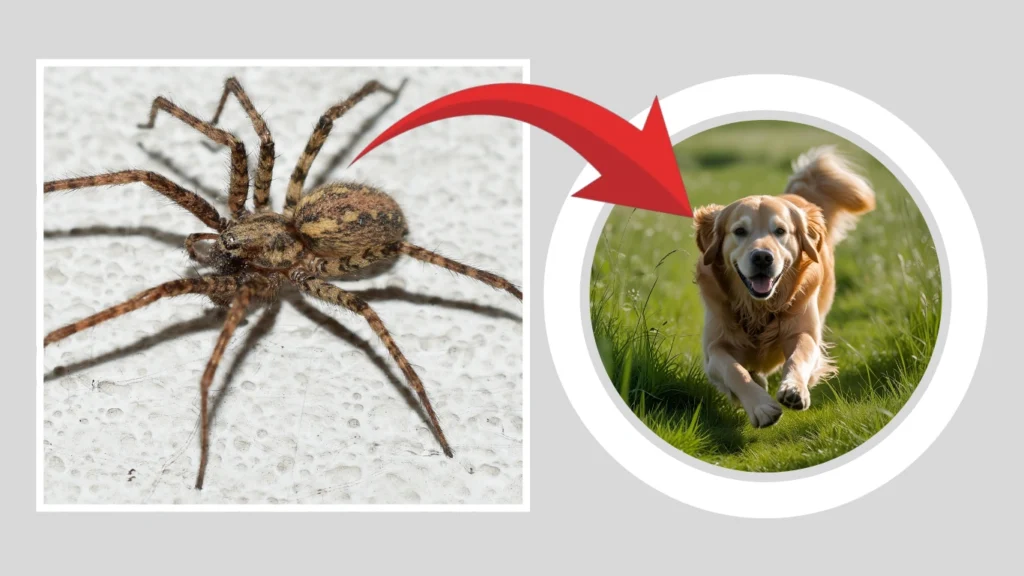
No, they are not dangerous to dogs. Even if a dog disturbs or eats one, the spider’s venom is too weak to cause harm. Most pets are unaffected by these spiders.
Are Giant House Spiders Dangerous to Cats
No, cats are generally safe around Giant House Spiders. In fact, cats often hunt them for fun. The spider’s venom and behavior do not pose a risk to feline health.
Can Giant House Spiders Hurt You
In practical terms, no. Although they have fangs and venom like most spiders, they are not strong or aggressive enough to cause harm to humans. If they do bite, symptoms are mild or nonexistent.
Would Giant Spiders Attack Humans
Giant House Spiders do not attack humans. They are defensive, not offensive. If threatened, they may retreat, freeze, or attempt to escape rather than bite.
Should I Kill Giant House Spider
It’s not necessary to kill them. Giant House Spiders help control other household pests like flies and moths. If you prefer not to have them around, it’s better to gently relocate them outdoors.
Should I Leave Giant House Spiders Alone
Yes, in most cases, leaving them alone is fine. They’re not harmful, and they contribute to natural pest control. If they’re in an inconvenient spot, gently move them outside using a container.
FAQs About Bites and Venom
Do Giant House Spiders Bite
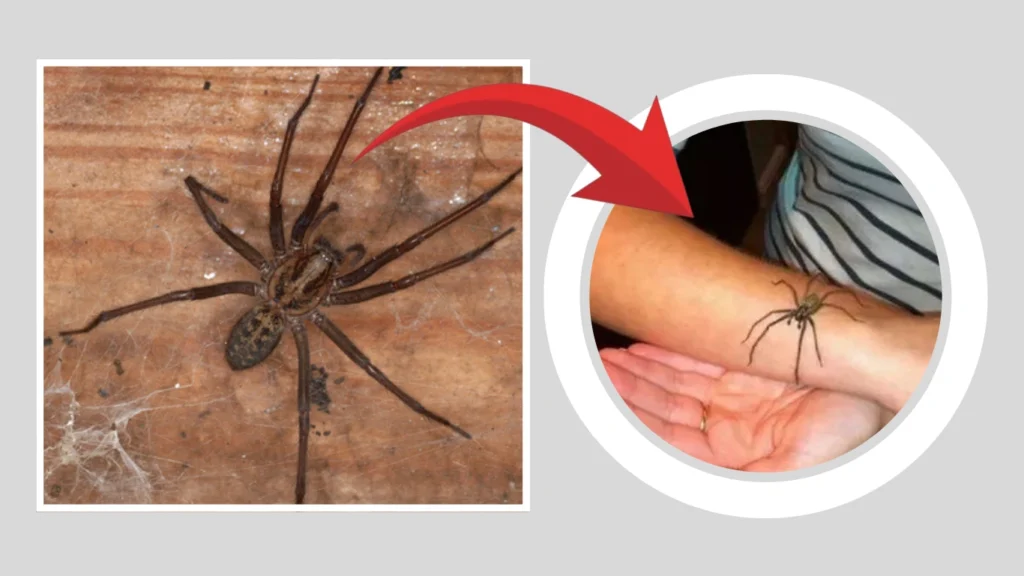
Yes, Giant House Spiders can bite, but it’s extremely rare. They are not aggressive and typically only bite if they feel directly threatened, such as being trapped against the skin.
Can Giant House Spiders Bite
Yes, they have fangs and the ability to bite, but their natural behavior is to avoid contact. They are more likely to run than bite when disturbed.
Can Giant House Spiders Bite You

Yes, but it is very unlikely. Their bites are not considered dangerous and often go unnoticed or cause only slight redness or irritation.
Does Giant House Spider Bite
Yes, a Giant House Spider can bite under pressure or when handled roughly, but the bite is harmless in most cases.
Do Giant House Spiders Bite UK
Yes, they can bite in the UK or anywhere else they are found, but the risk remains very low. The bite is not medically significant.
Can Giant House Spiders Bite UK
Yes, the spiders found in the UK are the same species and can bite, though it is extremely uncommon and usually not harmful.
Is a Giant House Spider Poisonous

No, Giant House Spiders are not poisonous. “Poisonous” typically refers to something harmful when eaten or touched. These spiders are venomous to their prey but not poisonous to humans or pets.
Are Giant House Spiders Poisonous
No, they are not poisonous to humans or animals. Their venom is mild and not capable of causing serious reactions in people.
Are Giant House Spiders Venomous
Yes, they are venomous, like most spiders. They use venom to subdue small prey, but it has no harmful effect on humans.
Is Giant House Spider Venomous
Yes, technically they are venomous, but their venom is not dangerous to humans. Their bite may feel like a mild insect sting, if anything at all.
Can a Giant House Spider Kill You
No, Giant House Spiders cannot kill you. Their venom is not potent enough to cause serious harm, and fatal reactions are unheard of.
Does a Giant House Spider Bite Hurt
Most people feel nothing or only a light prick if bitten. Some might experience minor itching or redness, but it usually resolves quickly without treatment.
How Bad Is a Giant House Spider Bite
The bite is very mild. At worst, it may cause slight swelling or irritation, similar to a mosquito bite. It is not considered medically important.
What Does a Giant House Spider Bite Look Like
If a bite occurs, it may look like a small red bump or a slightly raised spot on the skin. There’s rarely any serious inflammation, and symptoms usually go away on their own.
FAQs About Appearance and Size

How Big Do Giant House Spiders Get
Giant House Spiders can have a leg span of up to 4 inches (10 cm), though their bodies are usually around 0.7 to 0.8 inches (1.8 to 2 cm) long. Males typically appear larger due to their long legs.
How Big Is a Giant House Spider UK
In the UK, Giant House Spiders are among the largest spiders found indoors. Their leg span can reach up to 10 cm, making them one of the most noticeable spiders in homes.
How Big Is Giant House Spider
The average adult Giant House Spider has a body length of about 2 cm and a leg span ranging from 7 to 10 cm, depending on the individual and environmental factors.
How Big Can Giant House Spiders Get
While most are in the 7–10 cm range for leg span, some exceptional individuals can grow slightly larger. However, they rarely exceed this in typical household conditions.
What Does a Giant House Spider Look Like
They have a dark brown body, hairy legs, and sometimes faint markings on the abdomen. Males have longer legs and slimmer bodies, while females are more robust and generally remain hidden in webs.
How Many Eyes Does a Giant House Spider Have
Giant House Spiders have eight eyes arranged in two horizontal rows. Their eyesight is poor, and they rely more on vibrations and touch to navigate and locate prey.
FAQs About Movement and Abilities

Can Giant House Spiders Climb Walls
Yes, Giant House Spiders can climb walls. Their legs are equipped with tiny claws and hairs that help them grip smooth surfaces like painted walls and tiles.
Do Giant House Spiders Climb Walls
Yes, they frequently climb walls in search of shelter, food, or mates. It’s not uncommon to see them in upper corners of rooms or ceilings.
Can Giant House Spiders Jump
No, Giant House Spiders are not known for jumping. Unlike jumping spiders, they rely on speed to escape threats rather than leaping.
Do Giant House Spiders Jump
No, they do not jump. If startled, they may move quickly, but they do not have the ability or anatomy to jump like some other spider species.
FAQs About Diet and Hunting
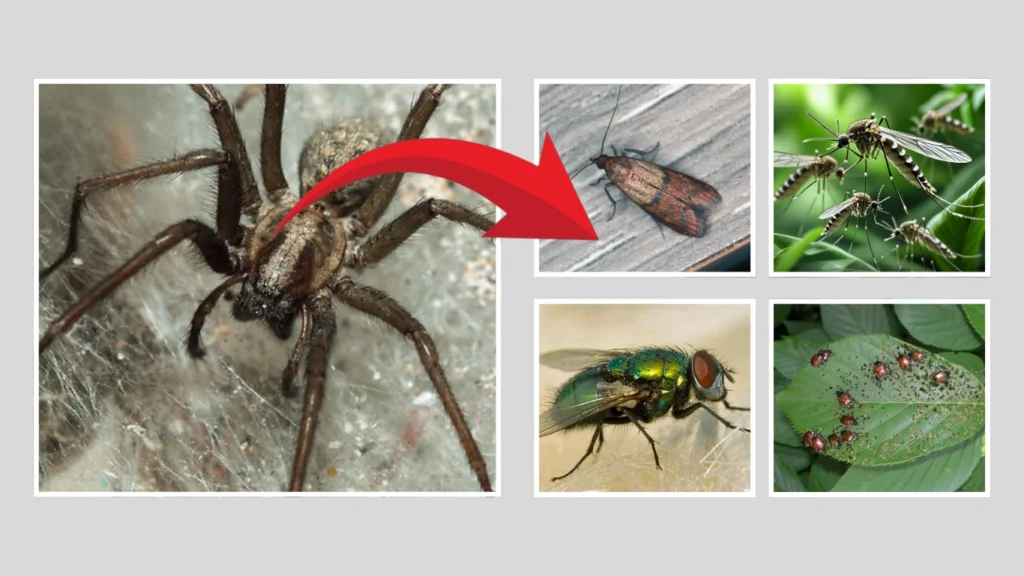
What Do Giant House Spiders Eat
Giant House Spiders feed on a variety of insects and small arthropods that get trapped in their webs. Their diet includes flies, moths, mosquitoes, beetles, and even other spiders. They help reduce indoor insect populations, acting as natural pest control.
What Does Giant House Spider Eat
The Giant House Spider primarily eats whatever small bugs it can trap—flying insects are common prey. They wait in their sheet-like web and react quickly to vibrations when prey is caught, using venom to immobilize it before feeding.
Do Giant House Spiders Eat Other Spiders
Yes, they do. Giant House Spiders are opportunistic predators and may feed on smaller or similarly sized spiders if they enter their territory or web. This includes both web-building and wandering spider species.
Do Giant House Spiders Eat Ants
Occasionally, yes. If an ant gets trapped in their web, the spider may consume it. However, ants are not their preferred food source since they can fight back and are more difficult to subdue than softer-bodied insects.
FAQs About Webs, Fangs, and Features

Do Giant House Spiders Make Webs
Yes, Giant House Spiders build flat, sheet-like webs, usually in corners, under furniture, or in undisturbed areas like basements and sheds. These webs are not sticky but are designed to entangle prey that walks or falls onto them. The spider usually hides in a tunnel at the edge of the web and rushes out when it detects vibrations.
Do Giant House Spiders Have Fangs
Yes, like all spiders, Giant House Spiders have fangs. These are used to inject venom into their prey. The fangs are short and downward-pointing. They are not well-suited for penetrating human skin, which is why bites are rare and usually harmless.
Do Giant House Spiders Have Venom
Yes, they do. Their venom is used to paralyze or kill small insects and spiders. However, their venom is not dangerous to humans or pets. In most cases, it causes no symptoms or only very mild irritation if a bite occurs.
Do Giant House Spiders Have Webs
Yes, they are web-building spiders. Their webs are used for both shelter and hunting. The web is built close to the ground or in low-traffic areas, and it remains in place long-term, unlike orb-weavers who rebuild webs daily.
FAQs About Life Cycle and Prevention

How Long Do Giant House Spiders Live
Male Giant House Spiders typically live for about 1 year, often dying shortly after mating. Females can live longer—up to 2 to 3 years—especially in stable indoor environments with access to food and shelter.
How Long Does a Giant House Spider Live
On average, males live 12 to 18 months, while females may live several years if left undisturbed. Their lifespan depends on food availability, habitat conditions, and whether they face threats from predators or humans.
How to Get Rid of Giant House Spiders
To remove them, start by vacuuming visible spiders and their webs. Seal cracks and entry points around doors, windows, and walls. Keep your home clean and clutter-free, especially in corners and storage areas where spiders hide. Dehumidifiers can help too, as they prefer damp environments.
How to Get Rid of Giant House Spider UK
The method is the same: vacuum them up, seal entry points, and reduce indoor humidity. In the UK, these spiders are common in autumn, so extra prevention during late summer can reduce sightings. Insecticides are rarely needed and not recommended unless infestations are severe.
How to Prevent Giant House Spiders
Prevention starts with sealing gaps, installing window screens, and using door sweeps. Regular cleaning and removing old webs discourage them from staying. Reducing indoor lights at night can also limit the flying insects that attract spiders.
What Keeps Giant House Spiders Away
Strong smells like vinegar, peppermint oil, and citrus are known to repel spiders. Using these in spray form along baseboards and corners can help. Also, maintaining a dry, clutter-free space limits hiding spots.
What Attracts Giant House Spiders
They are drawn to warm, dark, and quiet environments with a steady food supply. Insects like flies, moths, and mosquitoes attract them, as do moist areas like bathrooms, basements, and kitchens.
Why Do Giant House Spiders Come Inside
Giant House Spiders often enter homes in late summer and fall, searching for mates, warmth, and food. As temperatures drop outside, indoor environments become ideal for shelter and survival.