
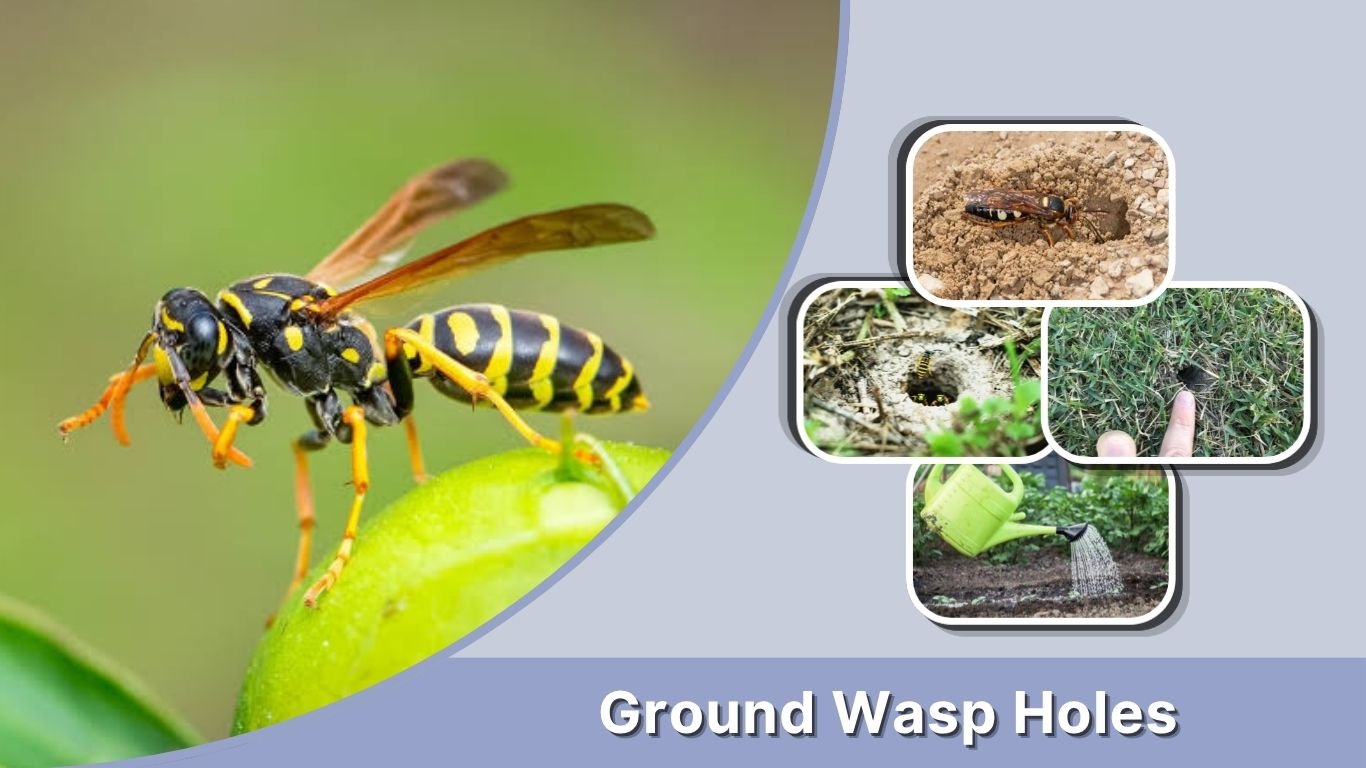
Ground Wasp Holes: Identification, Risks, and Safe Removal
Ground wasp holes can appear in lawns, gardens, flower beds, sandy soil, and along sidewalks or foundations. Some belong to solitary digger wasps that rarely … Read More
Ground wasp holes can appear in lawns, gardens, flower beds, sandy soil, and along sidewalks or foundations. Some belong to solitary digger wasps that rarely … Read More
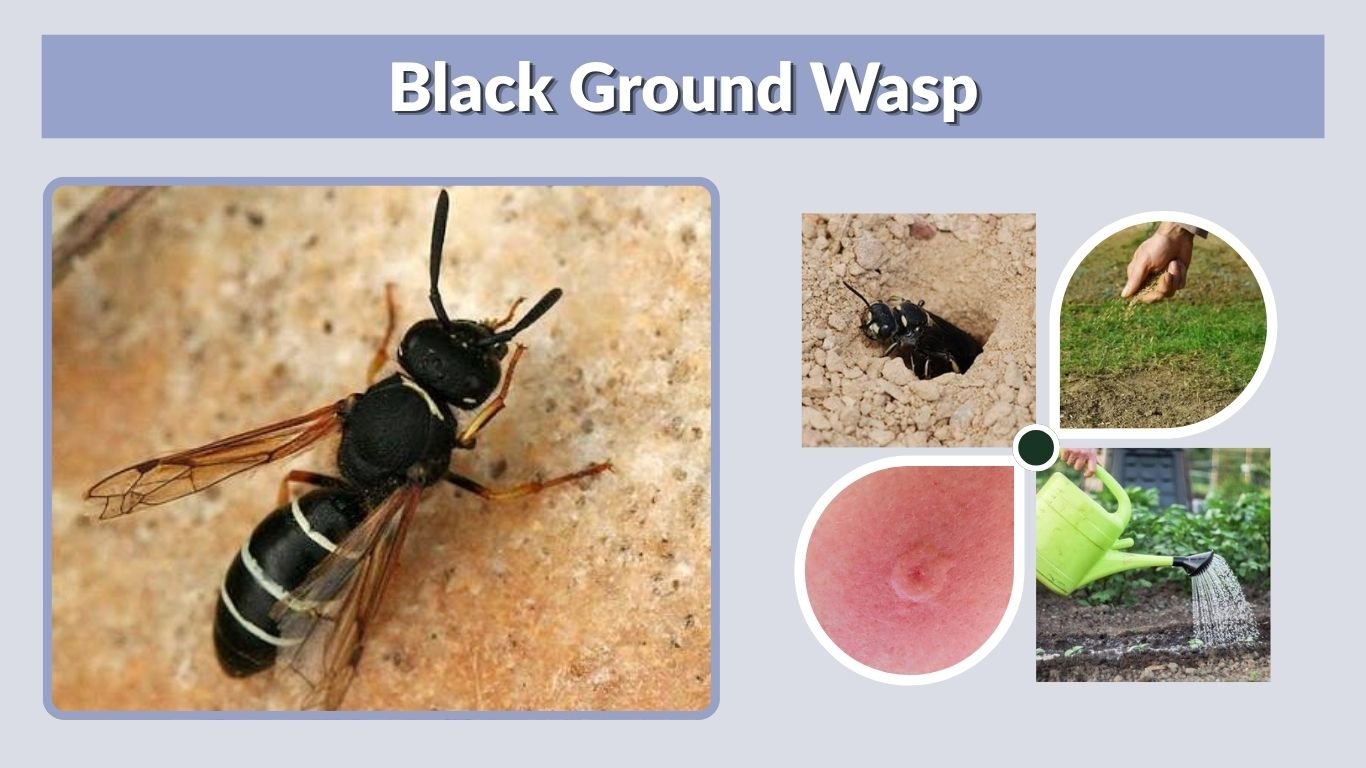
A black wasp flying close to the lawn or disappearing into a small hole can be alarming. However, “black ground wasp” is a general description … Read More
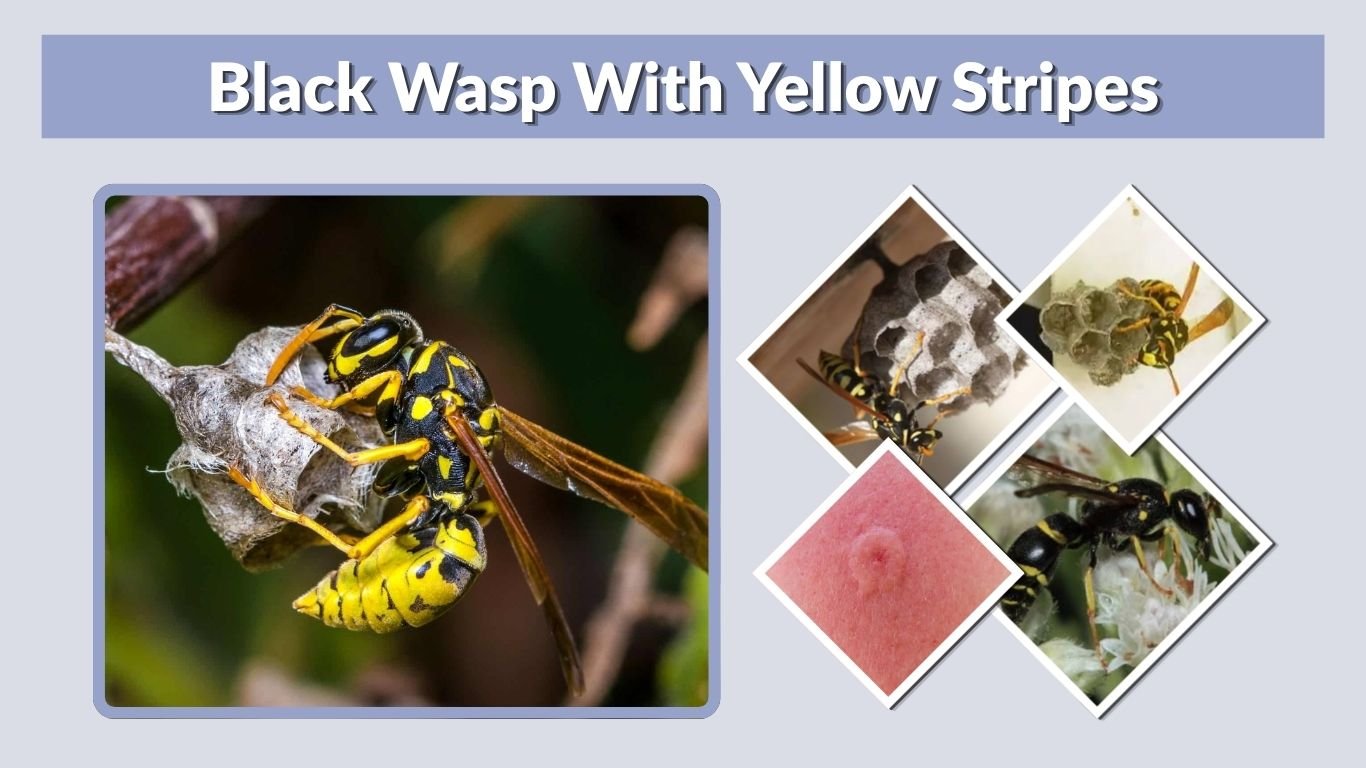
A black wasp with yellow stripes may be a yellowjacket, paper wasp, potter wasp, mason wasp, mud dauber, or another solitary hunting wasp. Color alone … Read More

Seeing a shiny blue bug that looks like a wasp can be surprising—and a little intimidating. Many people immediately assume it’s dangerous, especially because wasps … Read More

A big black wasp with blue wings can look intimidating, especially when it suddenly appears in your yard or garden. Many people describe it as … Read More

Blue-winged wasps are eye-catching insects known for their shimmering blue wings and bold body colors. While they often look intimidating, they are generally harmless and … Read More

Blue mud wasps often alarm people because of their striking metallic blue color and wasp-like appearance. Many assume they are aggressive or dangerous at first … Read More

Ground wasp nests are a common issue in yards, gardens, and outdoor spaces. Many people notice small holes in the ground or increased wasp activity … Read More

Ground dwelling wasps are a common sight in yards, gardens, and open spaces. Many people notice small holes in the soil or wasps flying low … Read More

Ground wasp nests are a common problem in lawns, gardens, and outdoor spaces. Many people notice small holes in the ground or wasps flying low … Read More