
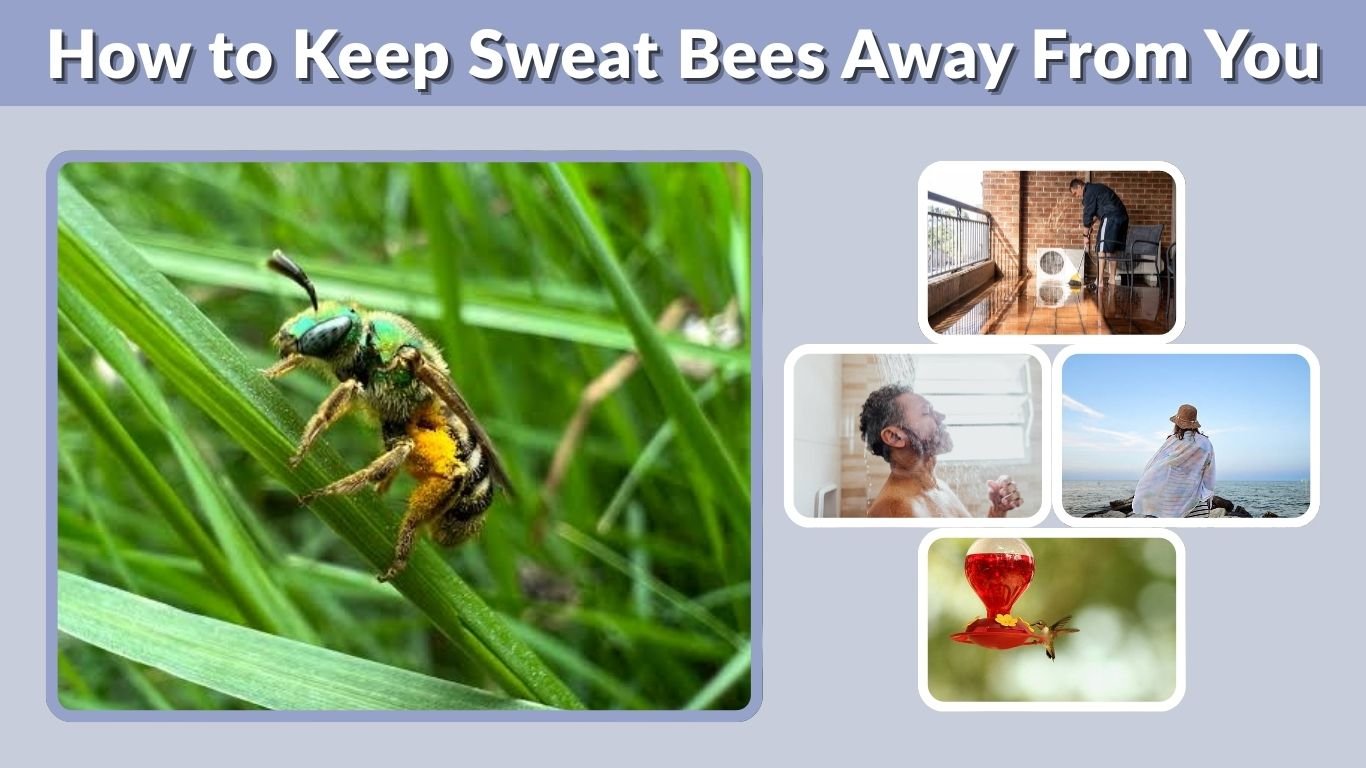
How to Keep Sweat Bees Away From You, Pools, and Porches
If tiny bees keep landing on your arms, legs, or face during hot weather, they may be sweat bees. These small bees belong to the … Read More
If tiny bees keep landing on your arms, legs, or face during hot weather, they may be sweat bees. These small bees belong to the … Read More
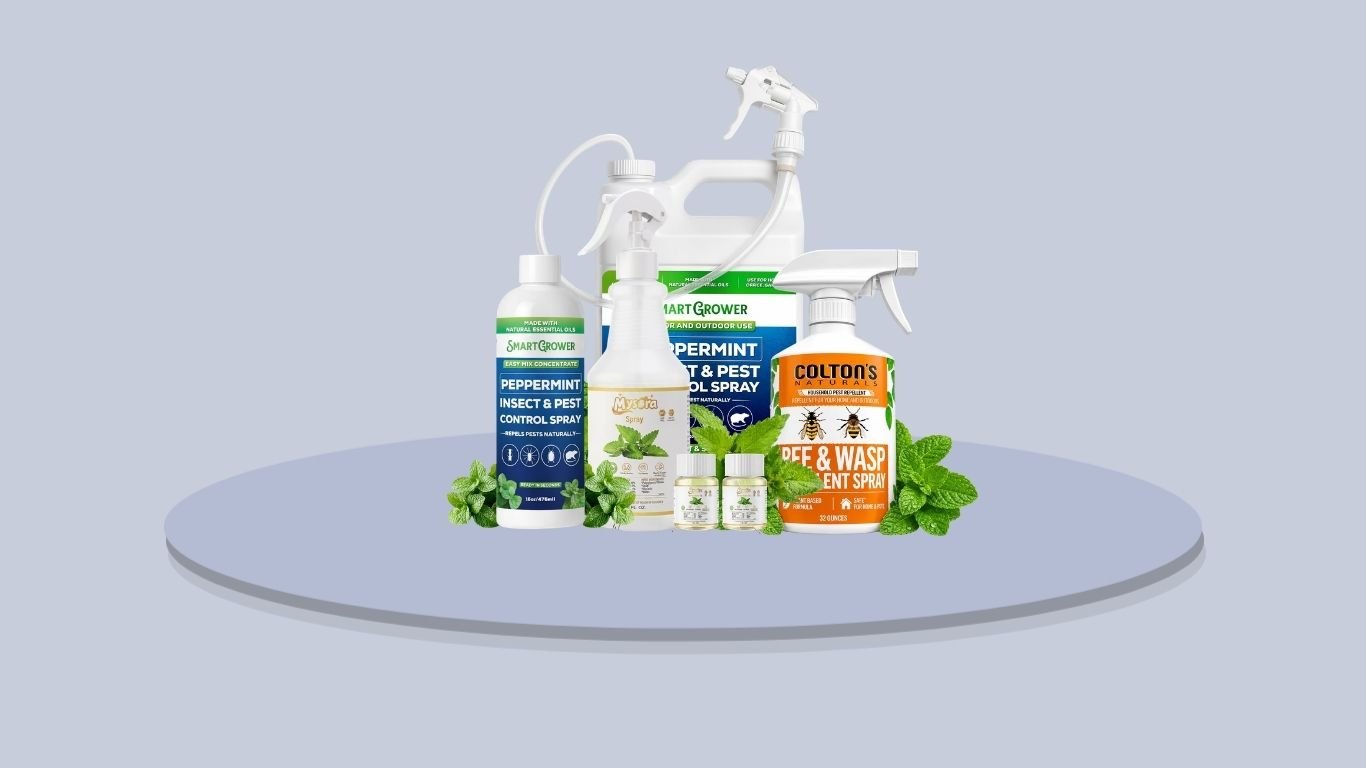
Peppermint-based sprays can be a practical option for discouraging wasps around patios, porches, sheds, gardens, and other outdoor spaces. Many formulas combine peppermint oil with … Read More
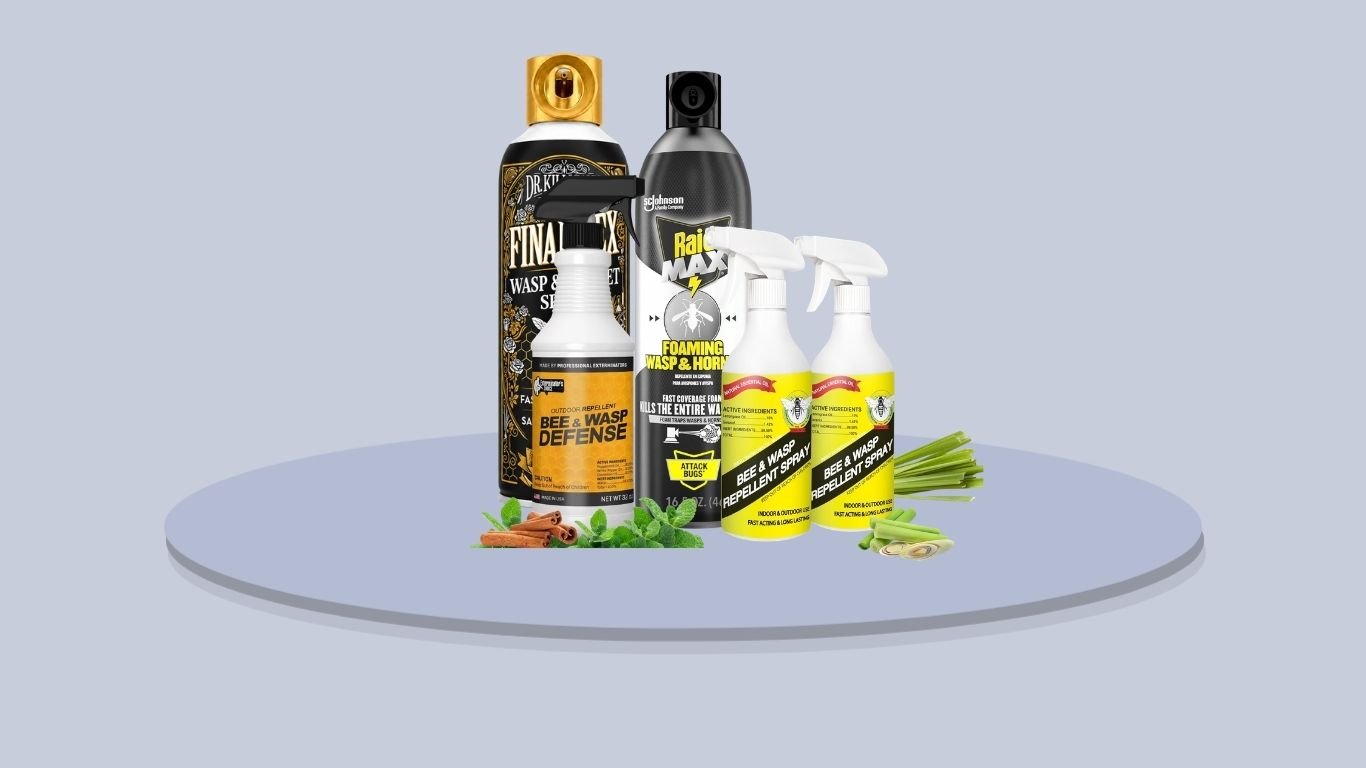
Wasps and hornets can become aggressive around nests, patios, garages, gardens, and other outdoor areas, making the right spray an important part of pest control. … Read More
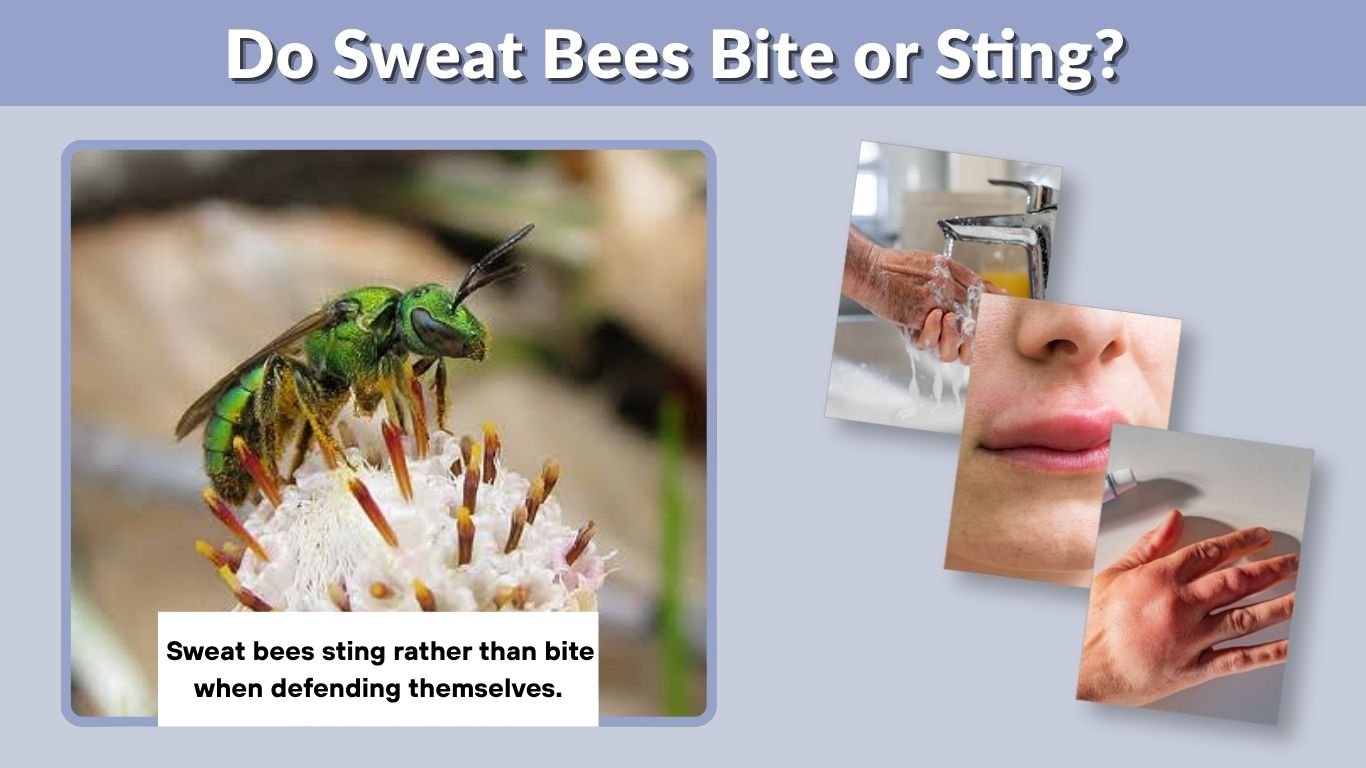
Sweat bees are small pollinators that often attract attention because they may land on sweaty skin during warm weather. This behavior leads many people to … Read More

Sticky wasp traps offer a simple way to capture wasps and other flying insects without relying on complicated equipment. The best options use strong adhesive … Read More
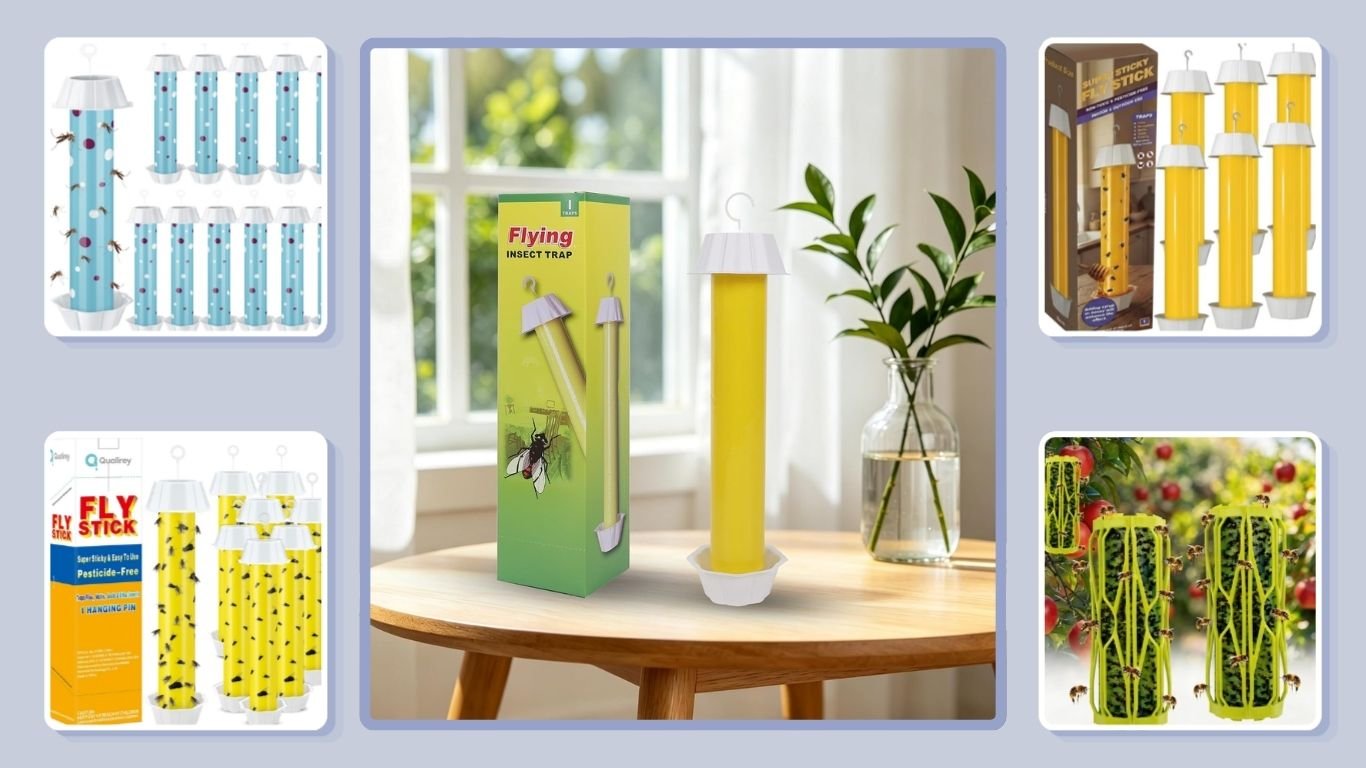
Indoor wasps can be difficult to manage, especially when they enter kitchens, garages, sunrooms, or other enclosed spaces. A reliable indoor wasp trap can help … Read More
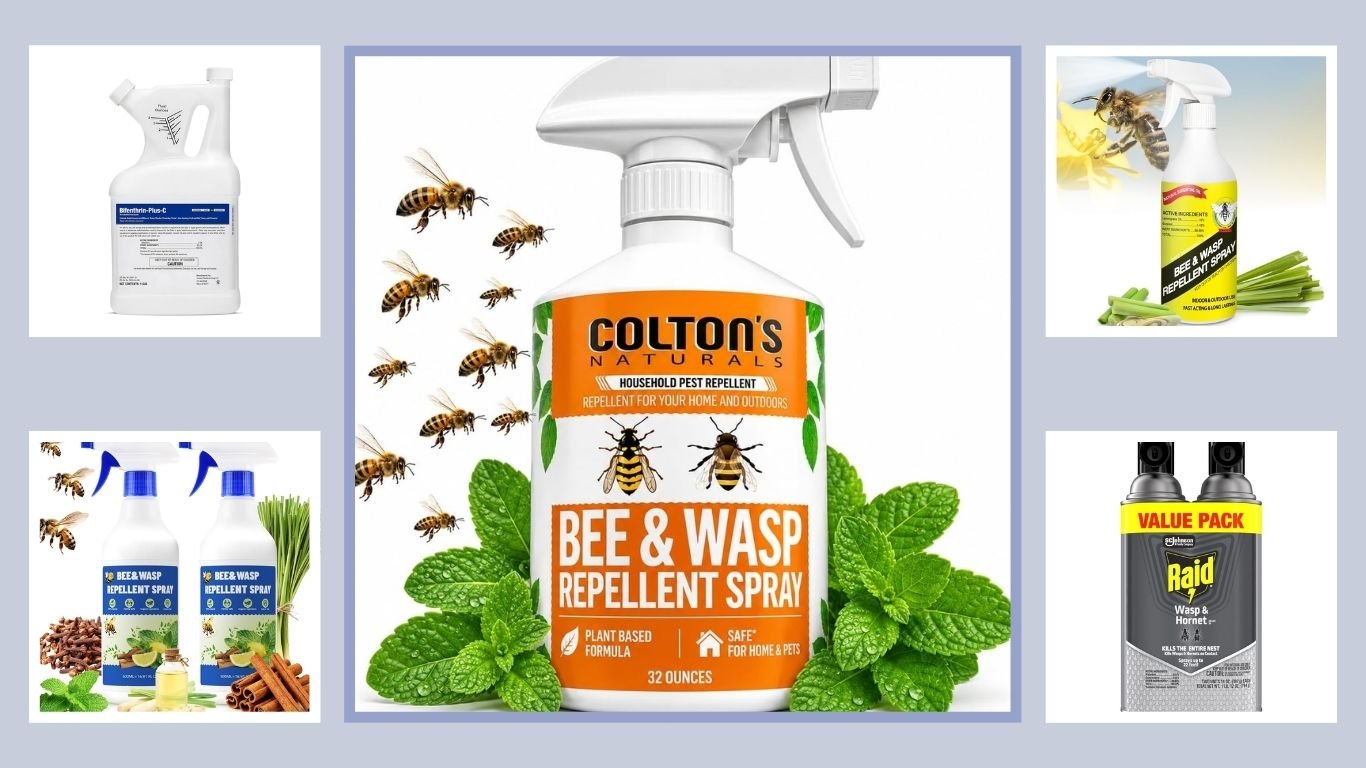
Finding the best wasp spray can make it much easier to control wasps, hornets, and other stinging insects around your home, patio, garden, or outdoor … Read More
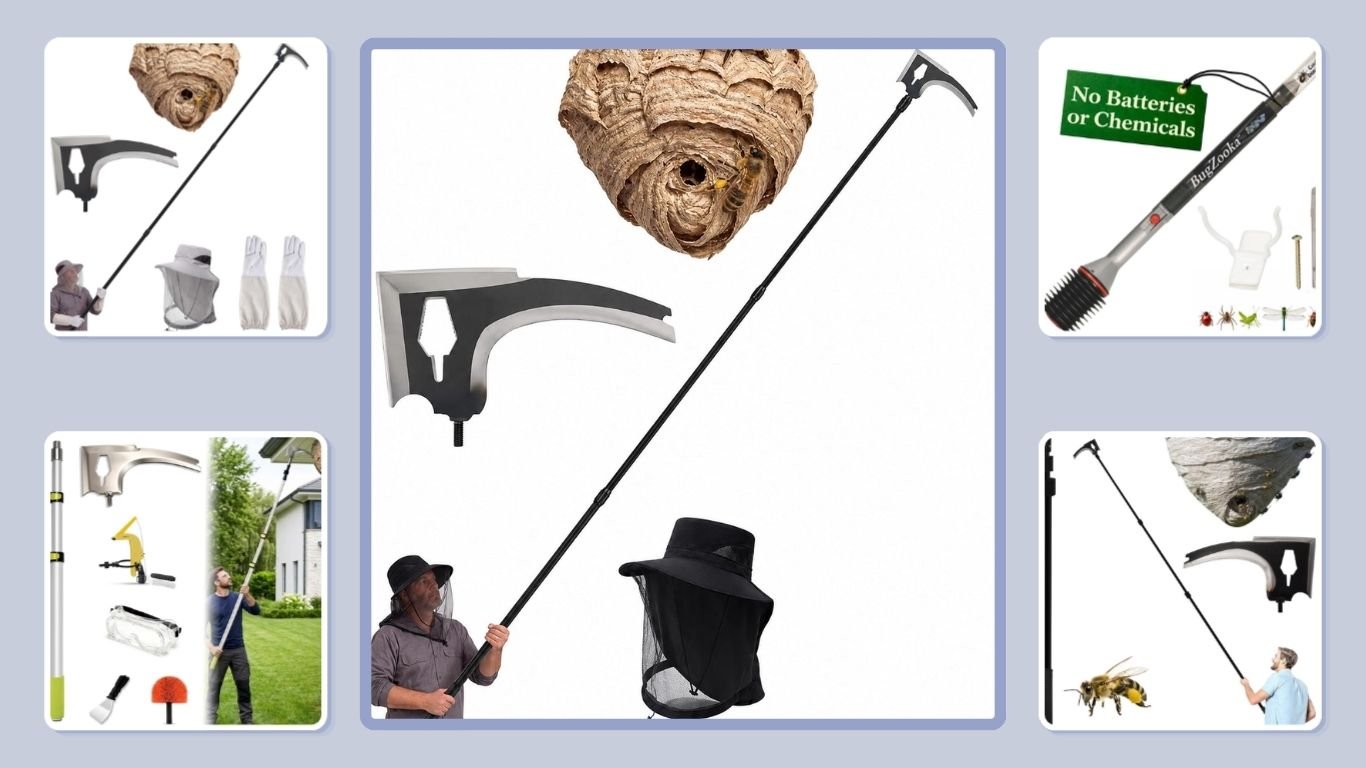
Using the best wasp nest removal tools can make it easier to remove nests, scrape away old buildup, and handle unwanted wasp activity around your … Read More
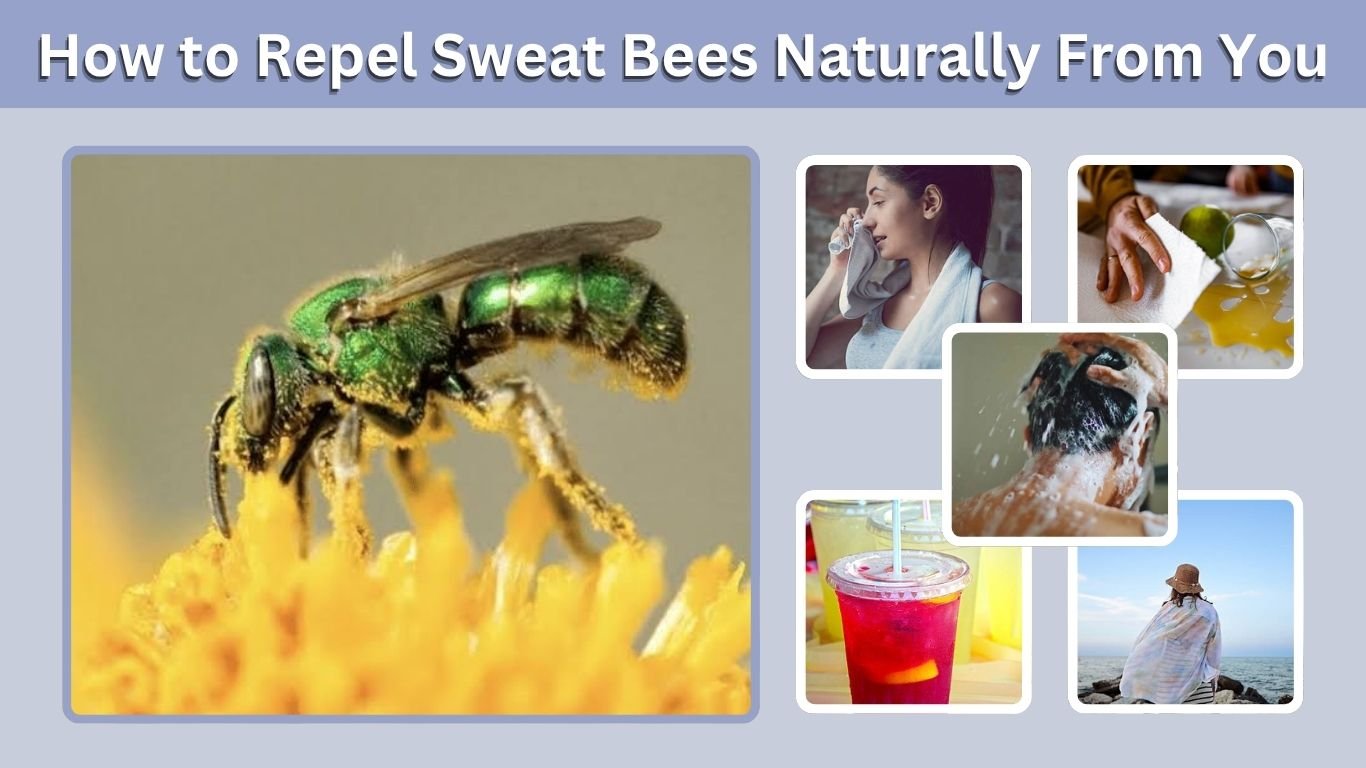
Sweat bees are small pollinating bees that sometimes become annoying because they are attracted to perspiration and the salts on human skin. They usually are … Read More
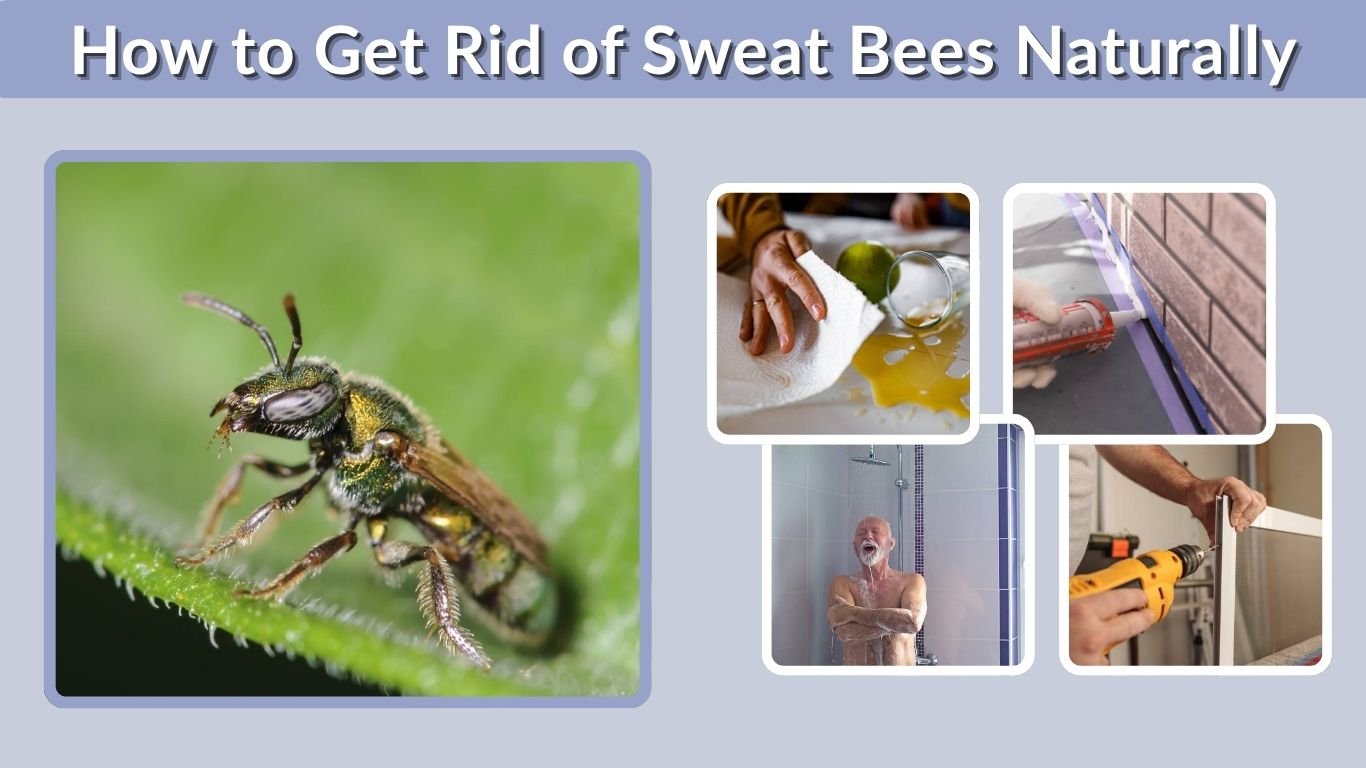
Sweat bees can become annoying when tiny bees repeatedly land on your arms, legs, or face during hot weather. They are attracted to the salts … Read More