
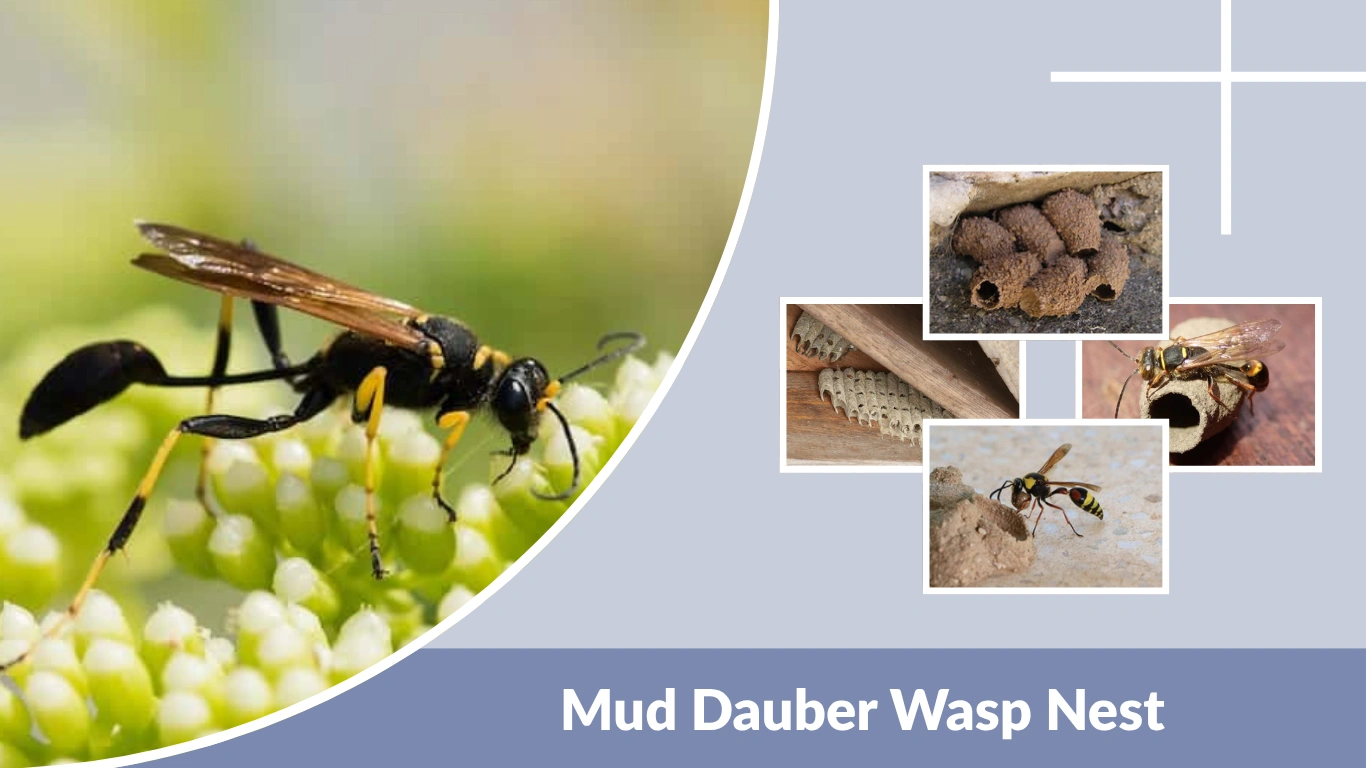
Mud Dauber Wasp Nest: Identification, Removal, and Facts
Mud dauber wasps are known for their unique craftsmanship — building intricate clay nests that serve as both nursery and protection for their young. Unlike … Read More
Mud dauber wasps are known for their unique craftsmanship — building intricate clay nests that serve as both nursery and protection for their young. Unlike … Read More

Mud daubers and wasps are often mistaken for one another due to their similar body shapes and flying habits, but they differ greatly in temperament, … Read More

The black and yellow mud dauber wasp is one of nature’s most fascinating solitary hunters. Recognized by its slender body and bright markings, this wasp … Read More

The blue mud dauber wasp is one of the most distinctive and beneficial wasps found in North America. Known for its metallic-blue body and calm … Read More
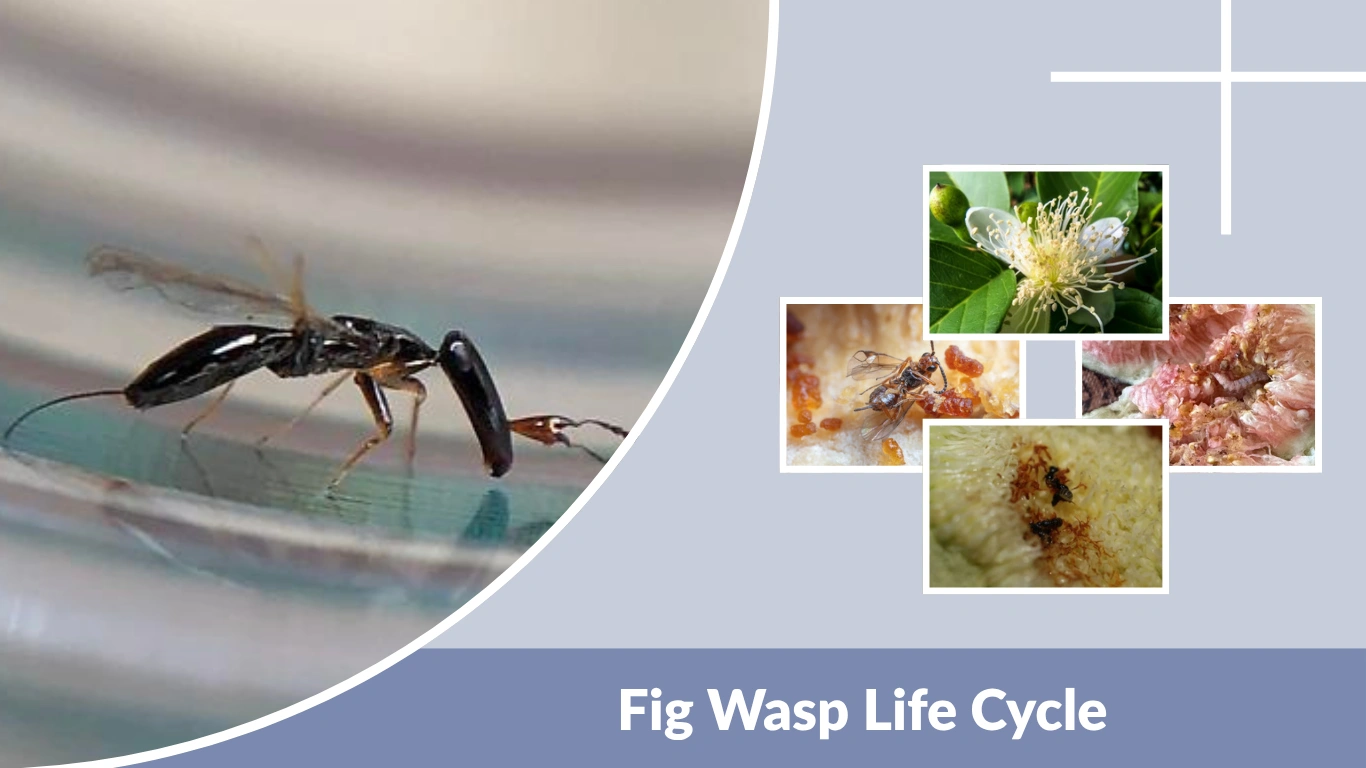
The fig wasp’s life cycle represents one of nature’s most intricate partnerships. These minute insects, often no larger than a pinhead, live almost their entire … Read More

The fig wasp is one of nature’s most extraordinary insects, celebrated for its vital role in pollinating fig trees. These wasps are tiny, often invisible … Read More
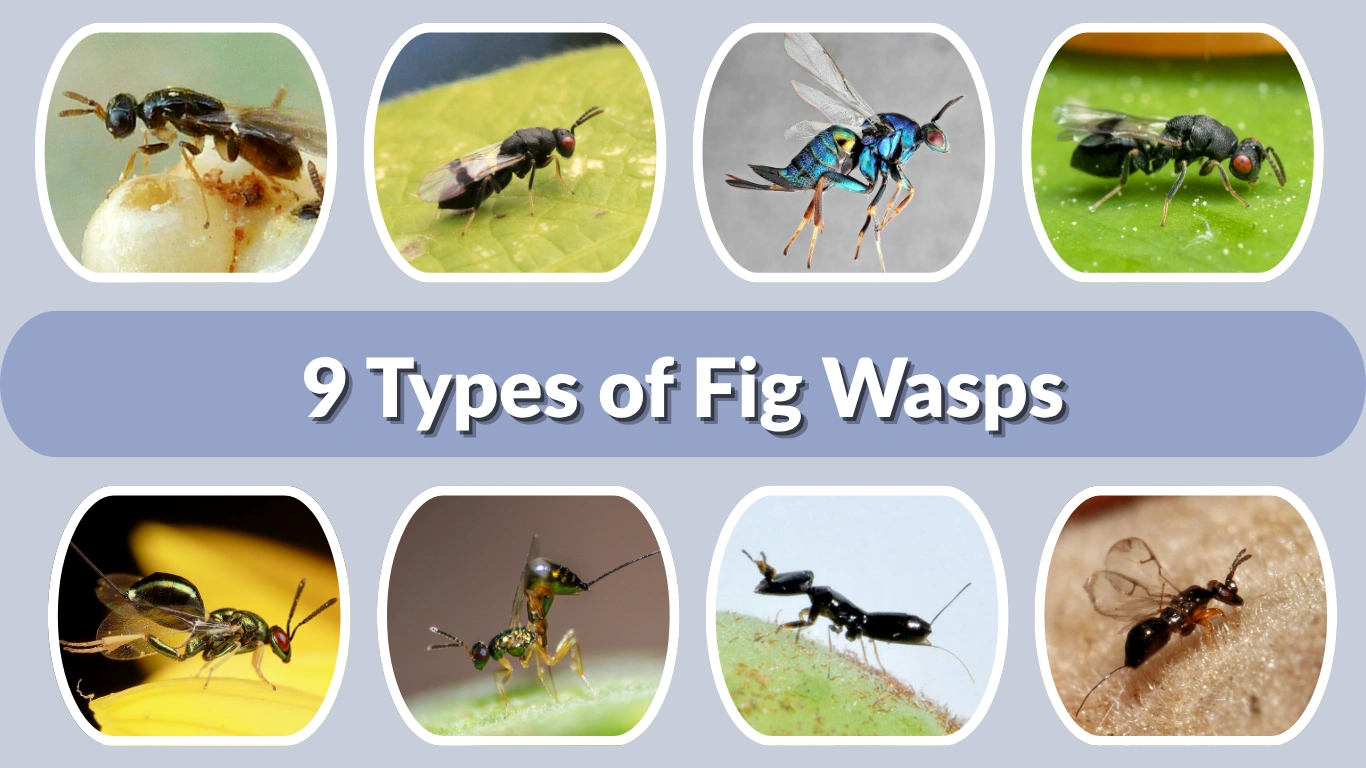
The fig wasp world is remarkably diverse, encompassing species that pollinate figs and others that live parasitically within them. Each type plays a unique role … Read More
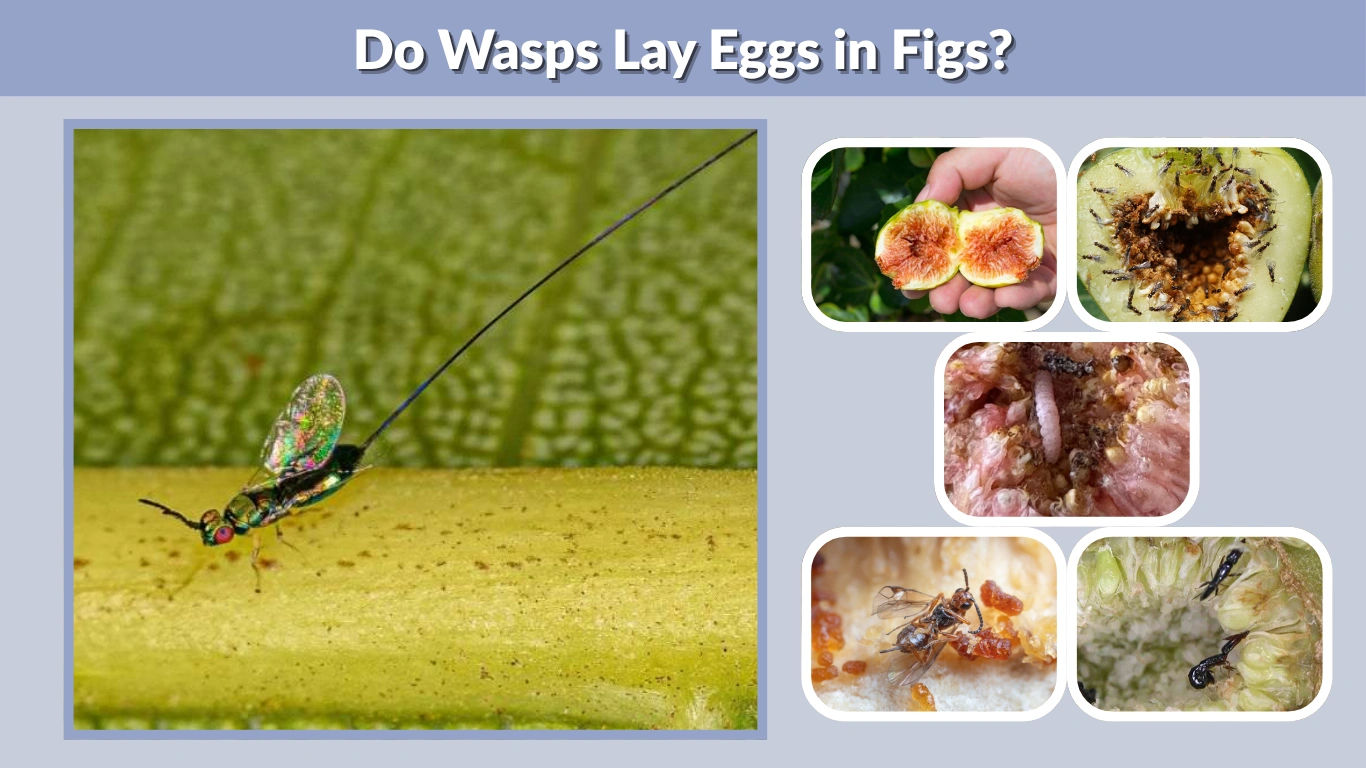
Figs have long intrigued both scientists and fruit lovers for their unusual structure and fascinating relationship with fig wasps. A common myth claims that the … Read More
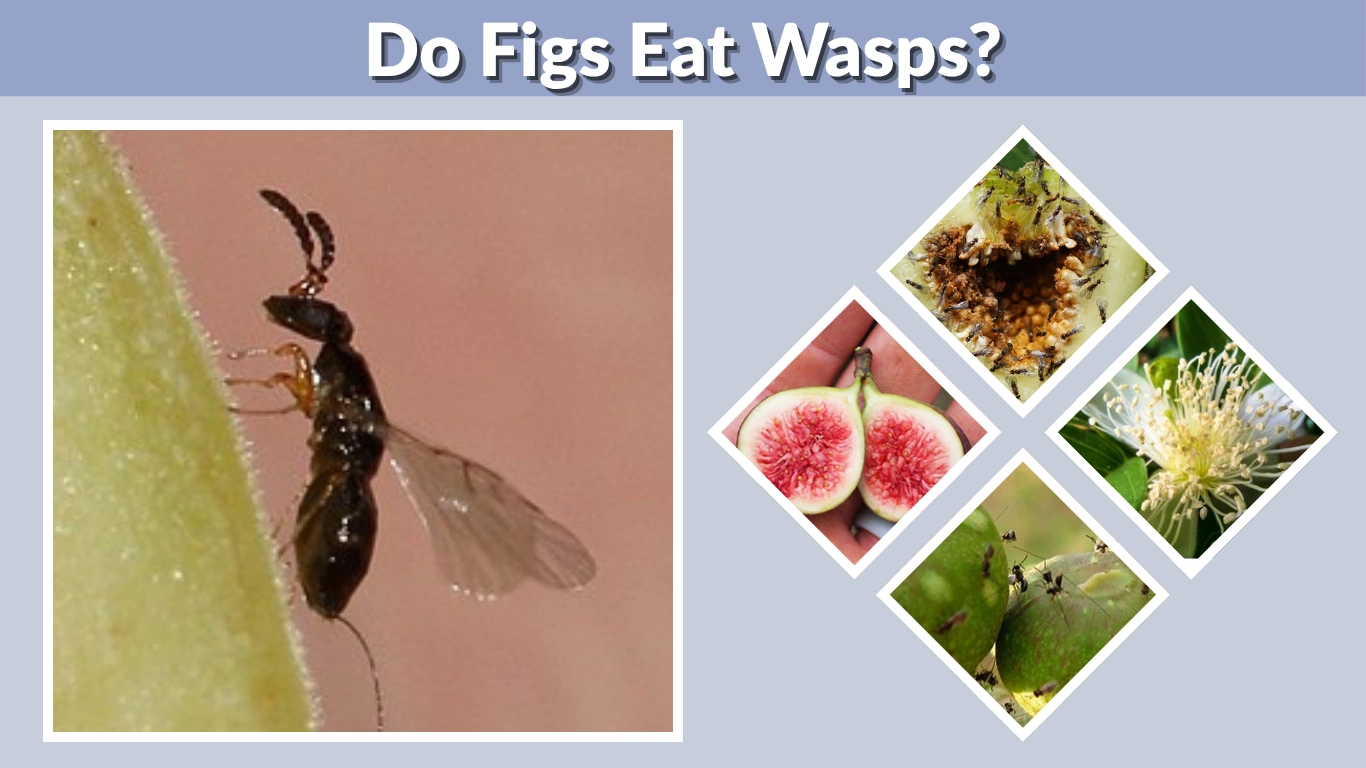
The idea that figs “eat” wasps or that we unknowingly consume insects when eating figs has intrigued and unsettled many people. It’s a myth rooted … Read More

A fascinating example of interdependence in nature, the fig tree and fig wasp relationship illustrates the beauty of coevolution. Each species has evolved to rely … Read More