
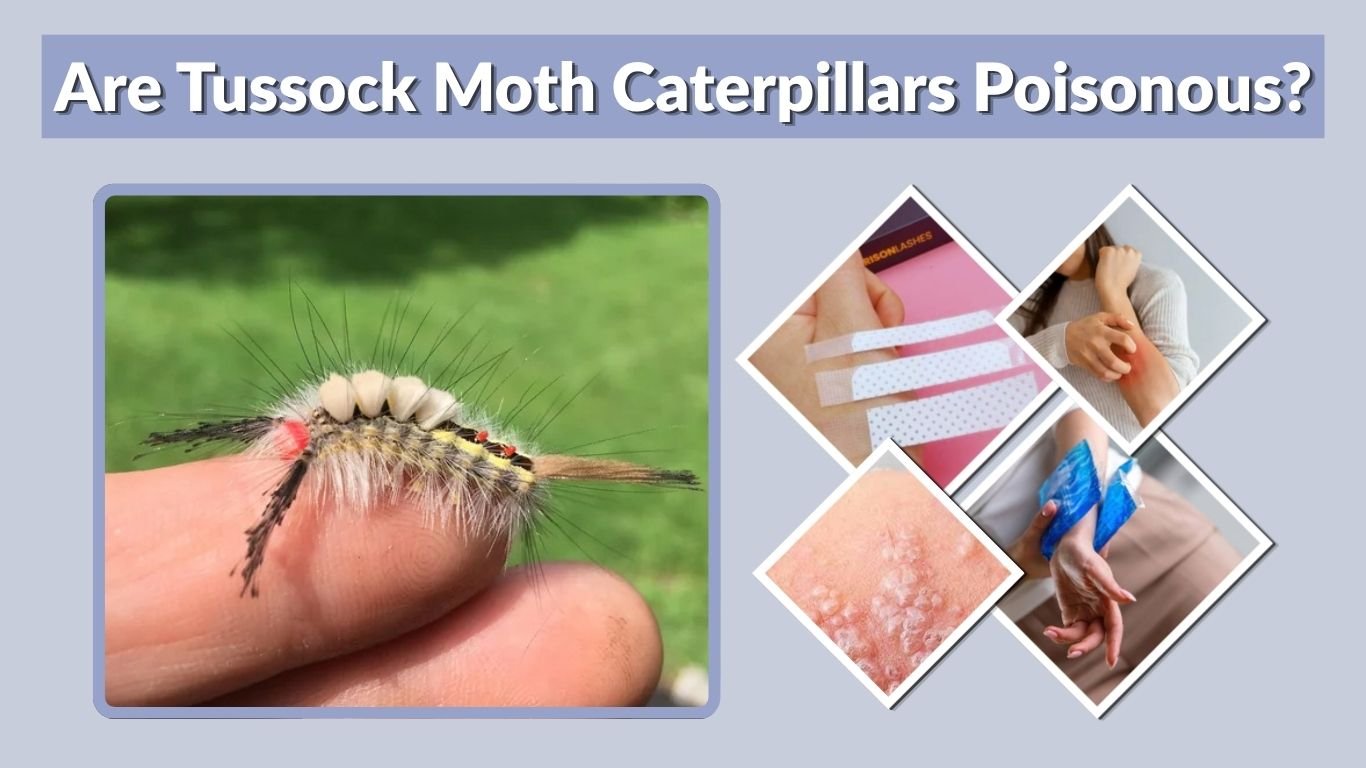
Are Tussock Moth Caterpillars Poisonous? Safety Guide
Tussock moth caterpillars look soft, fuzzy, and harmless, but many species can irritate human skin. People often ask, “Is the tussock moth caterpillar poisonous?” The … Read More
Tussock moth caterpillars look soft, fuzzy, and harmless, but many species can irritate human skin. People often ask, “Is the tussock moth caterpillar poisonous?” The … Read More
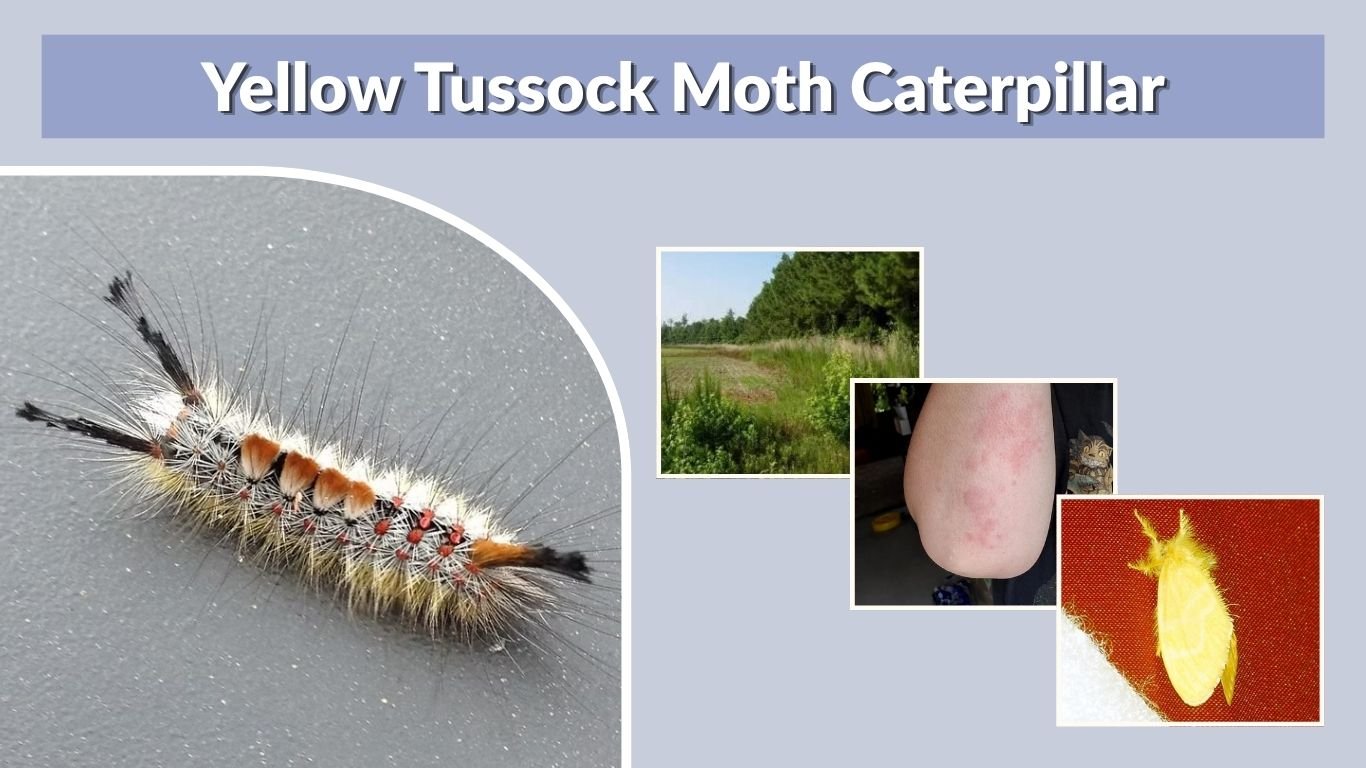
A yellow tussock moth caterpillar is usually a fuzzy yellow or yellow-and-black caterpillar with hair tufts along its body. In North America, this name often … Read More
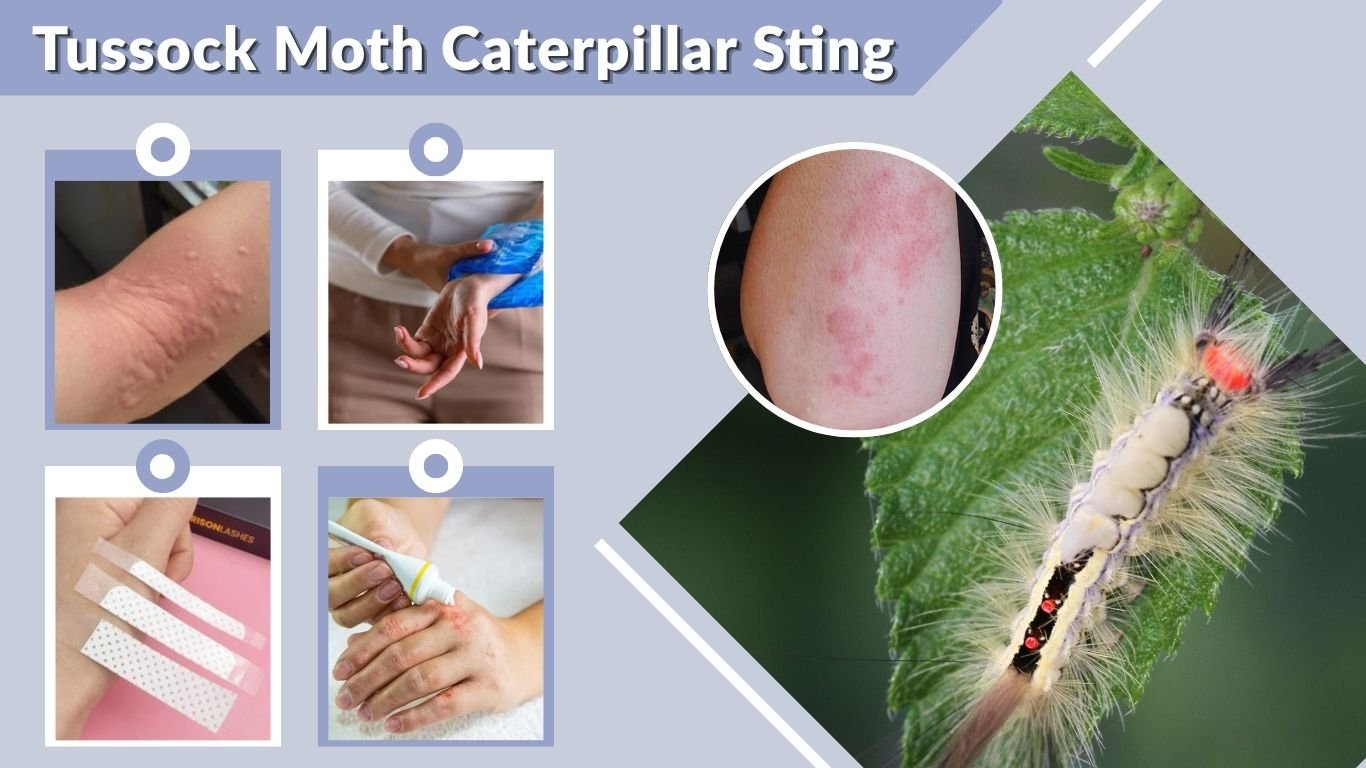
Tussock moth caterpillars look soft and harmless, but their fuzzy hairs can irritate skin. Many people call this a “sting,” although the reaction usually comes … Read More
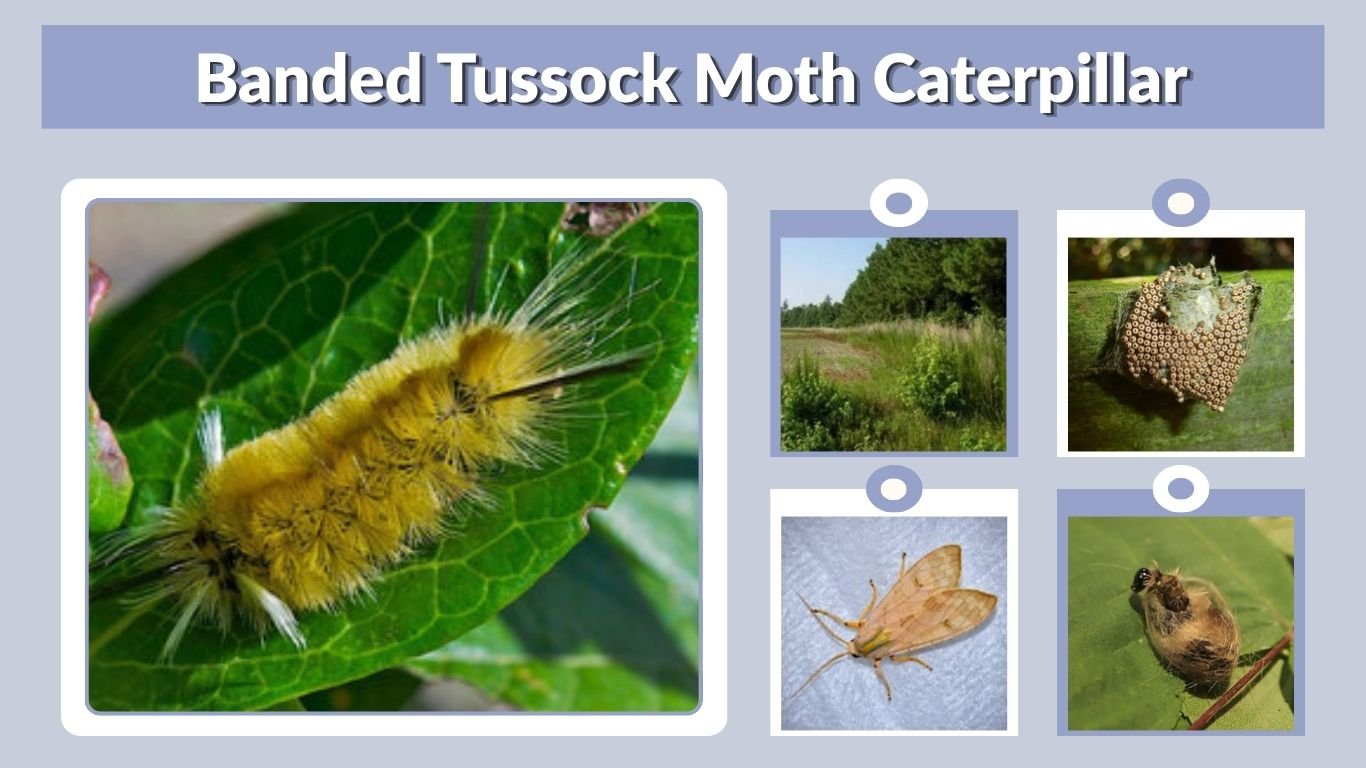
The banded tussock moth caterpillar is a fuzzy, eye-catching larva often found on trees and shrubs in late summer and fall. Many people notice its … Read More
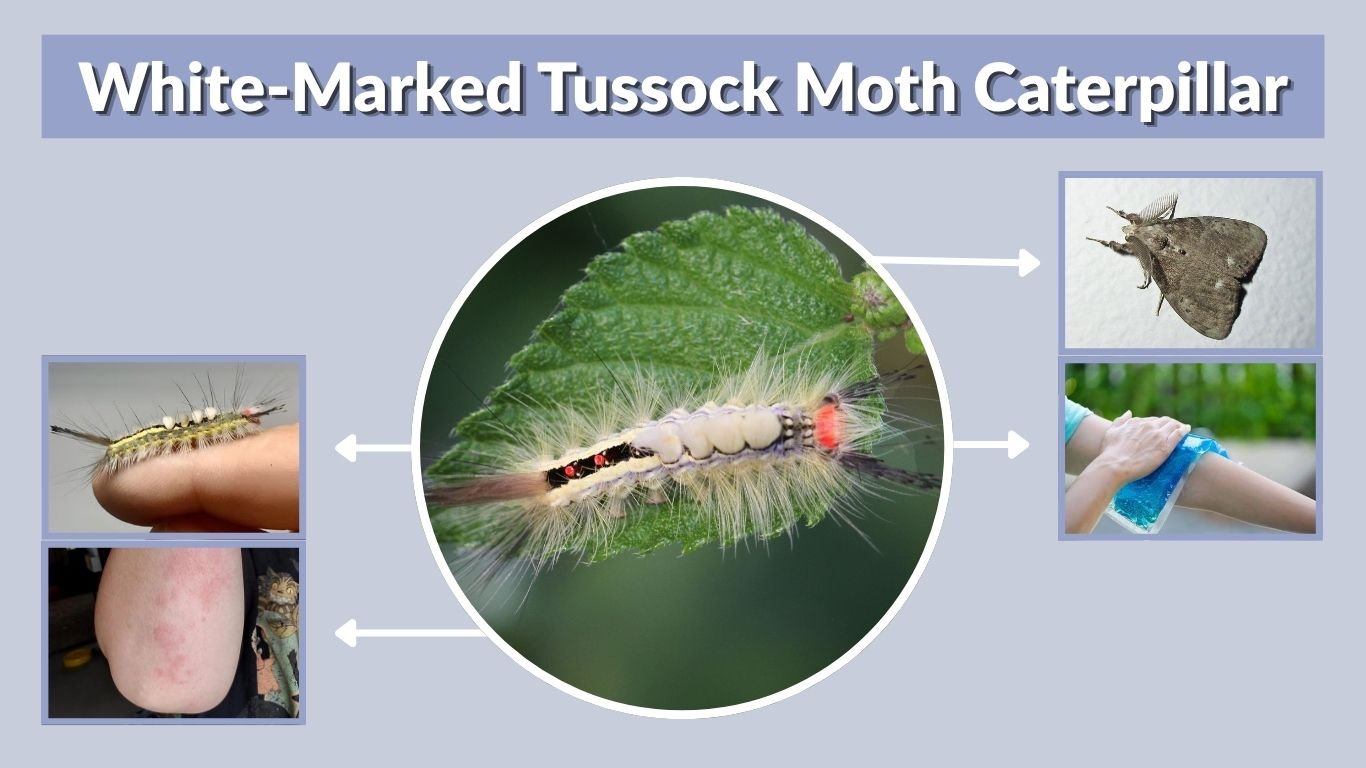
The white-marked tussock moth caterpillar is one of the most eye-catching hairy caterpillars in North America. Its bright head, white “toothbrush” tufts, black hair pencils, … Read More
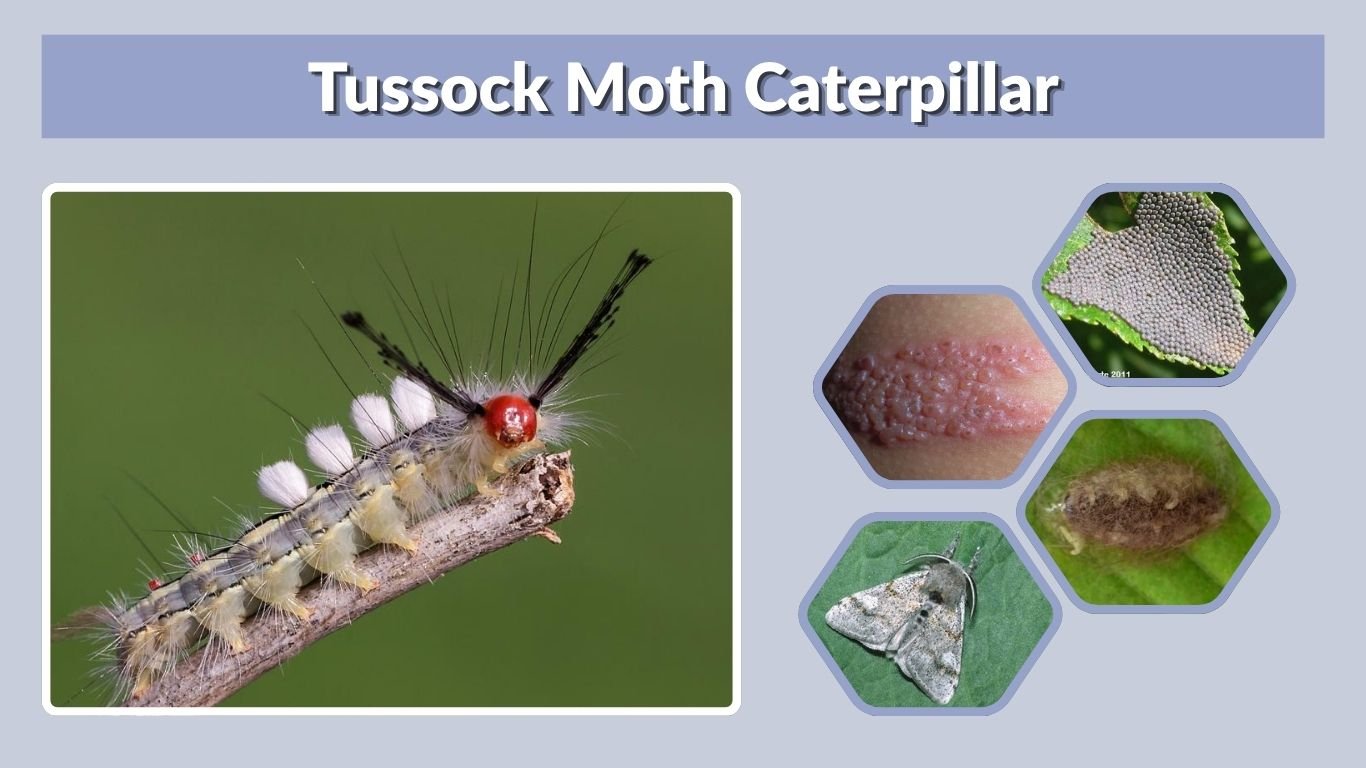
Tussock moth caterpillars are fuzzy, colorful larvae known for their hair-like tufts, bold markings, and sometimes irritating hairs. Many people notice them on trees, shrubs, … Read More
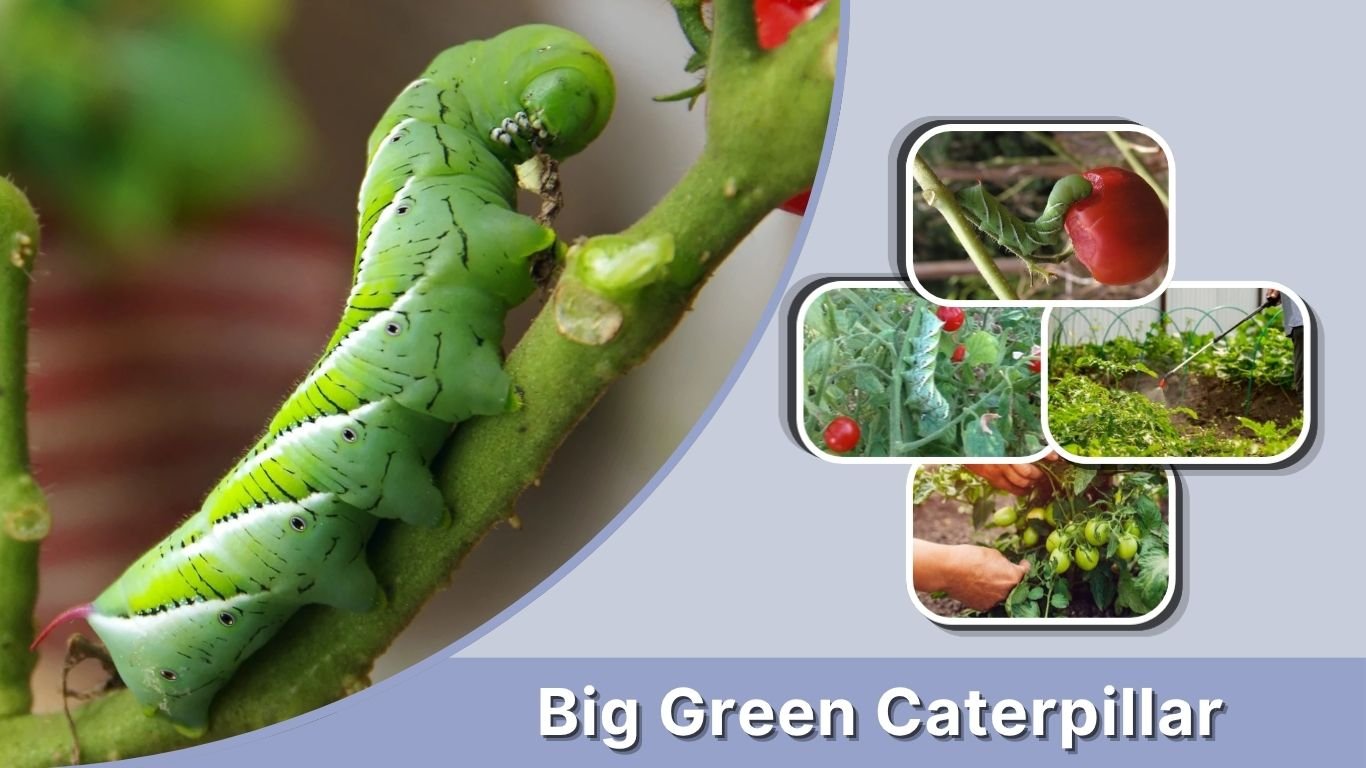
A big green caterpillar can look surprising when you find one on a tomato plant, tree leaf, garden stem, or sidewalk. Many people describe them … Read More
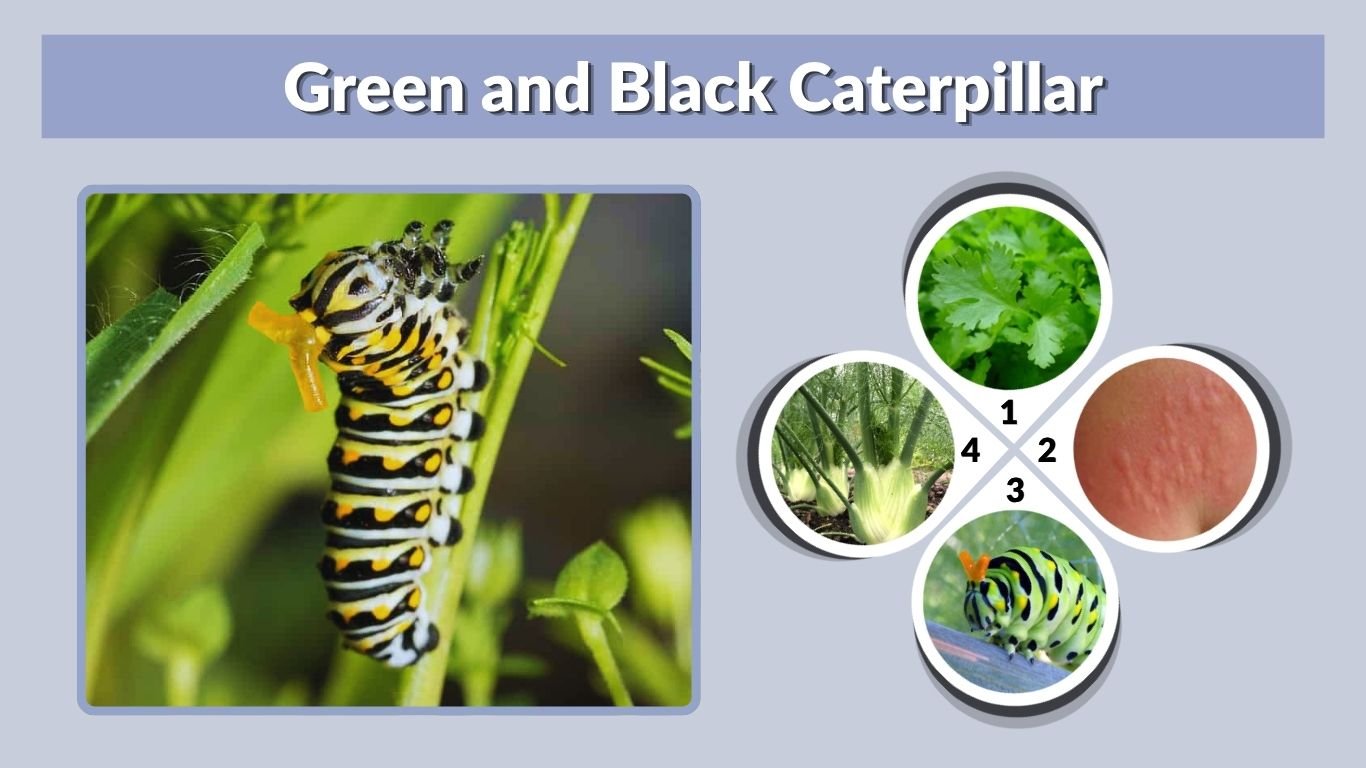
A green and black caterpillar is one of the most commonly searched garden insects because its colors are bold, bright, and easy to notice. Many … Read More
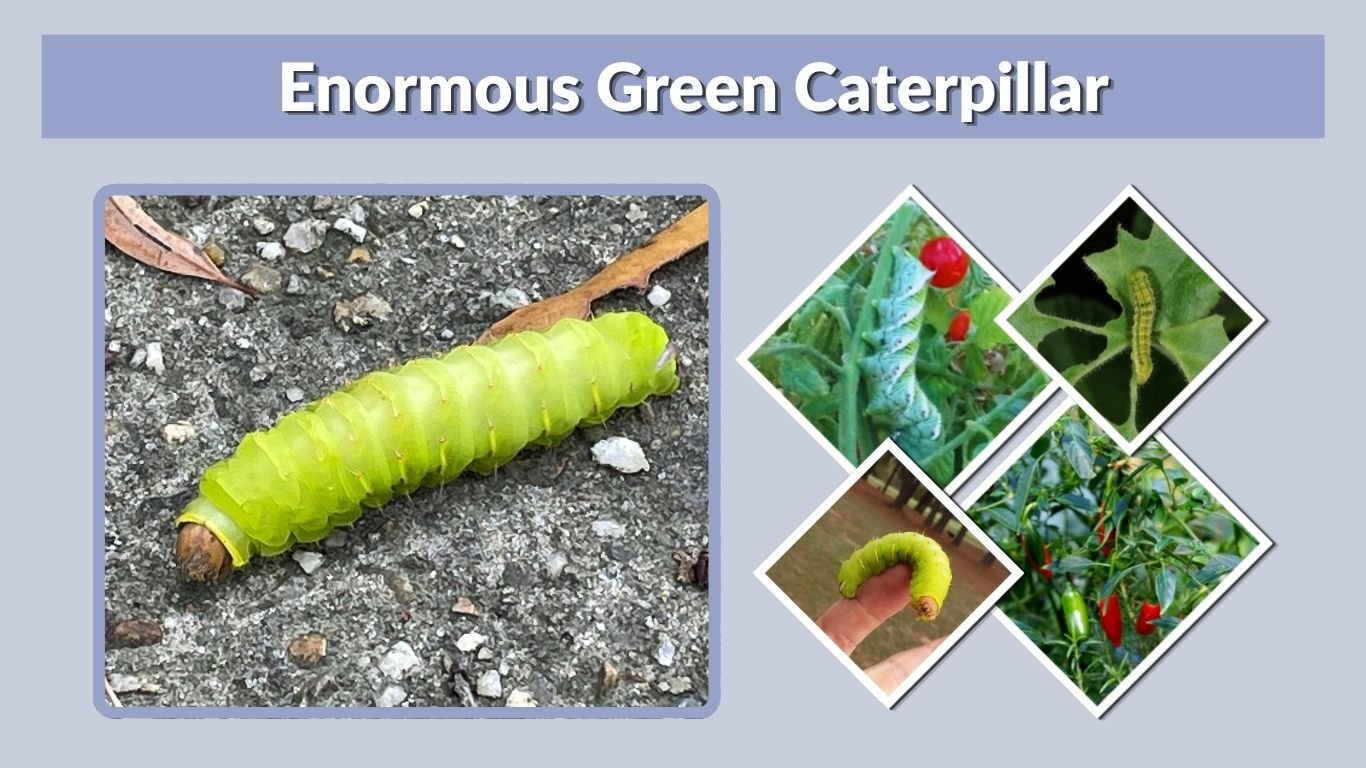
An enormous green caterpillar can look surprising, especially when it appears on a tomato plant, tree branch, garden path, or backyard wall. Its bright color … Read More
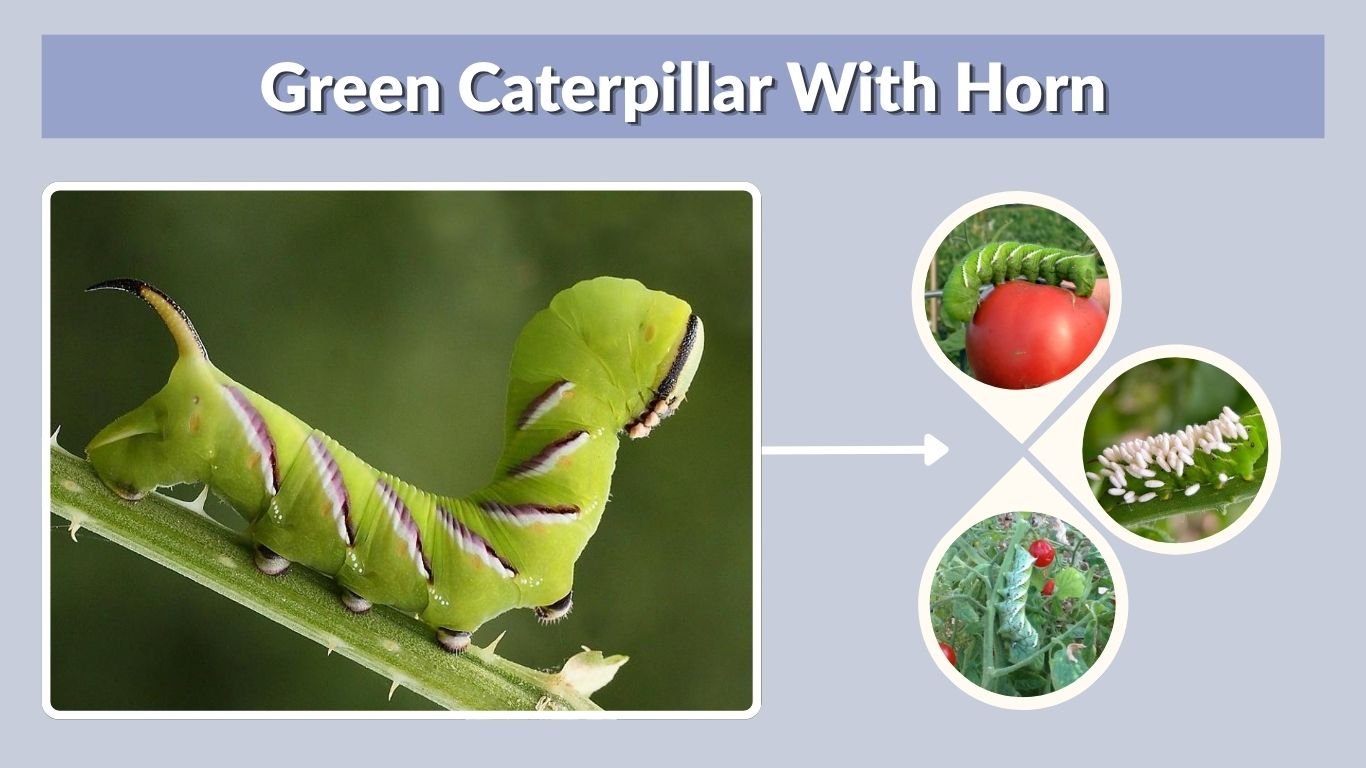
A green caterpillar with a horn is usually a hornworm, the larval stage of a sphinx or hawk moth. These large caterpillars often appear on … Read More