

Lycosidae (Wolf Spiders): Size, Habitat, Diet, Nest, and Behavior
Lycosidae, commonly known as wolf spiders, are fast-moving ground hunters found across much of the world. Unlike many other spiders, they do not spin webs … Read More
Lycosidae, commonly known as wolf spiders, are fast-moving ground hunters found across much of the world. Unlike many other spiders, they do not spin webs … Read More
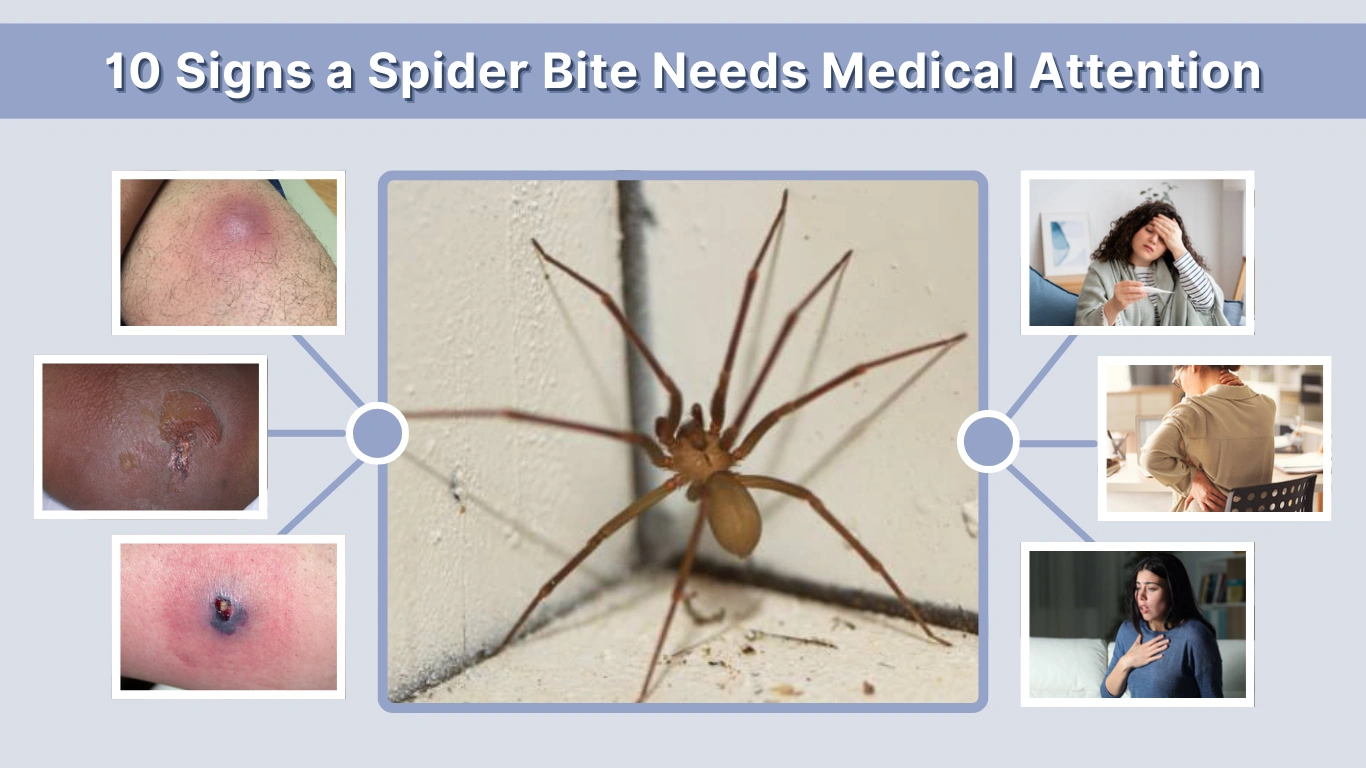
Most spider bites are harmless and heal on their own within a few days. In fact, many skin bumps people assume are spider bites turn … Read More

The term wood spider is commonly used to describe spiders found in wooded areas, forests, woodpiles, and even backyard gardens. However, “wood spider” is not … Read More
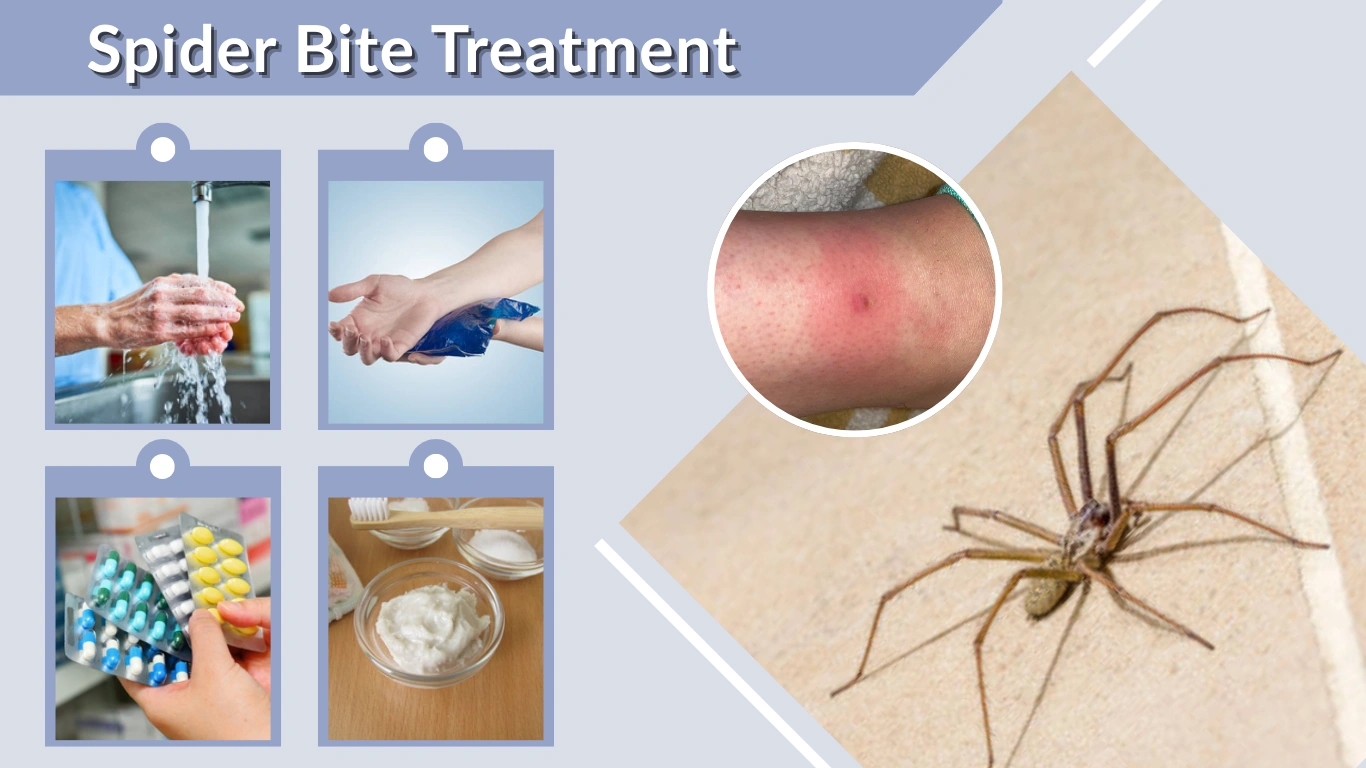
Spider bites can be frightening, especially when you notice sudden redness, swelling, or sharp pain on your skin. Fortunately, most spider bites are harmless and … Read More

The Carolina wolf spider (Hogna carolinensis) is one of the most impressive and recognizable spider species in North America. Known for its large size, agile … Read More
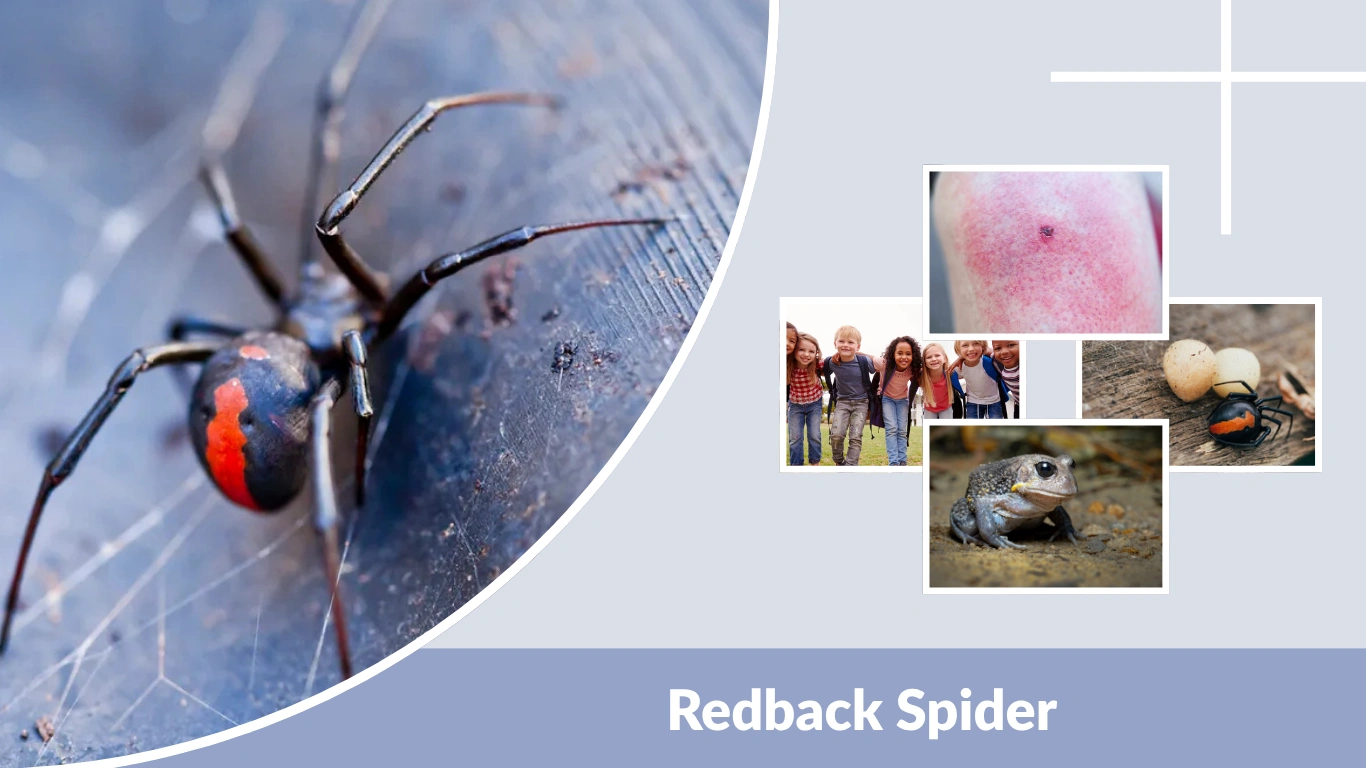
The redback spider (Latrodectus hasselti) is one of Australia’s most iconic and recognizable arachnids. Known for its distinctive red stripe and potent venom, the redback … Read More

A brown recluse spider bite can be difficult to identify because early symptoms often resemble common insect bites or mild skin irritation. Many people mistake … Read More
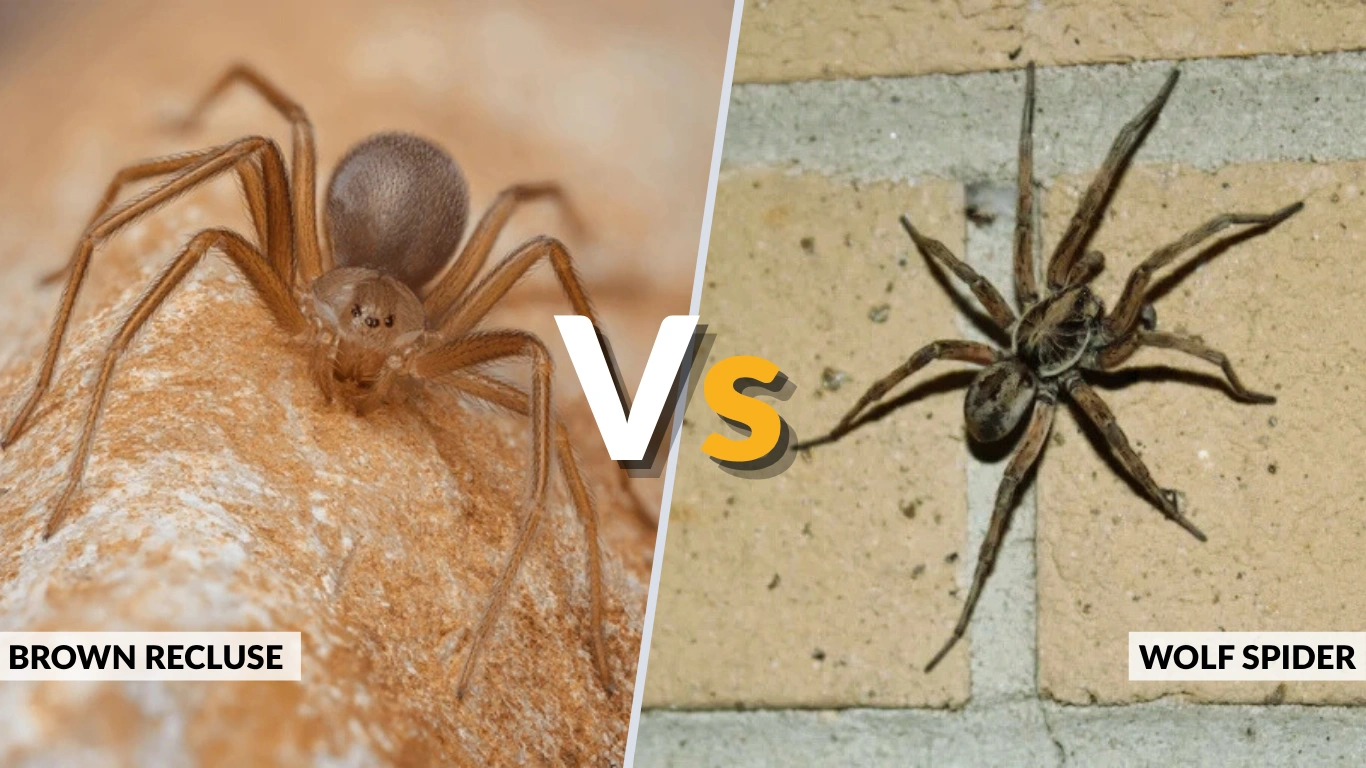
Brown recluse spiders and wolf spiders are often confused because both appear in homes, share similar brown tones, and move quickly. Yet they differ sharply … Read More

The goldenrod crab spider is one of nature’s most remarkable flower-dwelling predators, known for its shapeshifting colors, unusual hunting strategy, and striking appearance. Often spotted … Read More

The black and yellow garden spider is one of the most recognizable orb-weavers found across North America. Known for its striking stripes and impressive web … Read More