
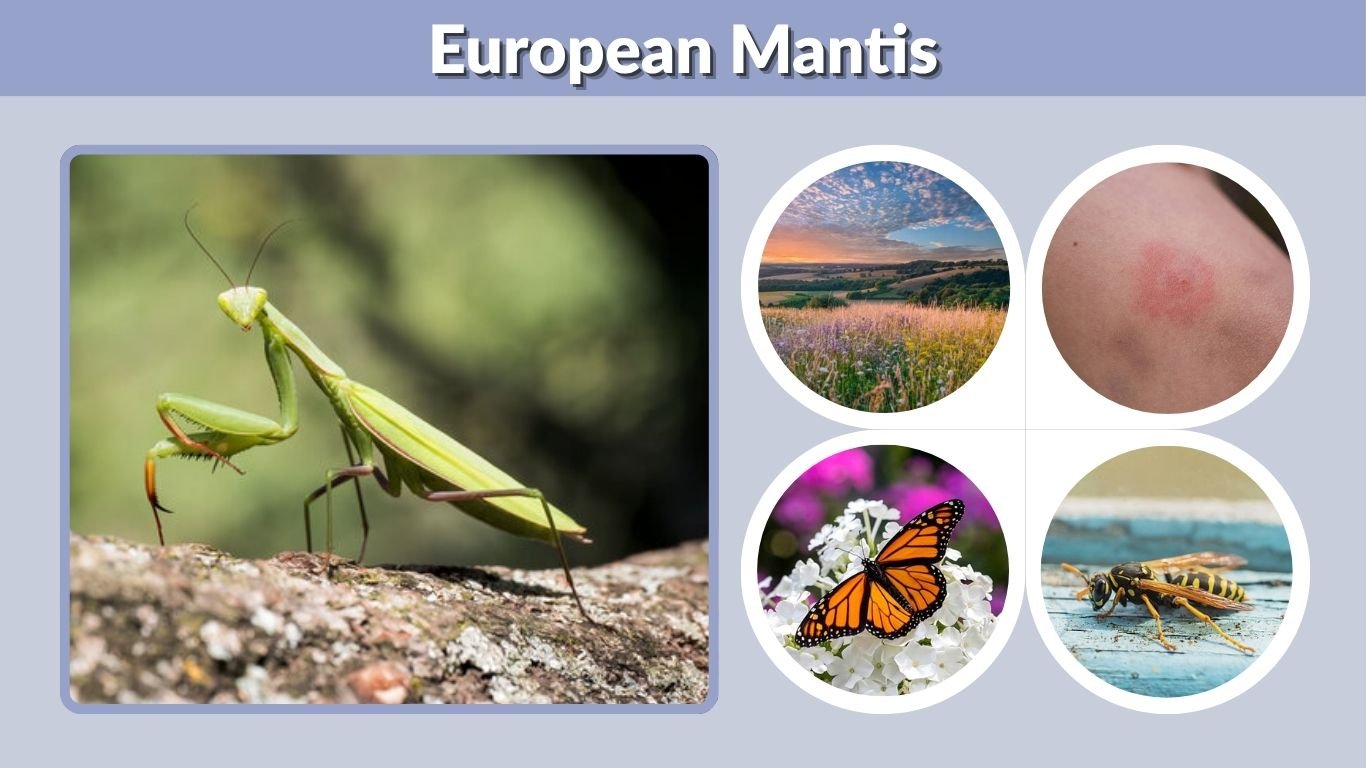
European Mantis: Identification, Diet, Size & Life Cycle
The European mantis is a distinctive predatory insect recognized by its triangular head, folded front legs, and patient hunting behavior. Scientifically known as Mantis religiosa, … Read More
The European mantis is a distinctive predatory insect recognized by its triangular head, folded front legs, and patient hunting behavior. Scientifically known as Mantis religiosa, … Read More
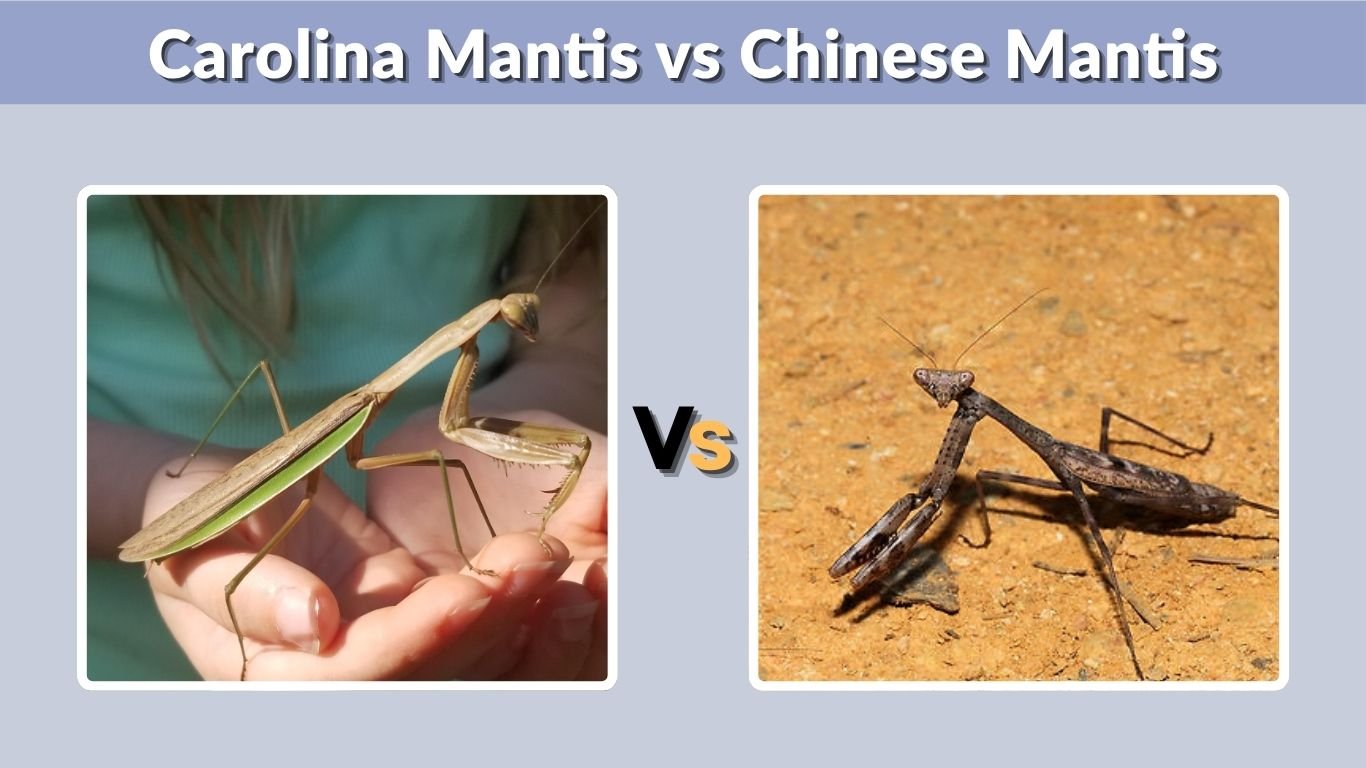
The Carolina mantis vs Chinese mantis comparison can be confusing because both species may appear green or brown and share the familiar praying-mantis body shape. … Read More
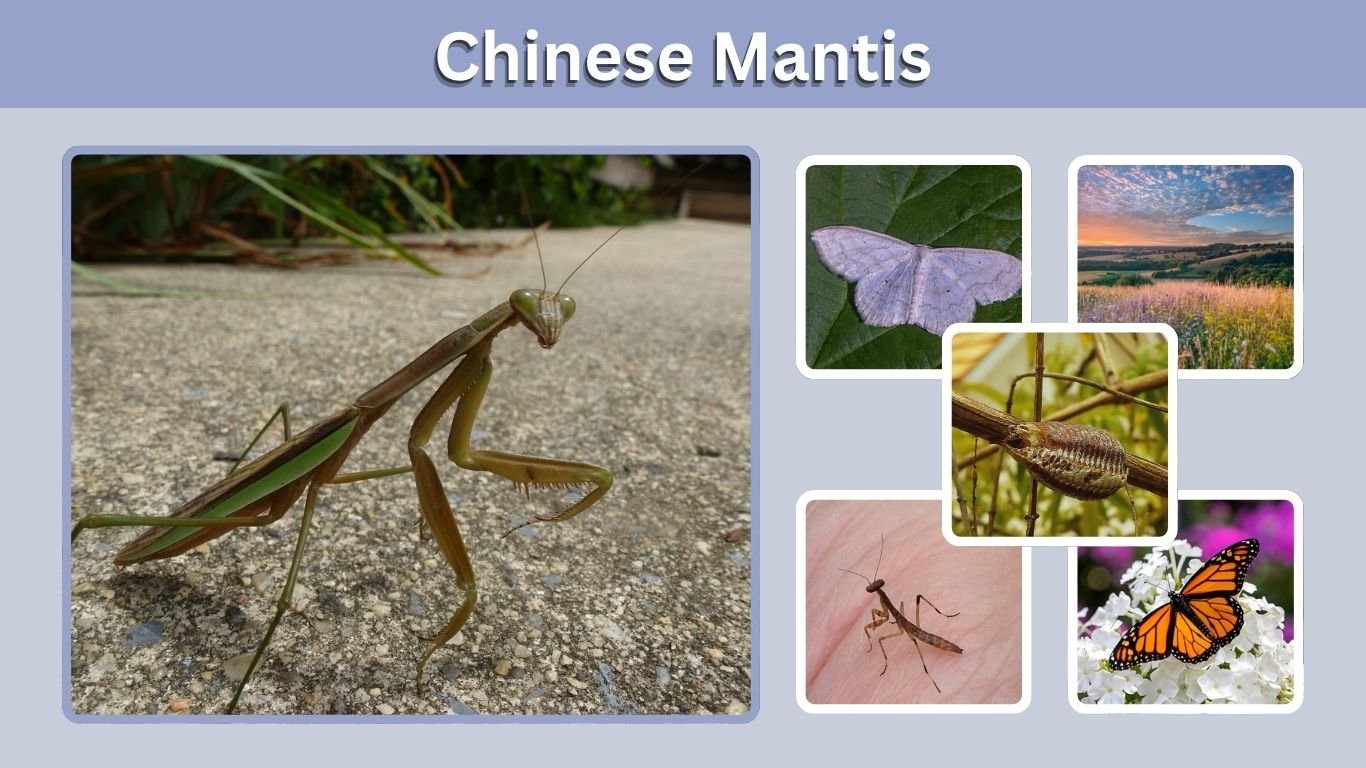
The Chinese mantis is one of the largest and most recognizable praying mantises found in North America. Known scientifically as Tenodera sinensis, this long-bodied predator … Read More

If leaf-footed bugs are damaging tomatoes, pomegranates, eggplants, or other garden plants, early control is the easiest way to stop an infestation. These insects use … Read More

Leaf-footed bugs on tomatoes can quickly turn healthy fruit into spotted, shriveled, or damaged produce. These sap-feeding insects pierce tomatoes with their mouthparts and suck … Read More
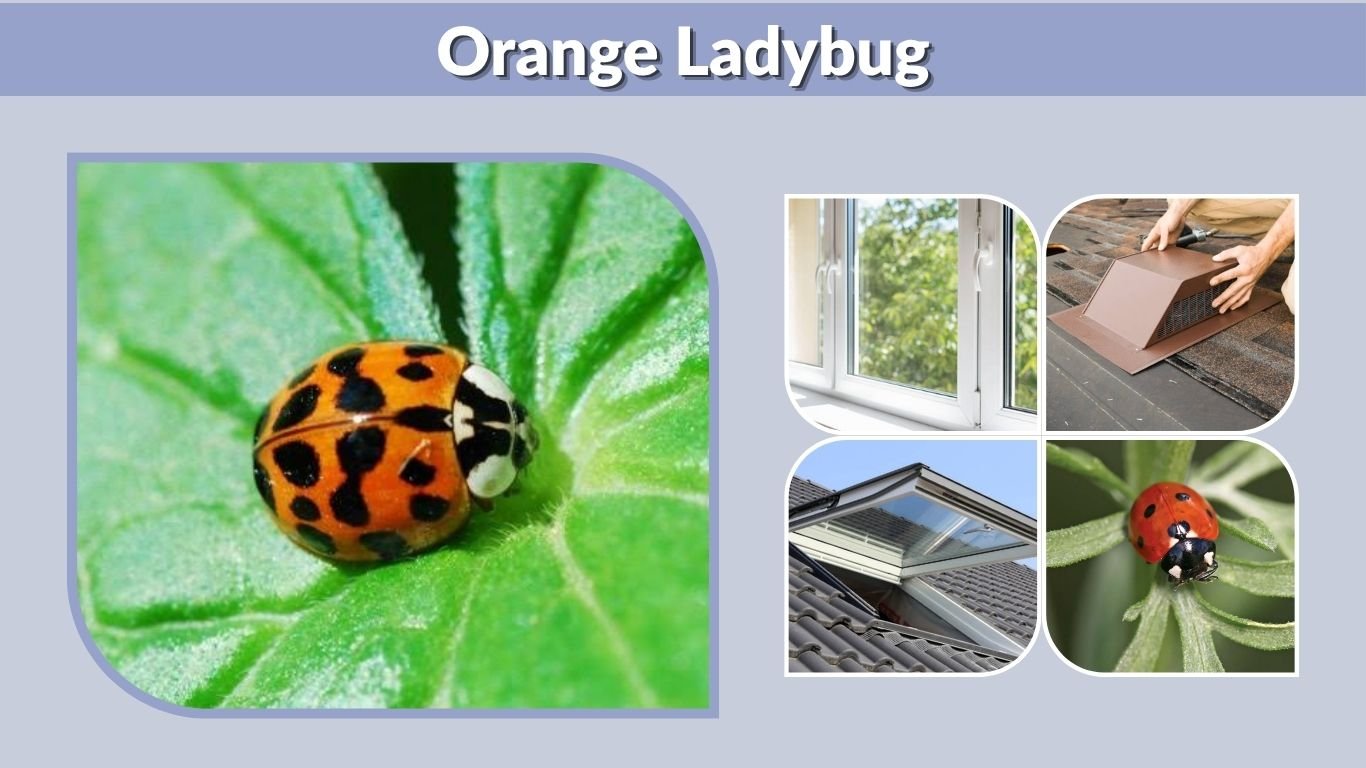
An orange ladybug can be a surprising sight because most people picture ladybugs as bright red insects with black spots. However, ladybugs naturally occur in … Read More
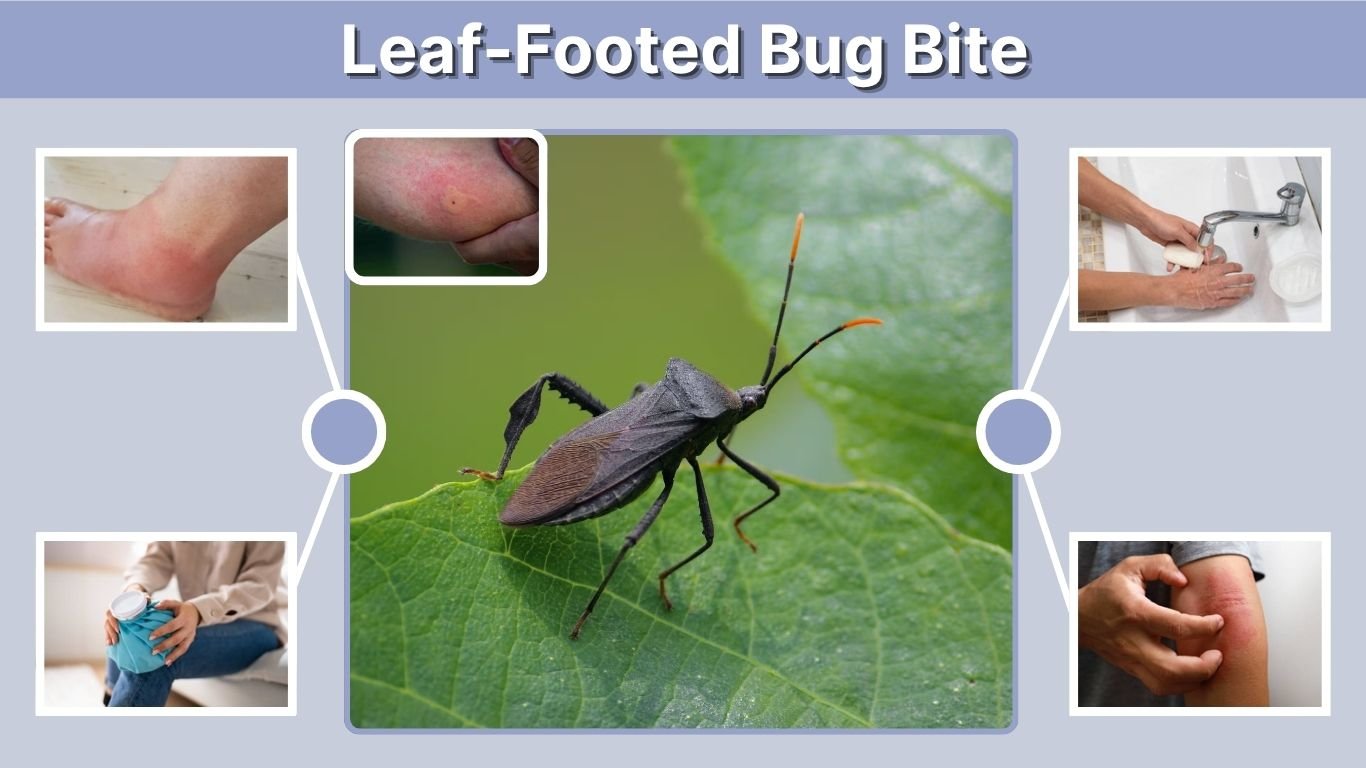
Leaf-footed bugs are common garden insects known for their long legs and distinctive leaf-like expansions on their hind legs. Because some species grow quite large … Read More
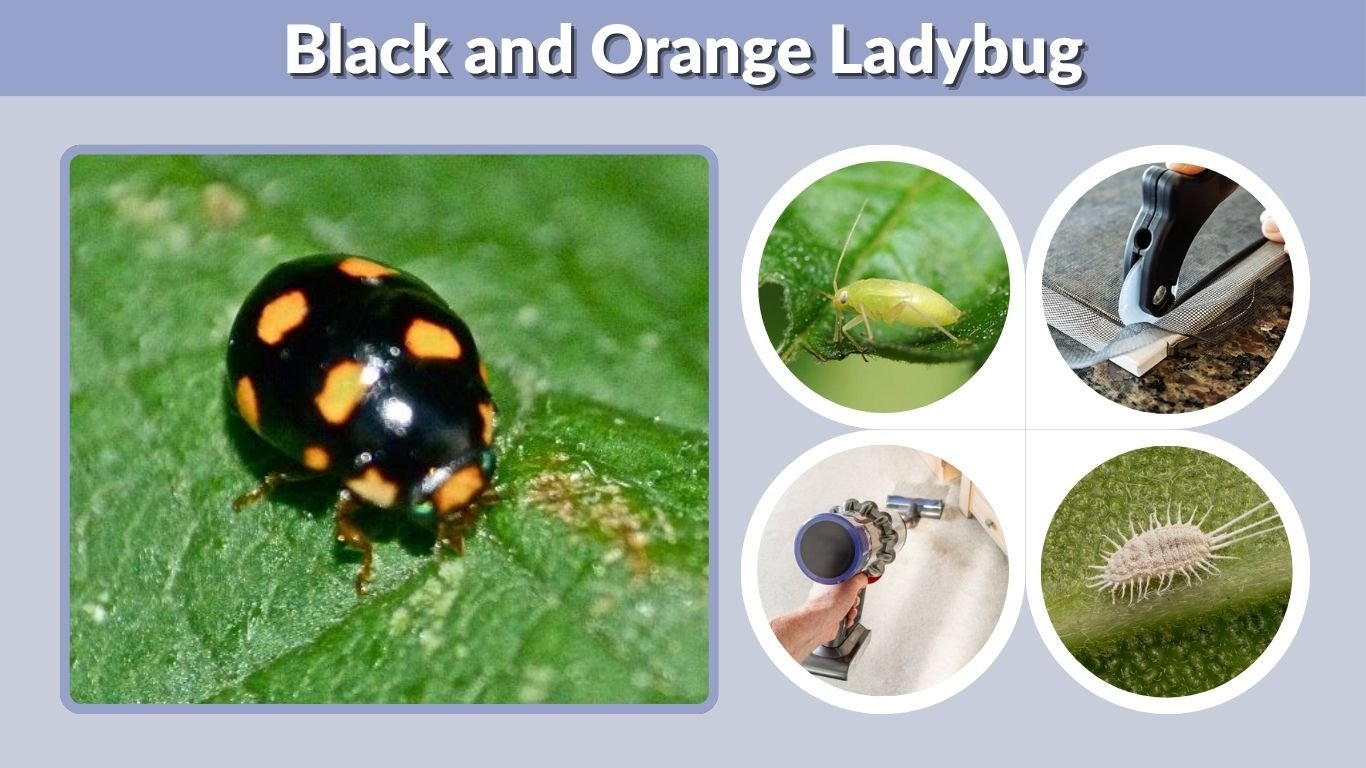
A black and orange ladybug can look very different from the familiar red ladybug with black spots. Some species have shiny black bodies with two … Read More
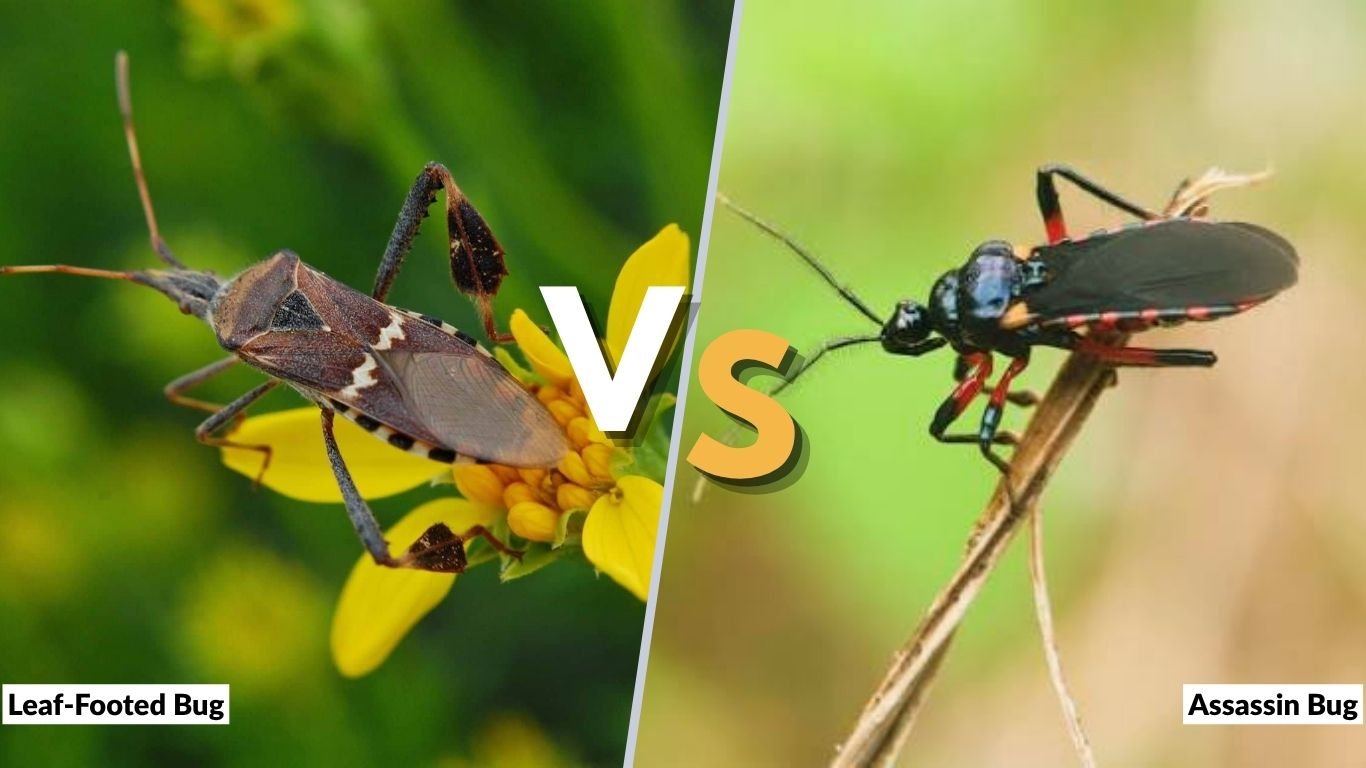
A leaf-footed bug vs assassin bug comparison can be confusing because both insects may have long legs, narrow bodies, piercing mouthparts, and similar red or … Read More
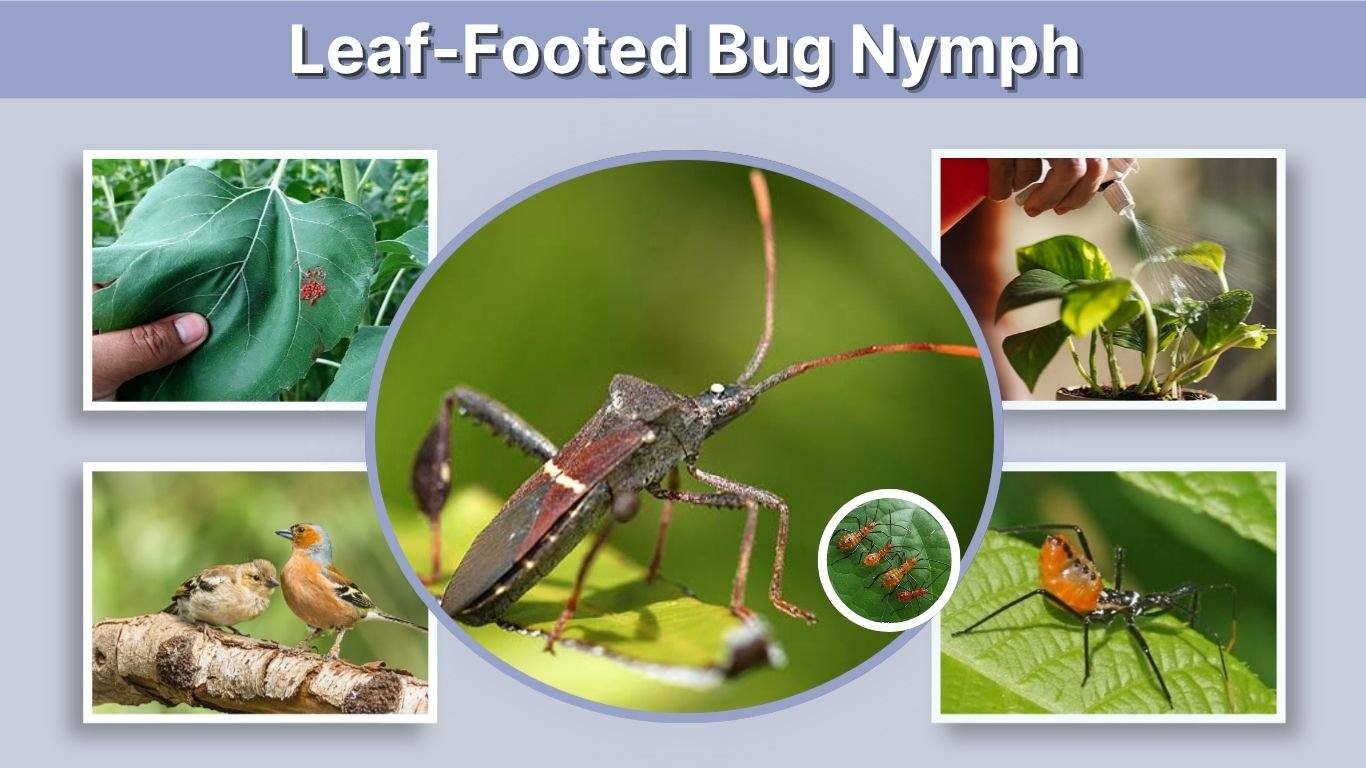
A leaf-footed bug nymph is the immature stage of a leaf-footed bug, a plant-feeding insect in the family Coreidae. These young bugs often appear bright … Read More