
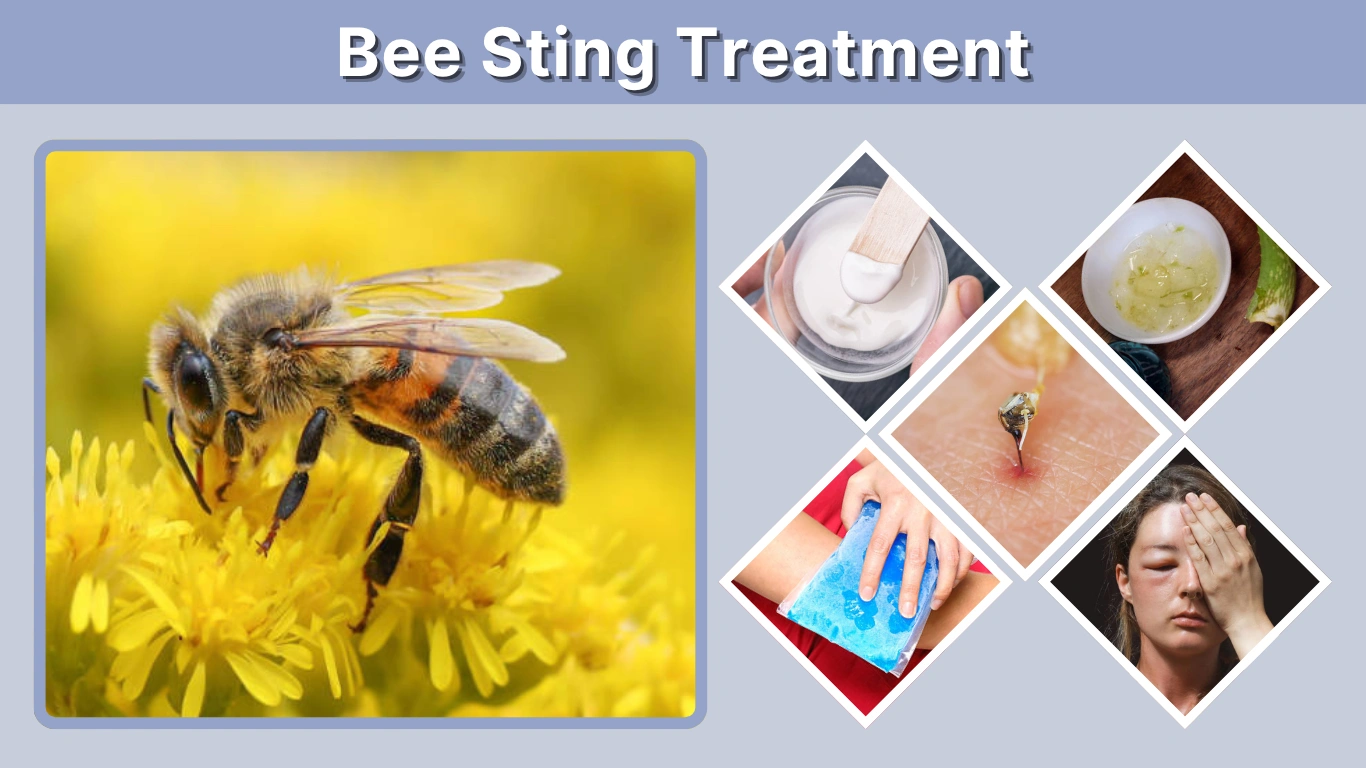
Bee Sting Treatment: Home Remedies, Relief & Care Guide
Bee stings are common and usually not serious, but they can cause pain, swelling, and discomfort. Knowing how to treat a bee sting quickly can … Read More
Bee stings are common and usually not serious, but they can cause pain, swelling, and discomfort. Knowing how to treat a bee sting quickly can … Read More
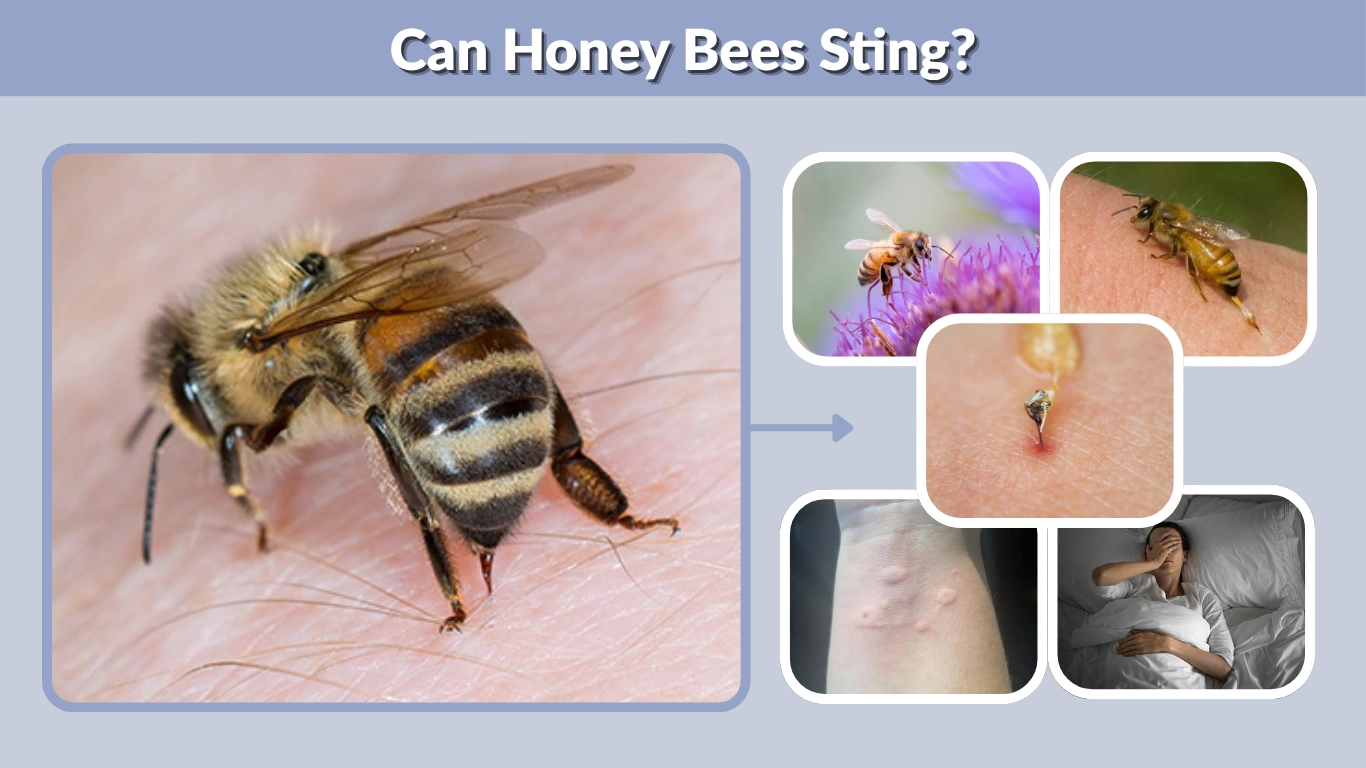
Honey bees are essential pollinators, but many people worry about their ability to sting. The truth is that honey bees can sting, but they are … Read More
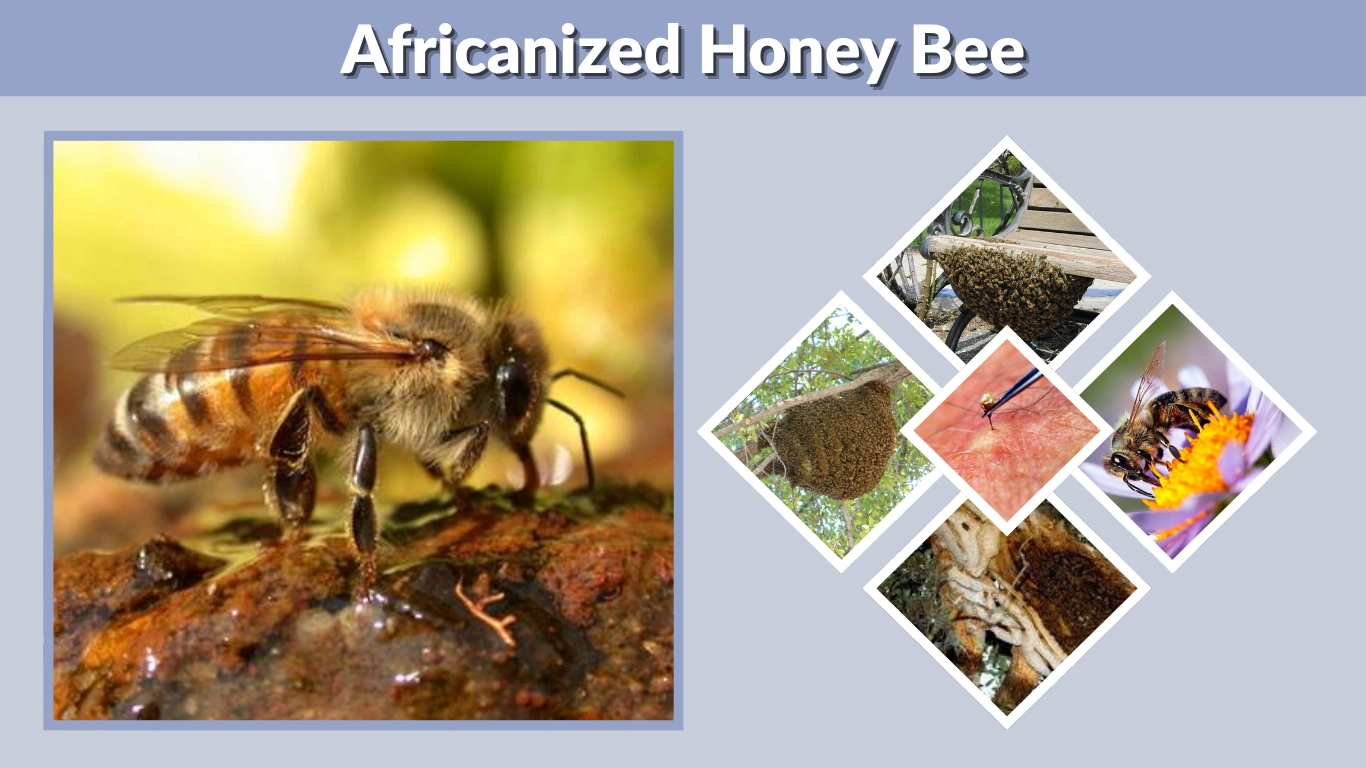
Africanized honey bees are often called “killer bees,” but the name can be misleading without proper context. These bees are not a separate species but … Read More
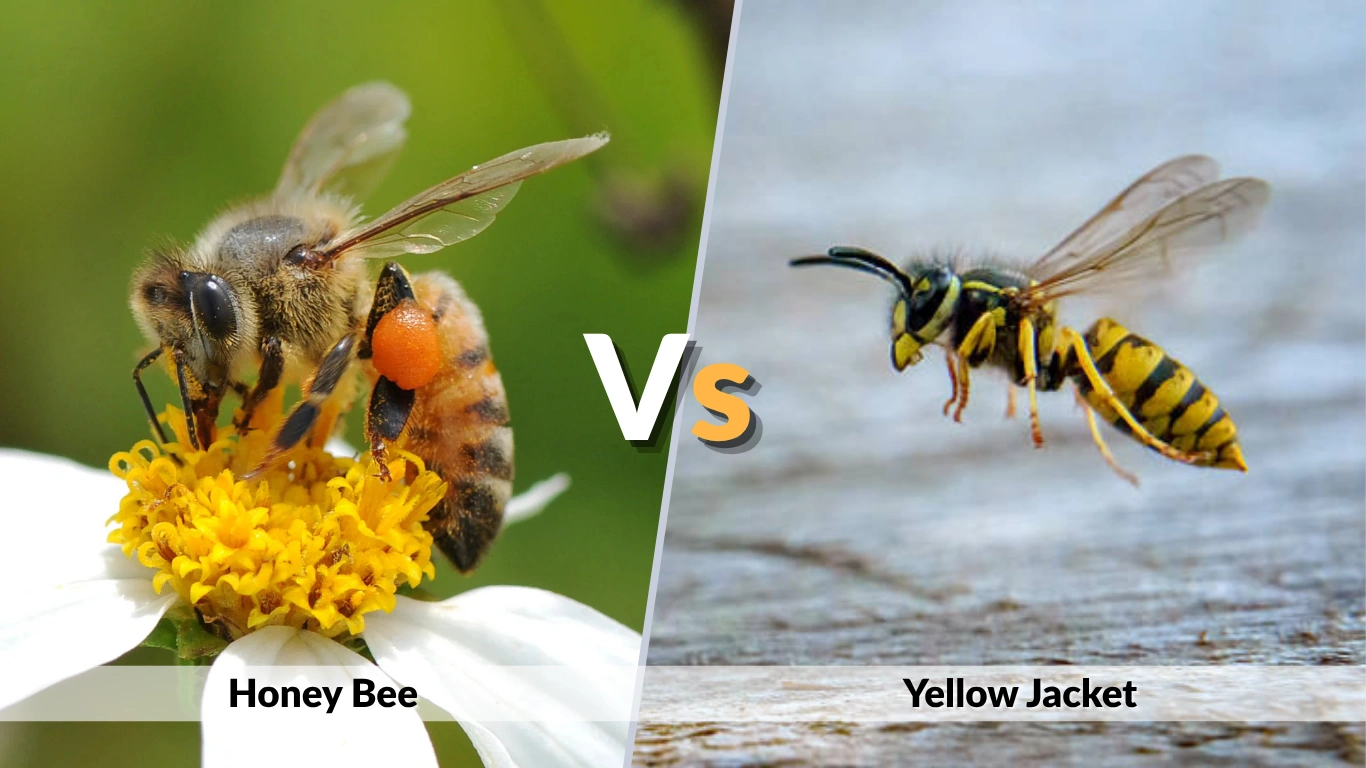
Honey bees and yellow jackets are often confused because of their similar yellow-and-black coloring, but they are very different insects. Honey bees are important pollinators … Read More
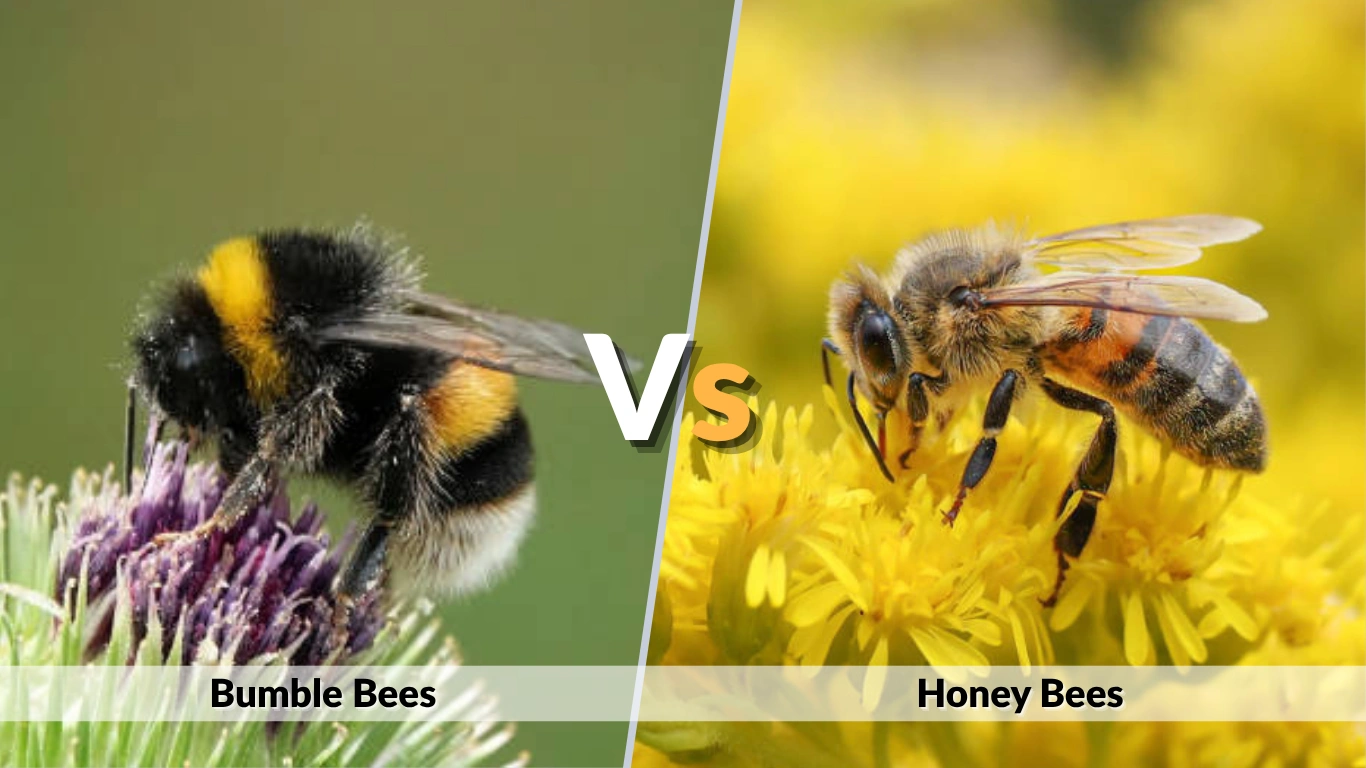
Bumble bees and honey bees are often mistaken for each other, yet they differ in size, behavior, social structure, and stinging ability. Both play a … Read More
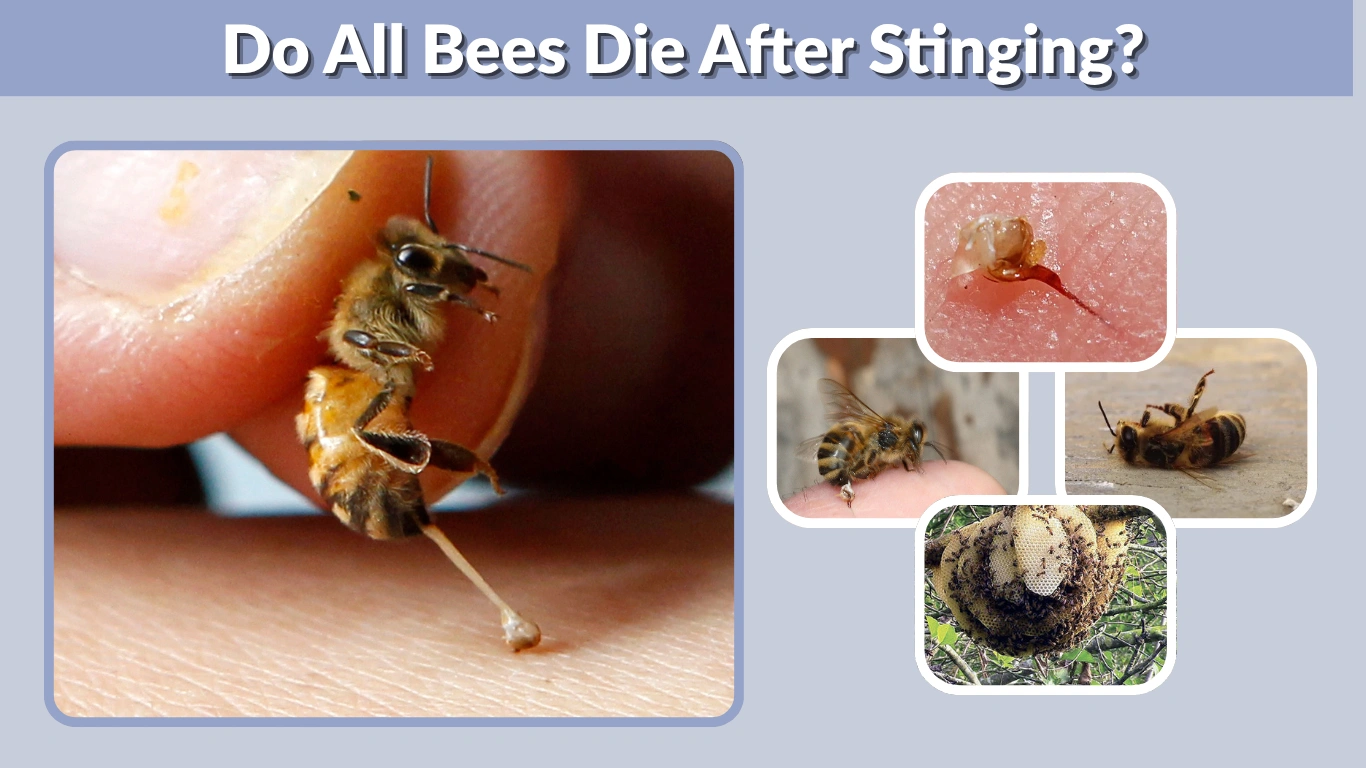
Many people assume that every bee dies after it stings, but that idea is only partially true. Different bee species behave differently, and their survival … Read More
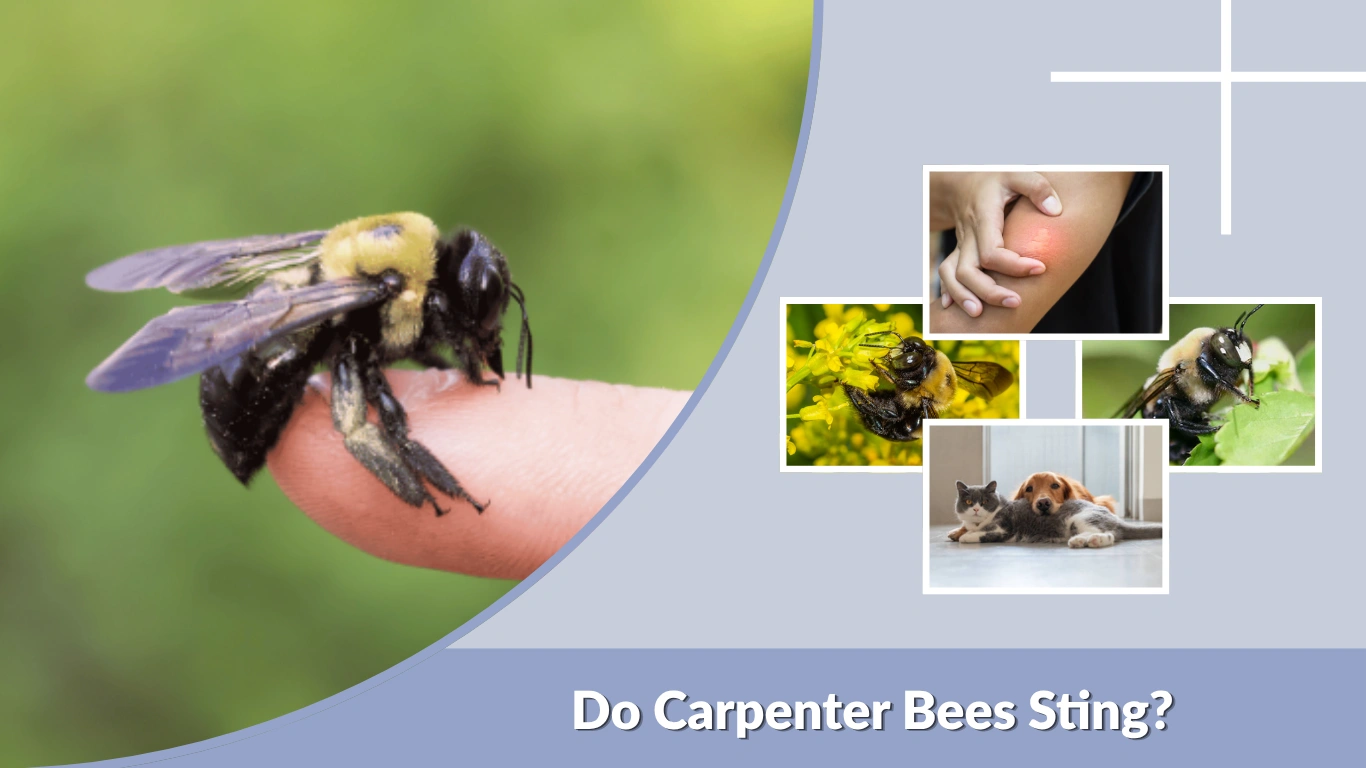
Carpenter bees are large, black-and-yellow insects often mistaken for bumblebees. Their size and loud buzzing can make them seem intimidating, leading many people to wonder … Read More

Worker bees are the backbone of any bee colony. These small, hardworking insects are responsible for nearly every task that keeps the hive alive and … Read More

The term “queen bee honey” often attracts attention, suggesting a rare or superior type of honey. However, many people are unaware that this name can … Read More

The queen bee is the heart of every honeybee colony, playing a crucial role in its survival and growth. Unlike other bees, she is the … Read More