
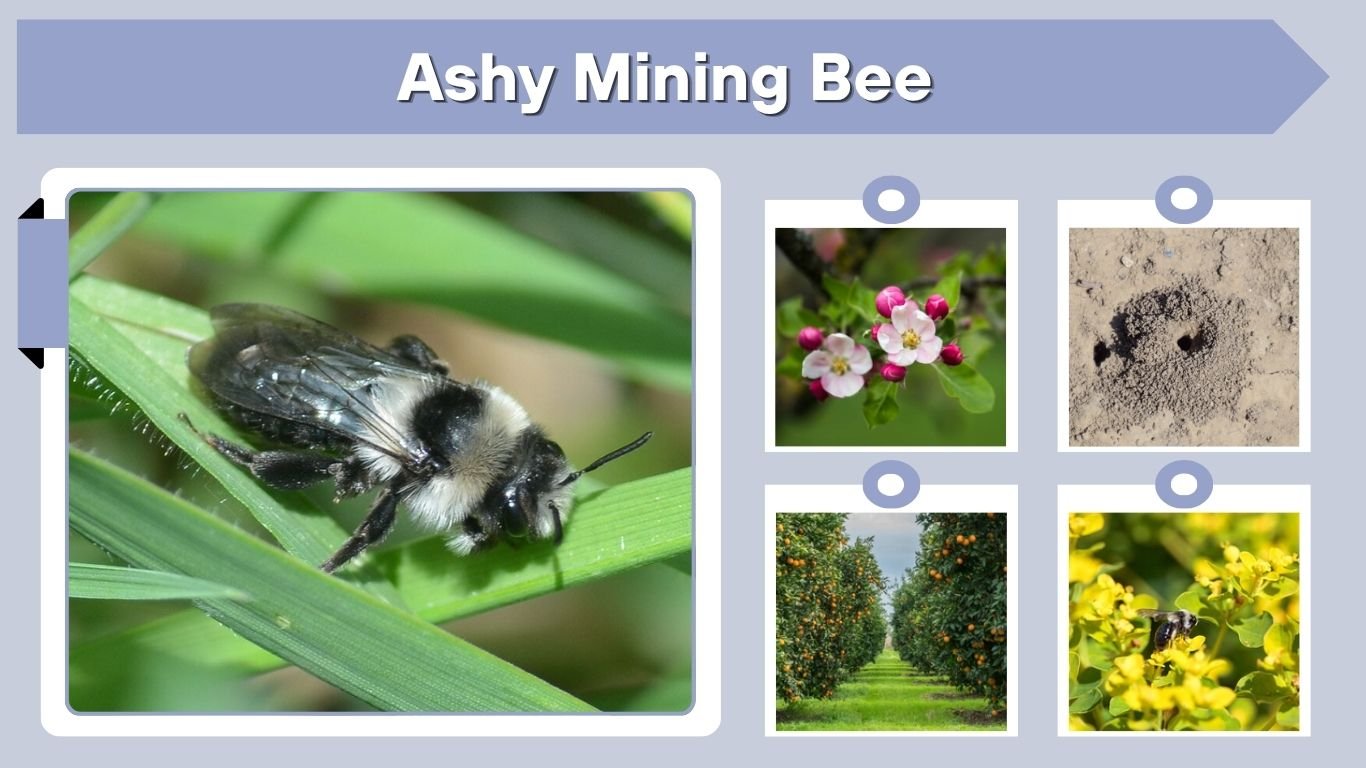
Ashy Mining Bee: Identification, Nest, Sting & Facts
The Ashy Mining Bee (Andrena cineraria) is a distinctive spring-flying solitary bee known for its glossy blue-black body and striking bands of pale gray or … Read More
The Ashy Mining Bee (Andrena cineraria) is a distinctive spring-flying solitary bee known for its glossy blue-black body and striking bands of pale gray or … Read More
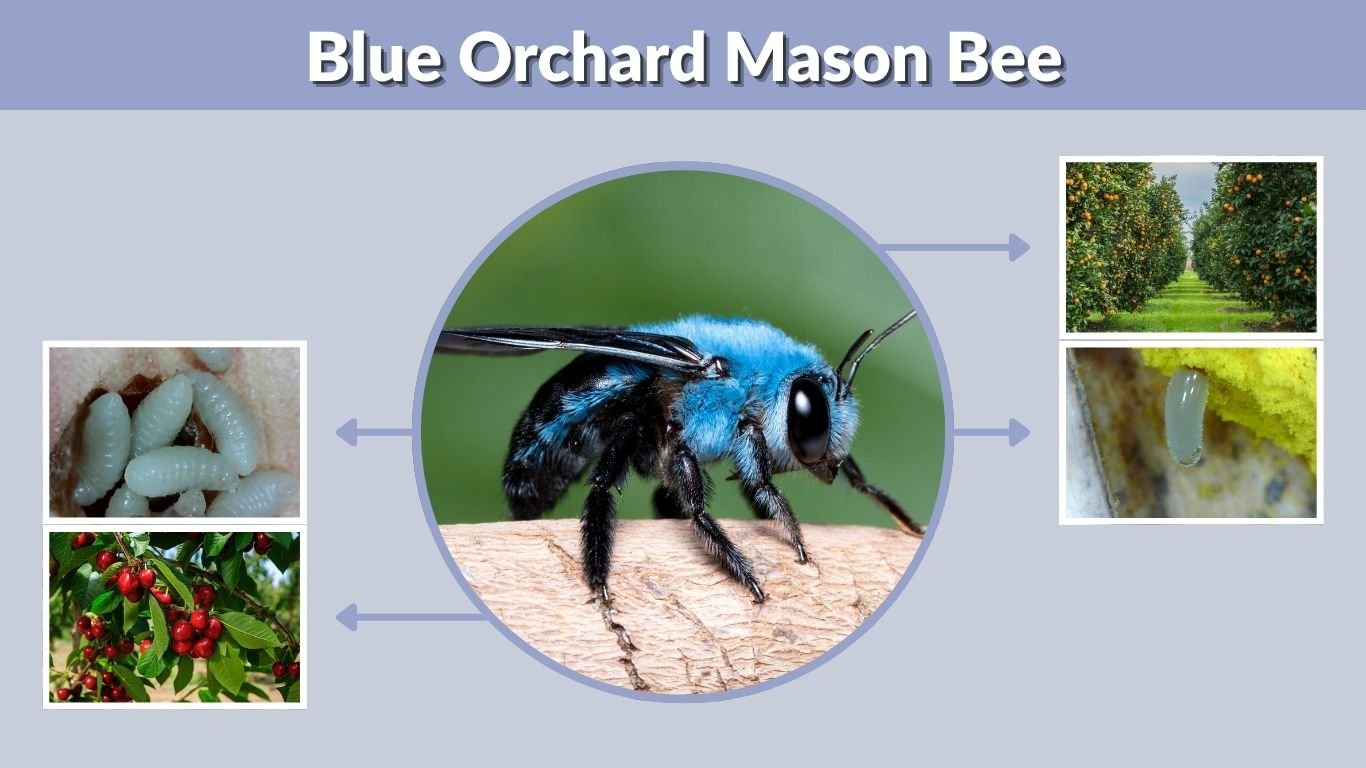
The Blue Orchard Mason Bee (Osmia lignaria) is a metallic blue native bee of North America and an exceptionally valuable spring pollinator. Also called the … Read More
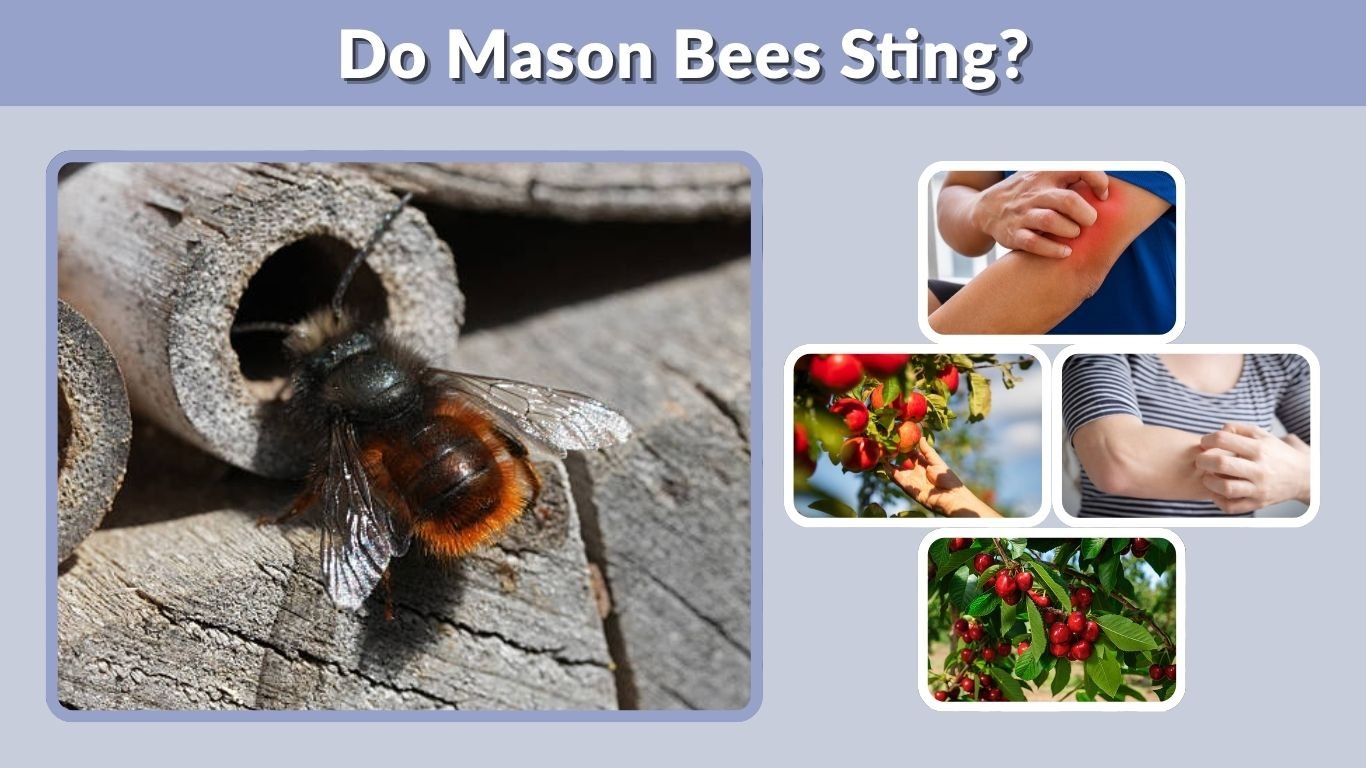
Mason bees can sting, but they are among the least aggressive bees people are likely to encounter. Only female mason bees have functional stingers, and … Read More
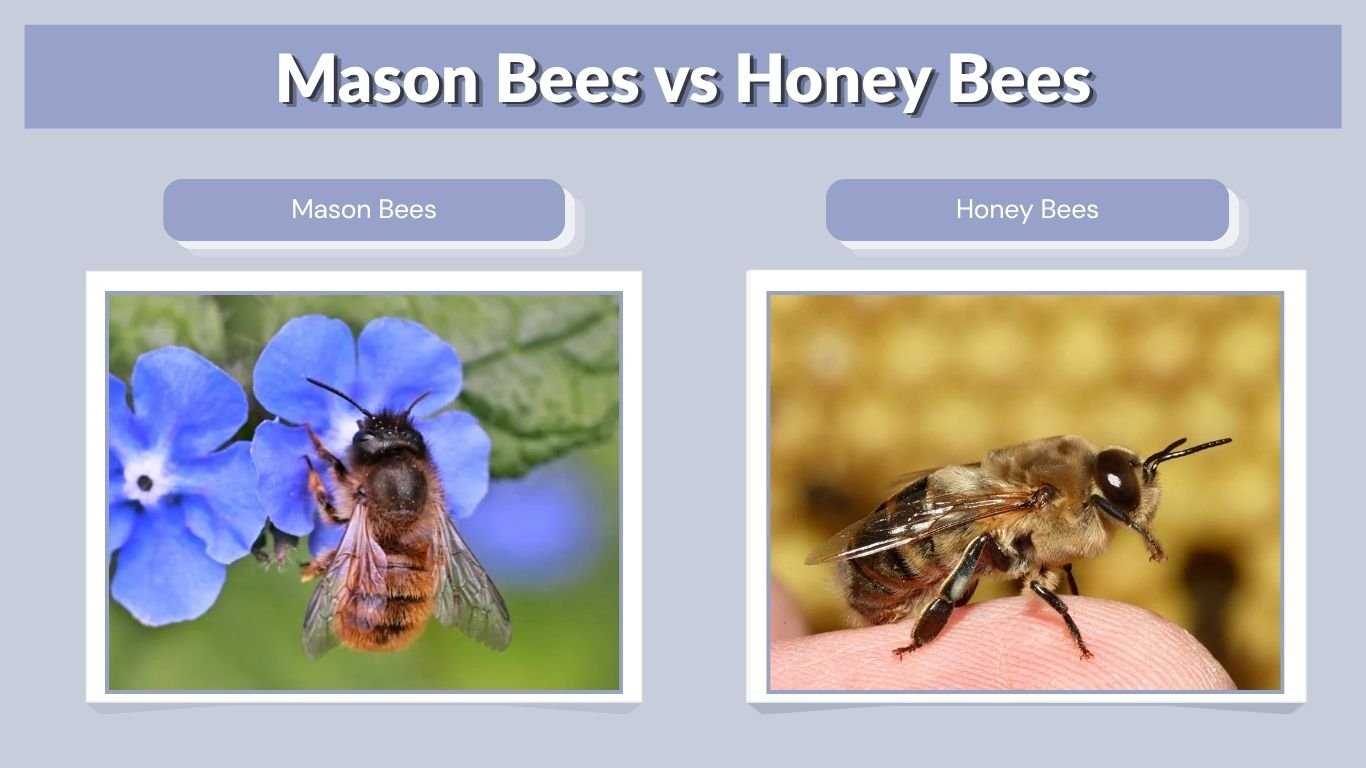
Mason bees and honey bees are both valuable pollinators, but they live very different lives. Mason bees are mostly solitary bees that nest in existing … Read More
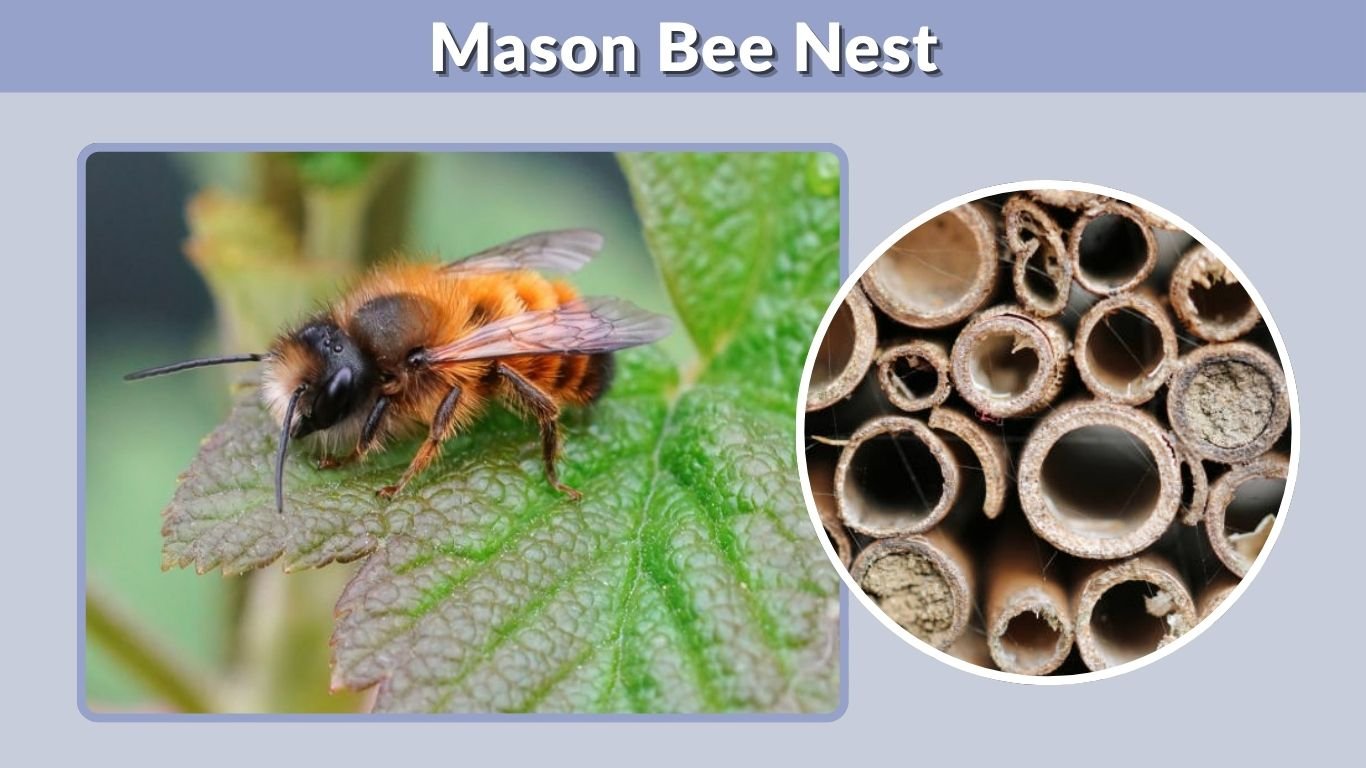
A mason bee nest is very different from the large communal hive built by honey bees. Mason bees, primarily species in the genus Osmia, are … Read More
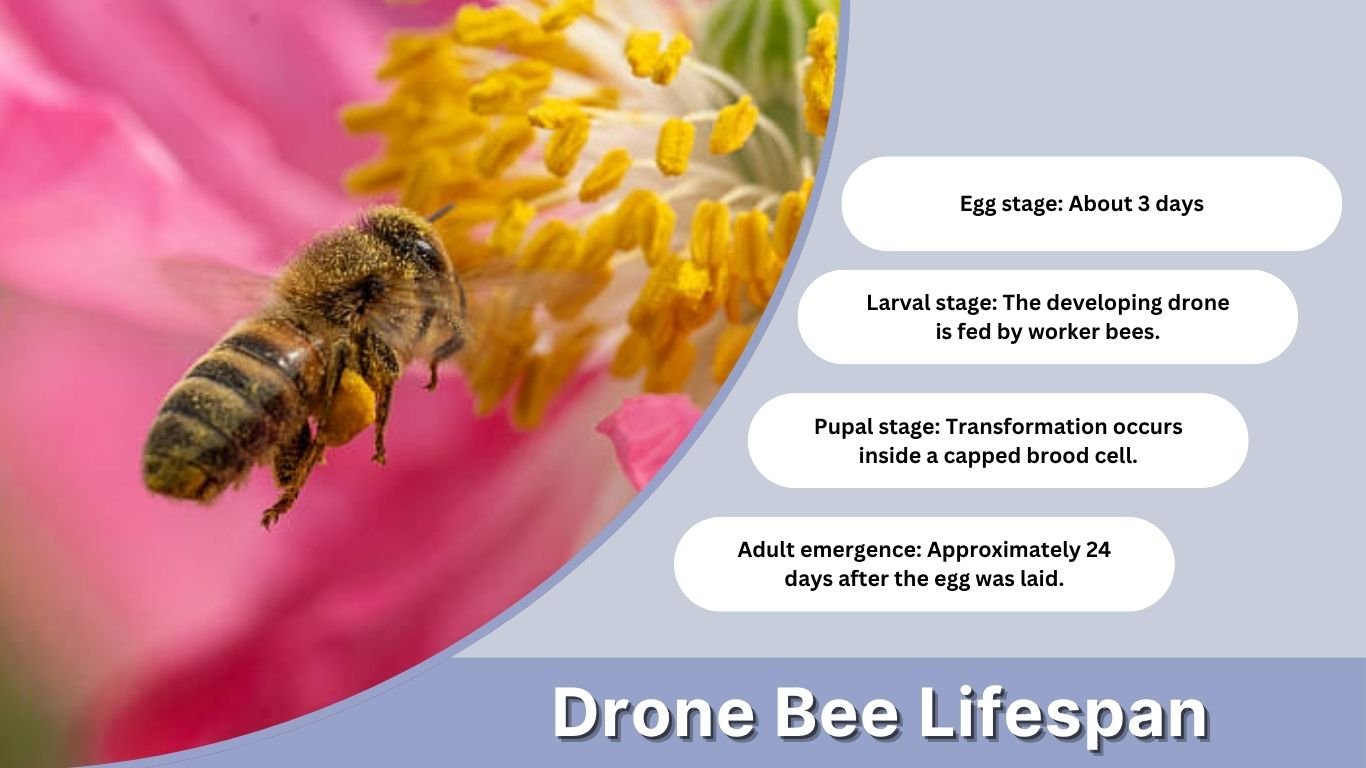
A drone bee typically lives for about one to two months, although its actual lifespan depends heavily on mating success, season, food availability, and colony … Read More
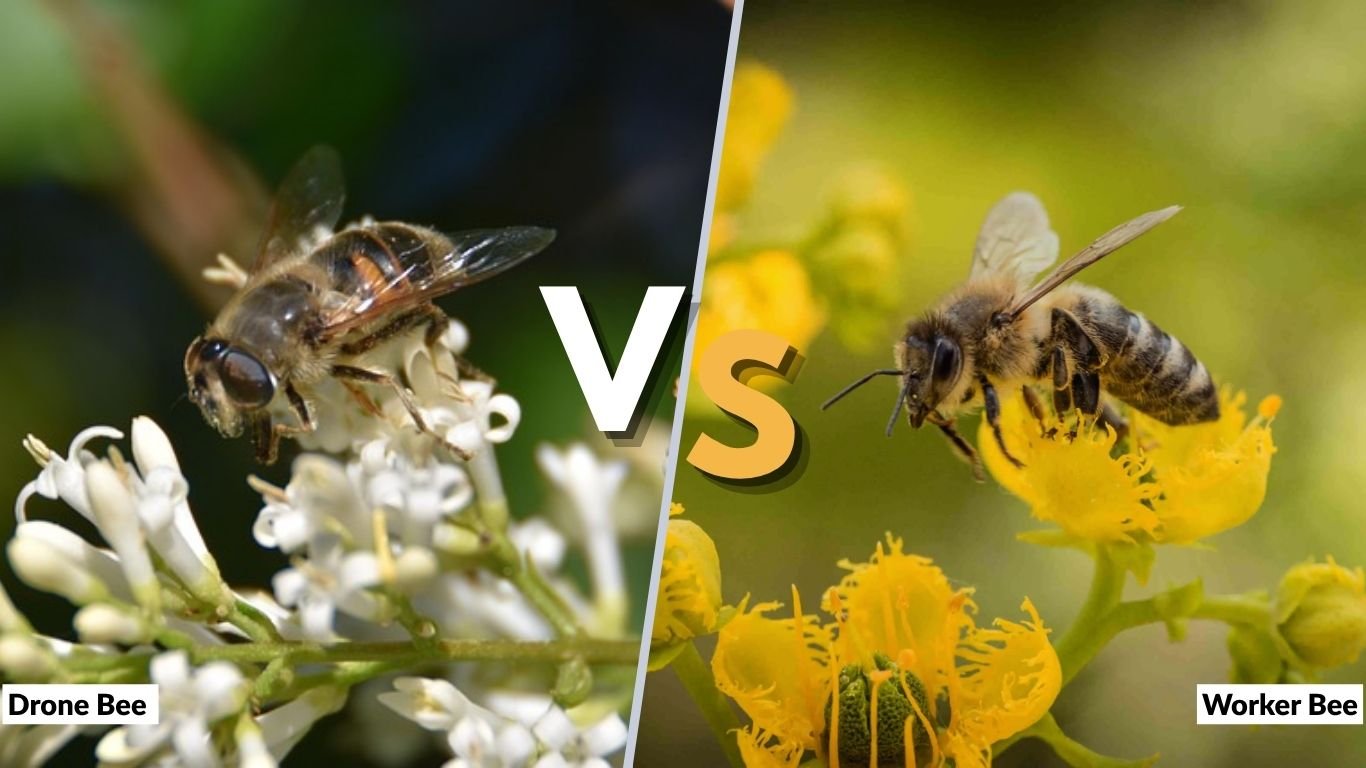
A drone bee and worker bee may live in the same honey bee colony, but they have completely different roles. Drones are male honey bees … Read More
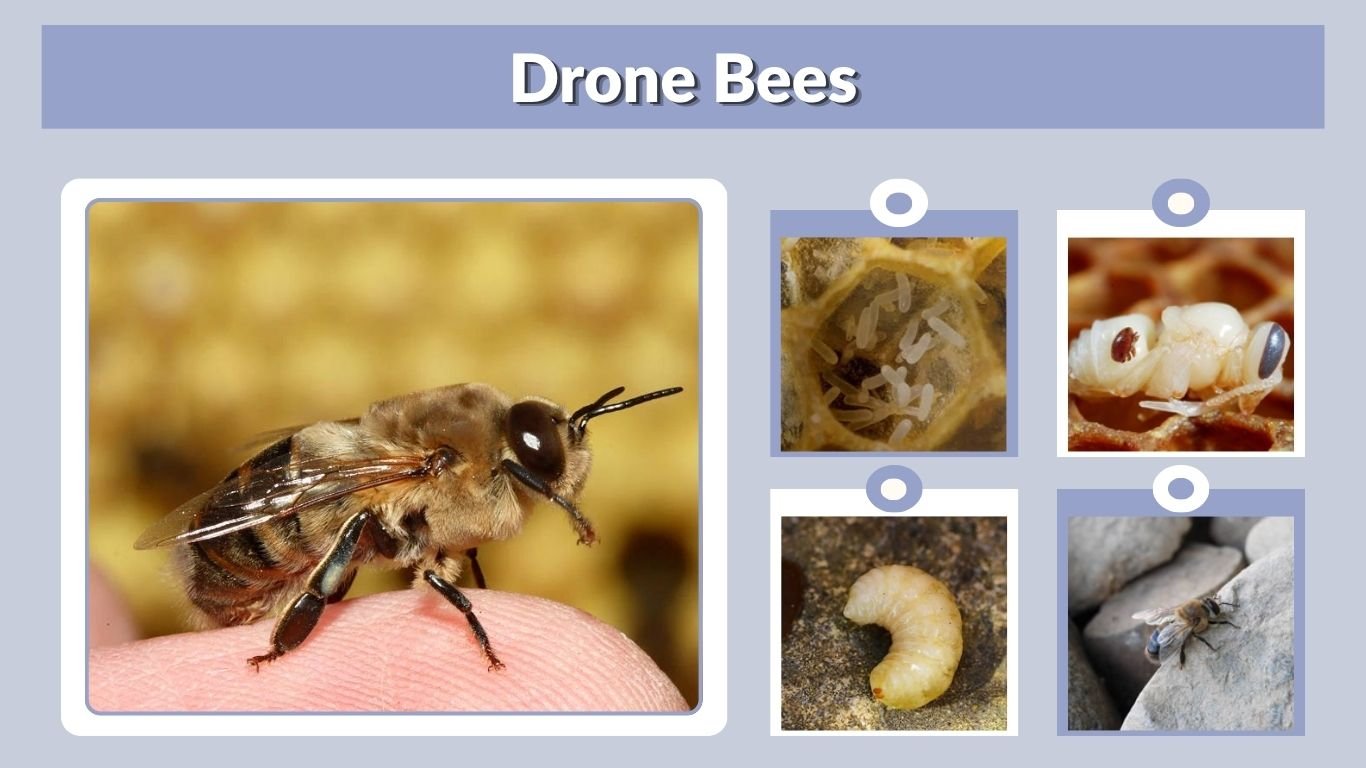
Drone bees are the male members of a honey bee colony. Unlike female workers, drones do not collect pollen, make honey, build comb, or defend … Read More
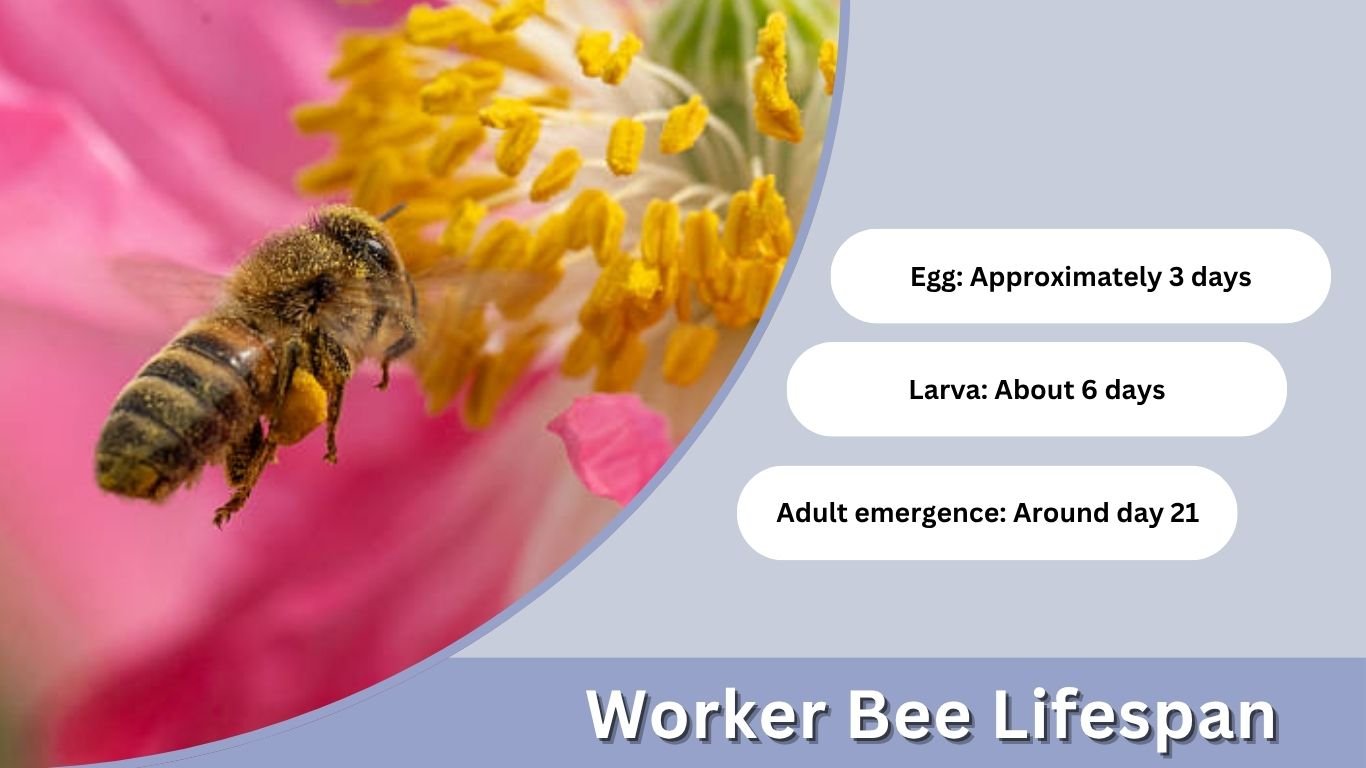
The worker bee lifespan changes dramatically depending on the season and the jobs a bee performs inside and outside the colony. During spring and summer, … Read More

Yes, worker bees can sting. In a honey bee colony, the female workers are actually the bees responsible for most defensive stings around the hive. … Read More