
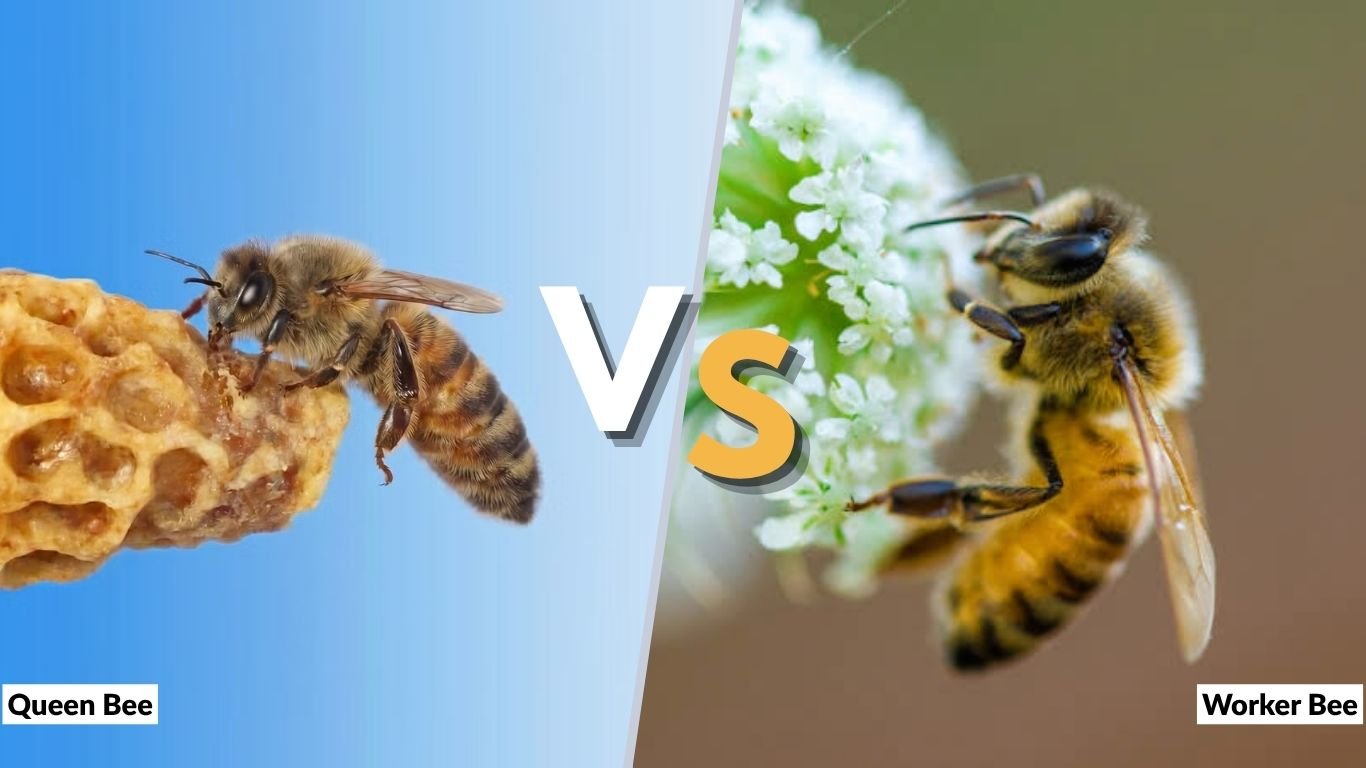
Queen Bee vs Worker Bee: Size, Roles, Lifespan & Key Differences
The main difference between a queen bee and a worker bee is their role in the colony. Both are female, but the queen specializes in … Read More
The main difference between a queen bee and a worker bee is their role in the colony. Both are female, but the queen specializes in … Read More
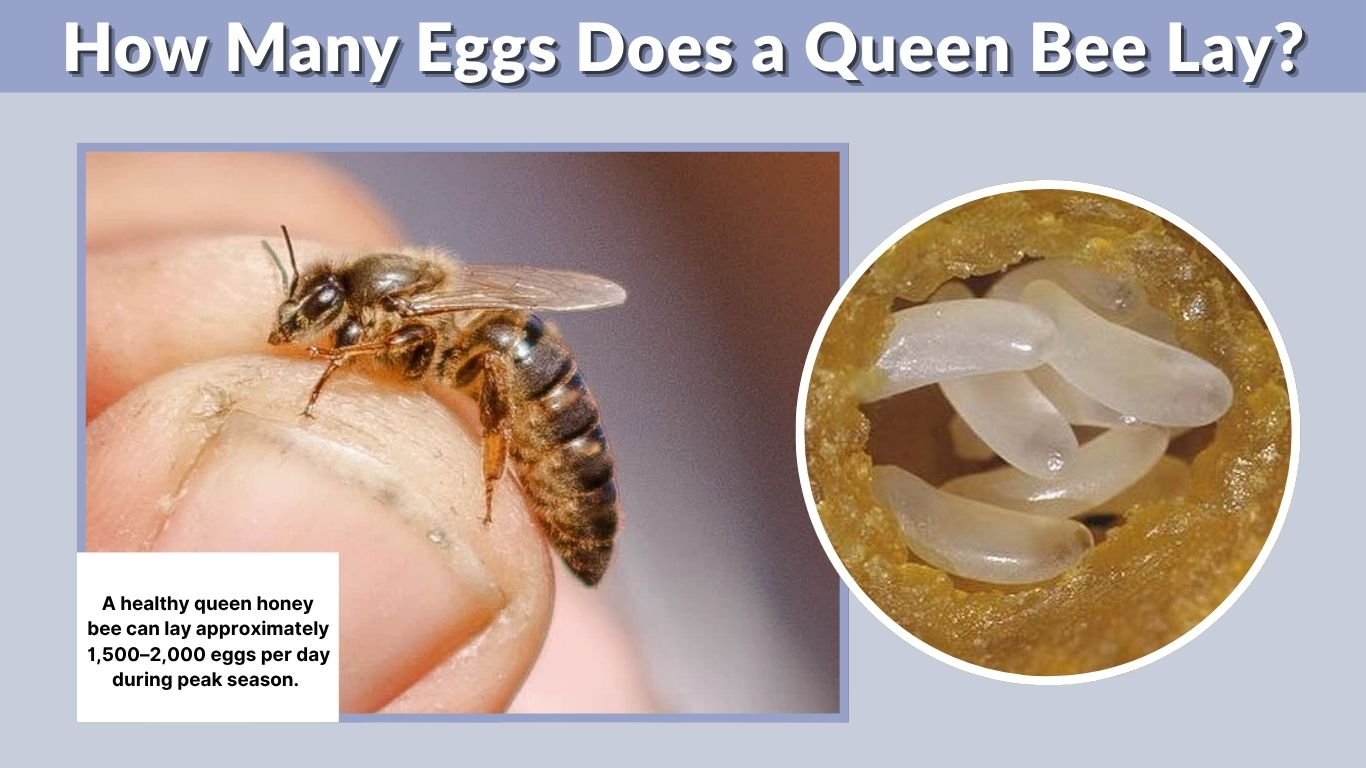
A healthy queen honey bee can lay approximately 1,500–2,000 eggs per day during peak season. Exceptionally productive queens may exceed 2,000 eggs daily, but this … Read More
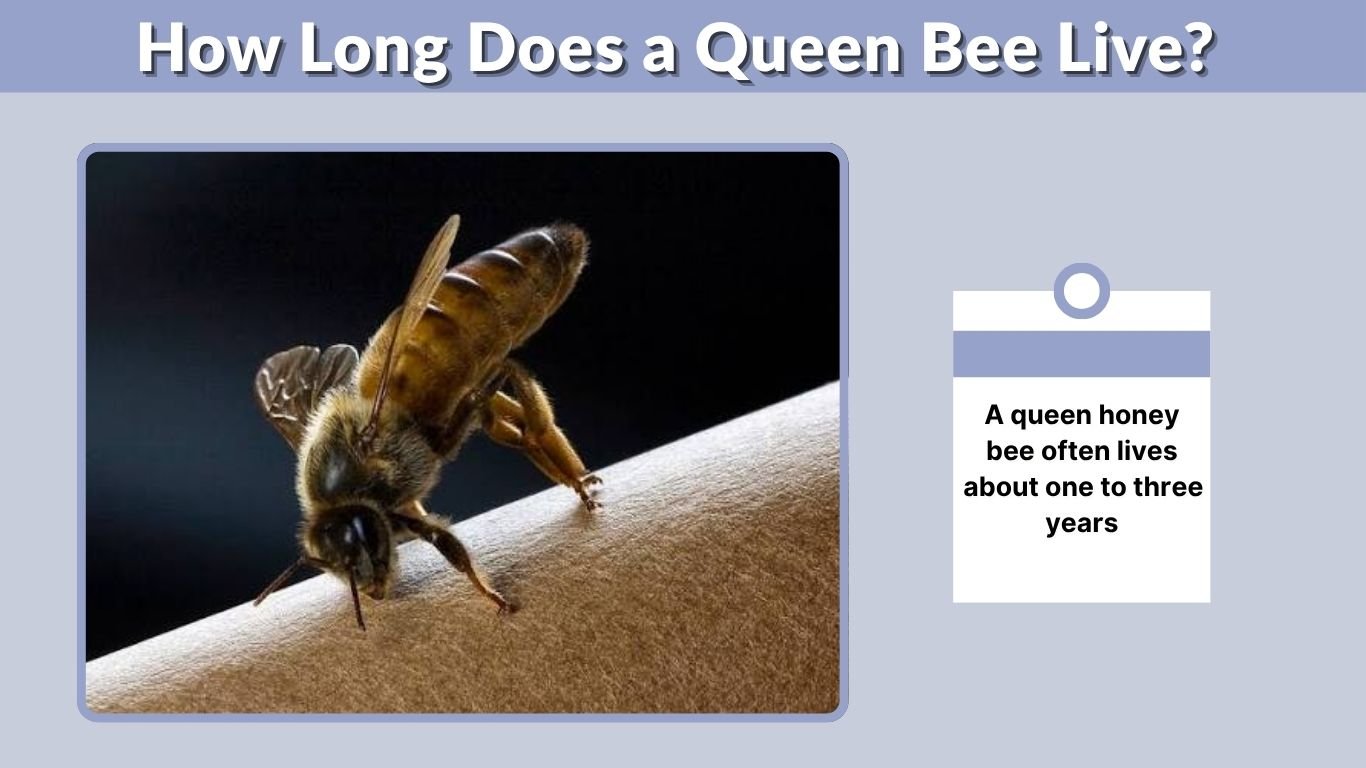
A queen honey bee often lives about one to three years, although some survive five years or longer. Published estimates vary, and a queen’s actual … Read More
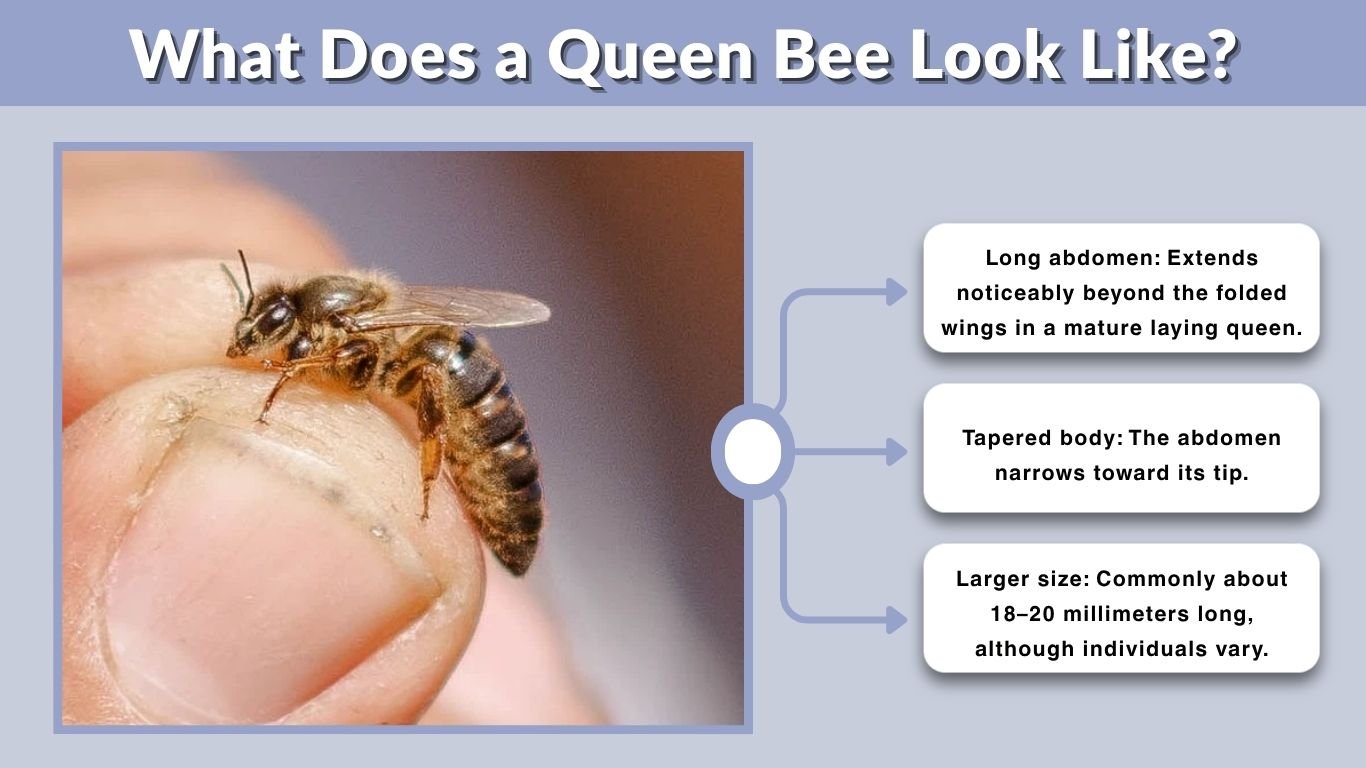
A queen honey bee usually looks longer and more slender than the workers surrounding her. Her most noticeable feature is an elongated abdomen that extends … Read More
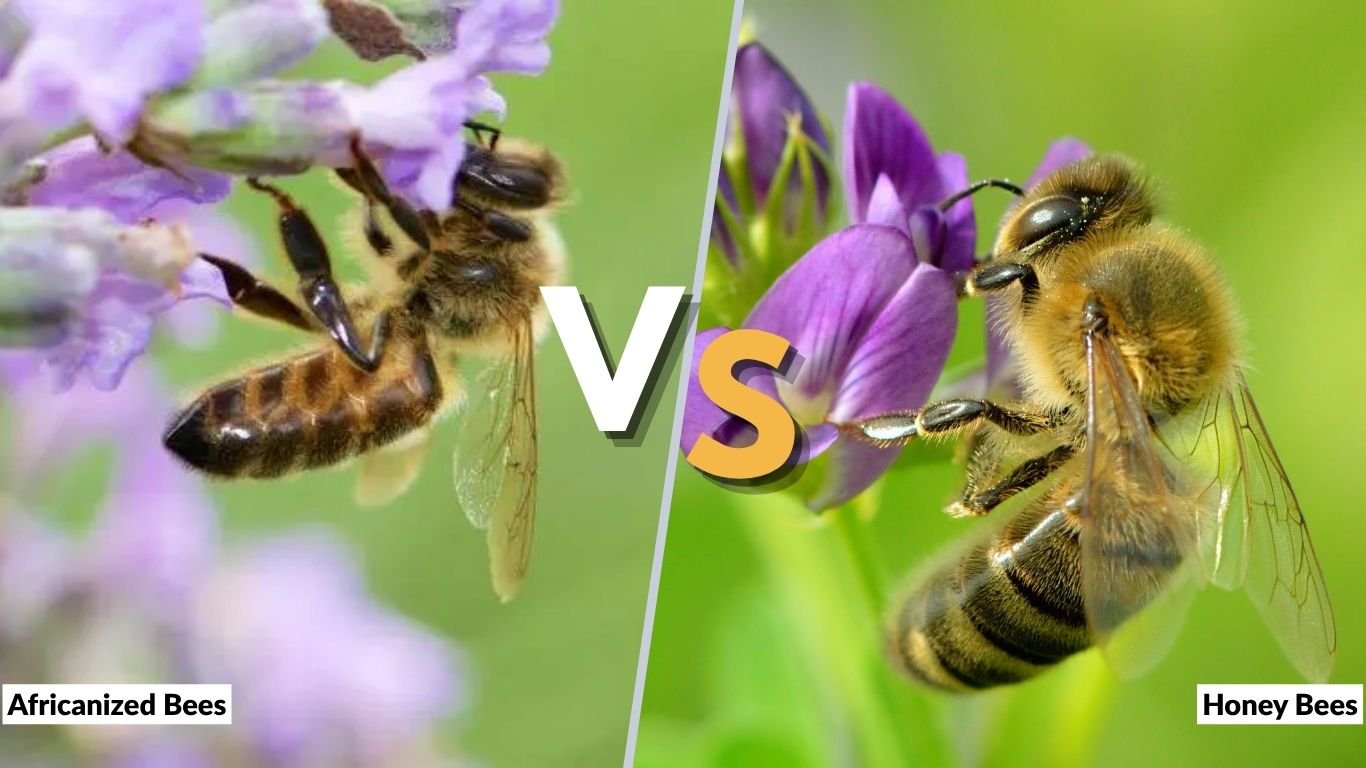
Africanized bees and regular honey bees look almost identical, but their colony behavior can be dramatically different. The comparison is slightly misleading because Africanized bees … Read More
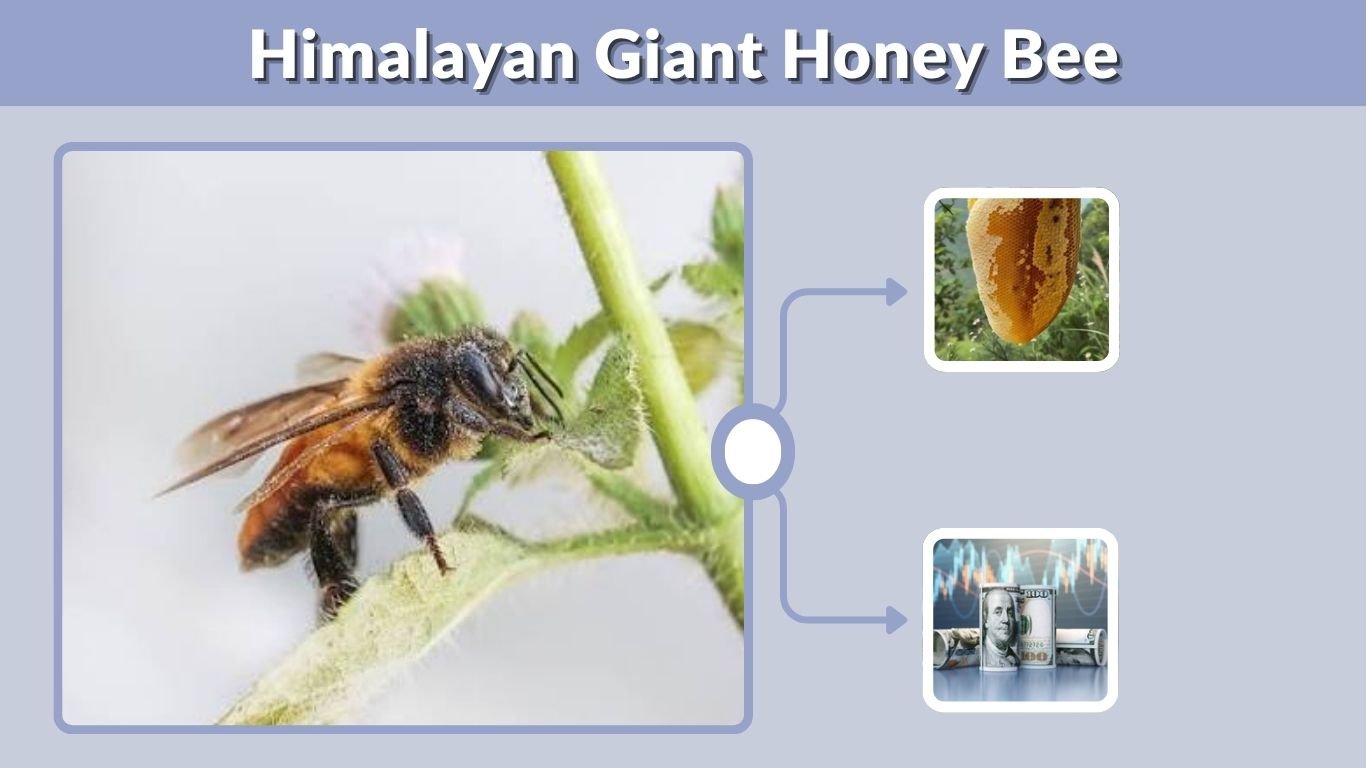
The Himalayan giant honey bee (Apis laboriosa) is the world’s largest living honey bee. This remarkable wild species survives on steep mountain cliffs throughout the … Read More
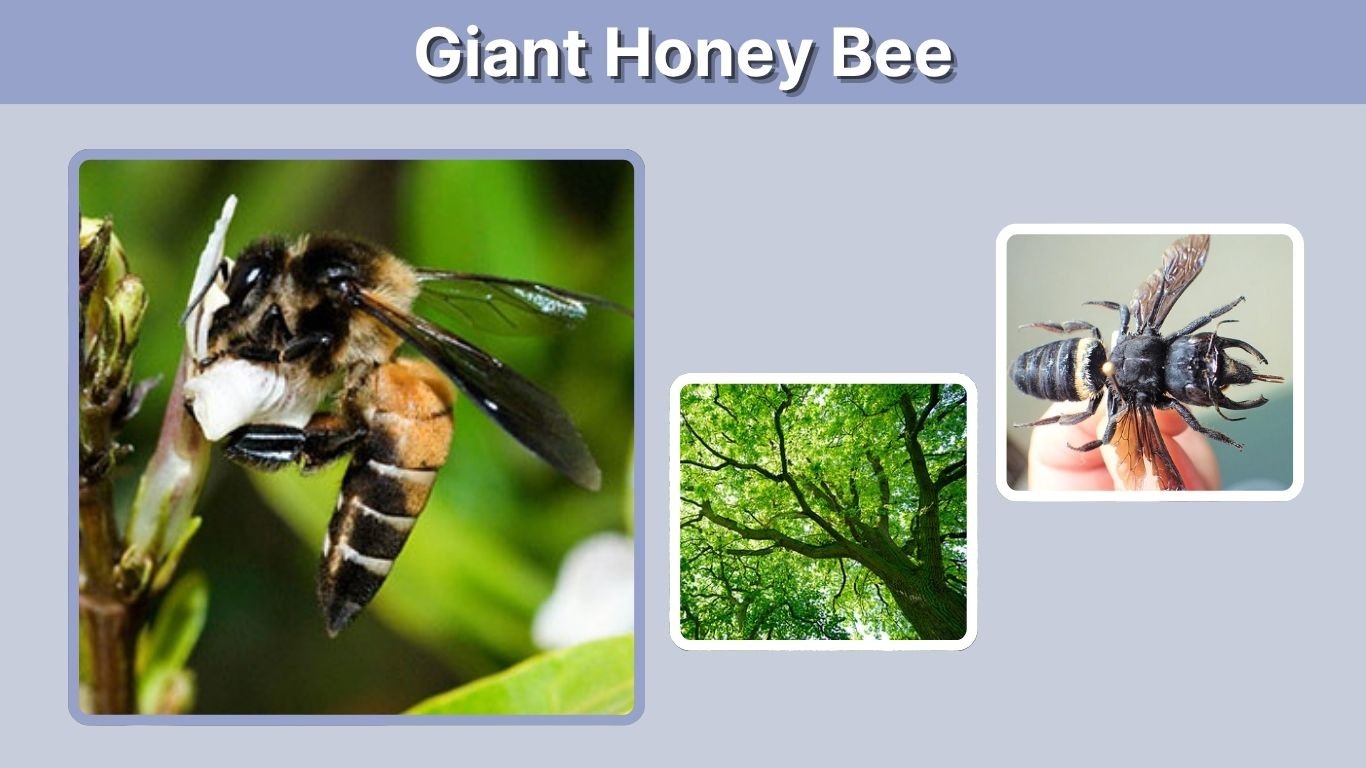
The giant honey bee (Apis dorsata) is one of the world’s largest and most impressive honey-producing bees. Native to South and Southeast Asia, it constructs … Read More
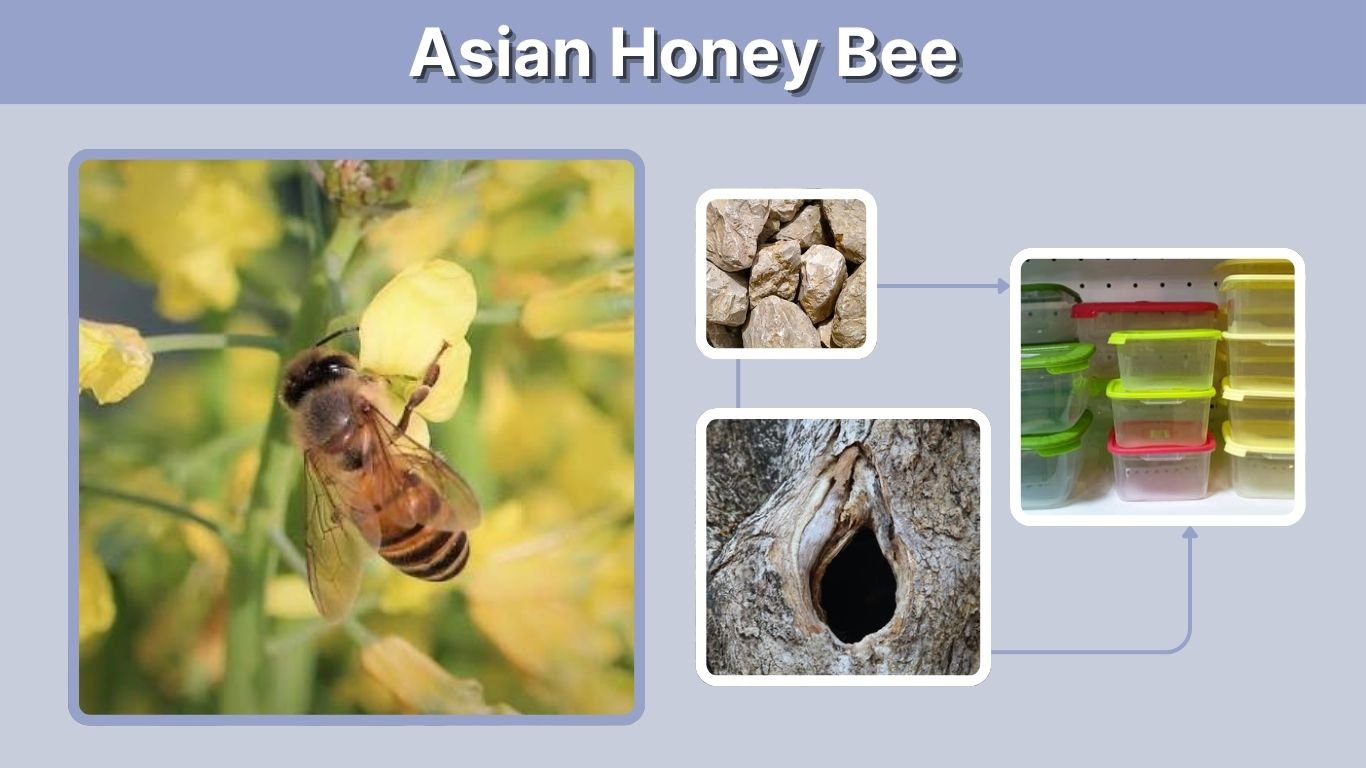
The Asian honey bee (Apis cerana), also called the Eastern honey bee, is a social bee native to much of Asia. It resembles the European … Read More

The tree bumblebee (Bombus hypnorum) is an easily recognized species with a ginger-brown thorax, black abdomen, and bright white tail. Originally associated with continental Europe … Read More

The early bumblebee (Bombus pratorum) is a small, colorful bee commonly found across the United Kingdom and much of Europe. As its name suggests, it … Read More